

Real estate is a continually evolving landscape. Your architectural design serves as the most powerful force in shaping the real estate value. However, it goes beyond aesthetics. It defines how people experience the space and influences how investors perceive worth.
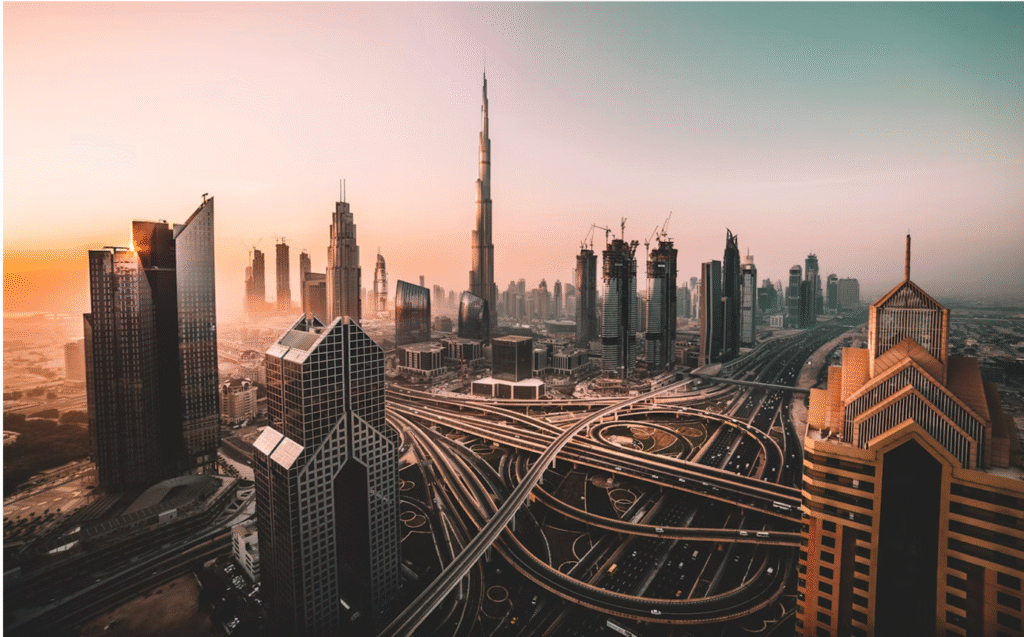
From cultural marvels to modern skyscrapers, it is quite evident how design excellence can transform not just a building, but an entire neighborhood. The Burj Khalifa is probably the prime example. You can see how this iconic landmark has further enhanced the desirability and prices of its surroundings.
Architectural Design as a Value Multiplier
The architectural character of a property largely determines its market positioning. Designs that assimilate art with purpose win attention and thus hold a lasting appeal.
Unique styles redefine real estate pricing trends. They augment their aesthetic appeal and utilitarian value.
Factors that add to the real estate value
- Aesthetic appeal: Unique shapes and elegant facades always attract buyers seeking exclusivity.
- Practical design: Good planning that makes worthy use of space enhances comfort and utility.
- Quality construction: Good and durable materials and finishes go a long way. They add aesthetic depth and longevity.
Buyers today do not just buy a space. They invest in an experience. So, anytime a design complements lifestyle, it enhances the perceived and actual worth of the property.
Functionality and Space Optimization
Both these considerations are quite important. So, all new architectural styles are primarily focused on functionality without compromising on the design.
Urban professionals strongly desire houses with flexibility. Efficient layouts, indoor-outdoor connections, and deliberate space planning are viewed as essential attributes, especially in areas where every square foot carries weight.
Architectural efficiency ensures minimum wastage of space. It also delivers maximum livability. Consequently, there is a high demand amongst both buyers and tenants. This results in a sustained or increased property valuation.
Sustainability and Green Architecture
Sustainability was once only a trend. However, today, it is a true value driver in the real estate sector. New-gen investors are eco-conscious.
They seek properties designed with:
- Recycled materials
- Energy-efficient systems
- Smart environmental solutions
As they support the environment, these properties usually have several government benefits or tax reliefs.
Additionally, green architecture is today synonymous with long-term financial gain. The market has consistently proven that neighborhoods with sustainable properties have:
- Lower vacancy rate
- Higher resale potential
Cultural and Contextual Relevance
An architecture that reflects cultural identity resonates with buyers. The blending of contemporary design with traditional elements creates an emotional appeal for prospective clients. This elevates value and desirability. The iconic Burj Khalifa in Dubai is the prime example of this.
Context-sensitive architecture that harmonizes the environment and local climate also increases intrinsic worth. A home rooted in the setting has a more market appeal than one disconnected from its surroundings.
Iconic Design and the Landmark Effect
Landmark structures have a solid influence on the property prices. These structures:
- Shape skyline
- Attract tourism
- Become symbols of progress
The Burj Khalifa in Dubai is a classic example of this phenomenon. Its presence directly influences the demand and hype around Downtown Dubai. Today, people perceive Downtown as one of the most desirable addresses in the world.
Properties around this landmark command a premium because of their:
- Prestige
- Visibility
- Halo effect that extends to the nearby developments
Global Impact of the Burj Khalifa
The Burj Khalifa is more than just a towering structure. It symbolizes how design ambition can redefine urban economics.
This world-famous destination has completely metamorphosed Dubai’s identity. It amplified surrounding property values exponentially. The project demonstrates how architectural excellence can:
- attract global attention
- drive economic growth
- inspire similar developments across continents
