

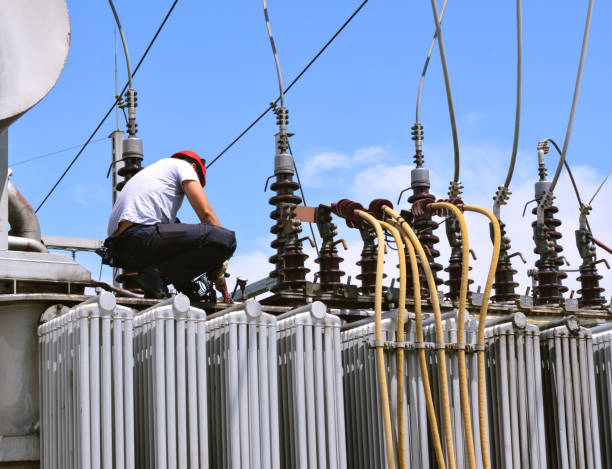
Power transformers are the backbone of electrical power systems. They step voltage up or down to meet generation, transmission, and distribution requirements, enabling efficient power delivery from generation stations to homes and industries. Because of their critical role, power transformer maintenance is not just good practice — it’s essential for safety, reliability, and cost-effective operations. Proper maintenance of transformer equipment protects your investment, reduces downtime, and extends service life.
In this comprehensive guide, we’ll explore why transformer maintenance matters, key maintenance strategies, recommended schedules, and practical tips to ensure your transformers remain dependable throughout their lifecycle.
Why Power Transformer Maintenance Is Critical
Transformers are robust, but not indestructible. They operate under high voltages, large thermal stresses, and varied environmental conditions. Without effective power transformer maintenance, small issues can escalate into catastrophic failures, leading to:
- Unplanned outages and downtime
- Costly repairs or replacements
- Safety hazards for personnel
- Reduced equipment lifespan
- Efficiency and energy losses
A proactive maintenance program helps detect early signs of deterioration, prevents failures, and keeps transformers operating at peak performance. It also enhances system reliability — a core requirement for utilities, industries, and commercial facilities.
Key Components in Transformer Maintenance
1. Visual and Physical Inspection
Regular visual inspections are the first line of defense in the maintenance of transformer assets. Technicians should check for:
- Oil leaks around bushings, gaskets, and radiators
- Rust, corrosion, or physical damage
- Loose or overheated electrical connections
- Broken or missing hardware
- Proper alignment and grounding
These inspections should be documented and compared over time to identify trends or recurring issues.
2. Transformer Oil Monitoring and Testing
Transformer oil plays a crucial role in insulating and cooling the unit. Monitoring the condition of this oil is a cornerstone of power transformer maintenance.
Why Oil Matters
Transformer oil:
- Provides electrical insulation
- Helps dissipate heat
- Protects internal components from moisture and contaminants
Key Oil Tests
Maintenance programs typically include:
- Dielectric Breakdown Voltage (BDV) – indicates insulation strength
- Dissolved Gas Analysis (DGA) – detects gases from overheating, arcing, or partial discharge
- Moisture Content Test – high moisture accelerates paper degradation
- Acidity and Interfacial Tension (IFT) – measures oil degradation
Regular testing helps you identify potential faults before they cause major damage.
3. Electrical Testing and Diagnostic Checks
Routine electrical tests provide deeper insights into a transformer’s internal condition. Common tests include:
Insulation Resistance (IR) Testing
Measures the resistance of windings to ground and phase-to-phase faults. Low resistance may indicate moisture, contamination, or insulation breakdown.
Turns Ratio Test
Verifies the integrity of the transformer windings and detects shorted turns or incorrect ratios that can affect voltage regulation.
Sweep Frequency Response Analysis (SFRA)
A sophisticated test that identifies mechanical displacements in windings due to transportation, fault currents, or thermal stress.
Power Factor & Dissipation Factor Testing
Helps assess insulation condition by measuring energy losses in the system.
By integrating these tests into your maintenance strategy, you can catch electrical issues early and schedule repairs on your terms, rather than reacting to emergencies.
4. Temperature and Cooling System Monitoring
Transformers generate heat during normal operation. Effective cooling is vital for reliability and longevity.
Temperature Monitoring
Use thermocouples, infrared cameras, or built-in sensors to periodically check:
- Top oil temperature
- Winding temperature
- Ambient temperature
Elevated temperatures may signal overloads, blocked radiators, or cooling system problems.
Cooling System Checks
Inspect and maintain:
- Fans and pumps
- Radiators and heat exchangers
- Ventilation openings
Clean and functioning cooling systems prevent heat stress that accelerates insulation aging.
5. Bushing Inspection and Maintenance
Bushings provide insulated connections between internal components and external circuits. Because they operate at high voltage, any contamination or crack can lead to failure.
Inspection Tips
- Look for oil seepage
- Clean insulating surfaces
- Check creepage distances and seals
Regular bushing checks are critical, especially in outdoor installations or polluted environments.
6. Load Management and Preventive Scheduling
Proper load management improves transformer life. A transformer artificially stressed by overloads generates extra heat, which accelerates insulation breakdown.
Preventive Measures
- Analyze load profiles to avoid sustained overload conditions
- Balance loads across phases
- Schedule maintenance during low-demand periods
- Consider load shedding plans during peak stress times
A preventive maintenance schedule ensures inspections and tests are conducted on a predictable timeline, reducing the risk of surprises.
7. Documentation and Trend Analysis
Maintenance isn’t effective unless documented. Keeping accurate records of inspections, test results, repairs, and replacements allows you to:
- Spot trends over time
- Predict failure points
- Make data-driven decisions
- Comply with industry standards and audits
Good documentation transforms reactive maintenance into a proactive reliability strategy.
Maintenance Checklist for Power Transformers
Here’s a practical checklist you can adapt for your site:
Daily/Weekly
✔ Visual inspection for leaks and damage
✔ Temperature and load readings
Monthly
✔ Oil level and breather condition
✔ Cooling system operation
✔ Bushing condition
Quarterly
✔ Transformer oil sampling and basic tests
✔ Insulation resistance test
✔ Check gauges and relief valves
Annually
✔ Comprehensive oil analysis (DGA, BDV, moisture)
✔ Electrical tests (turns ratio, SFRA, power factor)
✔ Cleaning of radiators and cooling equipment
Every 3–5 Years
✔ Major internal inspection (when practical)
✔ Maintenance on fans, pumps, and protective relays
Customizing this checklist according to your environment, transformer size, and operating conditions will help streamline your maintenance of transformer program.
Common Pitfalls to Avoid
While planning your maintenance strategy, avoid these common mistakes:
❌ Ignoring early warning signs
❌ Skipping routine oil testing
❌ Inadequate record-keeping
❌ Delaying corrective maintenance due to cost concerns
❌ Relying on visual inspections alone
A comprehensive program combines visual checks with diagnostic testing and trend analysis.
Benefits of a Structured Maintenance Program
Investing in structured power transformer maintenance delivers tangible benefits:
1. Extended Equipment Life
Mitigating issues early preserves insulation and internal components, prolonging service life.
2. Improved Reliability
Routine checks reduce the frequency of sudden failures, improving system uptime.
3. Enhanced Safety
Identifying issues like oil leaks and overheating reduces fire and electrical hazards.
4. Cost Savings
Predictable maintenance scheduling avoids emergency repairs, reduces unplanned outages, and lowers lifecycle costs.
5. Regulatory Compliance
Documentation supports industry standards and audit requirements, especially in utilities and industrial sectors.
Conclusion: Make Maintenance a Priority
Proper power transformer maintenance is not an optional expense—it’s a strategic investment in reliability, efficiency, and safety. A well-executed maintenance program identifies problems early, supports uninterrupted operations, and increases the service life of your transformer assets.
From regular maintenance of transformer oil to comprehensive electrical testing, each component of your maintenance strategy plays a role in transformer health. With a reliable schedule, detailed documentation, and proactive inspections, you can reduce failures, cut costs, and improve system performance across the board.
Your transformers keep the power flowing — your maintenance plan ensures they keep doing it.
