

Introduction
Many small and medium brands are under pressure to make every advertising dollar count. Budgets are tighter, customer attention is harder to earn, and campaigns that generate views without enquiries are no longer good enough.
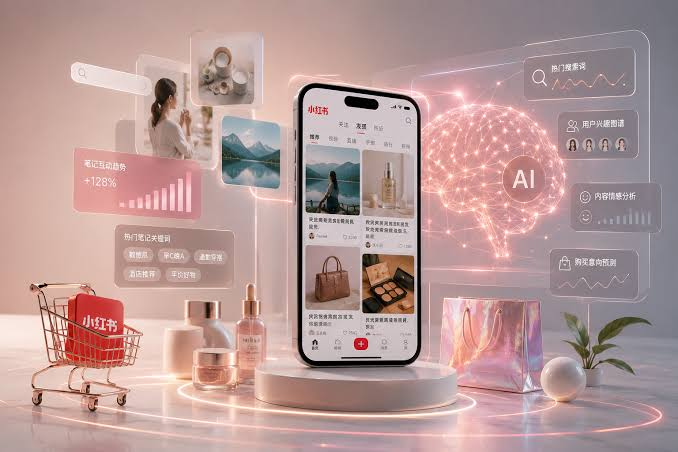
Xiaohongshu ads offer a different opportunity because the platform is not built only around entertainment. Users often open Xiaohongshu to search, compare, save, and decide. They look for restaurant recommendations, beauty reviews, travel ideas, education options, retail products, wellness services, and lifestyle experiences before making a purchase or booking.
For Singapore SMEs, this behaviour matters. Xiaohongshu is widely used by Chinese-speaking consumers, including locals, tourists, students, expats, and regional shoppers. If your business serves this audience, the platform can help you appear while customers are still actively researching.
This guide explains how Xiaohongshu ads work, which formats suit different goals, how to structure campaigns sensibly, and when specialist support from a team such as Advergreen Digital can help make the process more manageable and measurable.
Key Takeaways
- Xiaohongshu combines search, reviews, and social discovery. Users often arrive with specific questions, making the platform useful for brands that want to reach people closer to a decision.
- Authentic content usually performs better than polished advertising. Ads that feel like helpful posts or genuine experiences tend to attract more attention, saves, comments, and enquiries.
- KOLs and KOCs play different roles. KOLs can help introduce a brand to a wider audience, while KOCs often build trust through relatable, peer-style reviews.
- A phased campaign protects smaller budgets. Starting with controlled tests, scaling stronger content, and removing weak ideas helps SMEs avoid overspending too early.
- Clear follow-up matters. Xiaohongshu ads can create interest, but enquiries only become business results when customers receive fast, simple, and helpful responses.
Why Xiaohongshu Ads Matter for Small and Medium Brands
Xiaohongshu, also known as Little Red Book, RED, or RedNote, is a lifestyle discovery platform where users search for real experiences and practical recommendations.
Unlike platforms where users mainly browse for entertainment, Xiaohongshu users often want detailed information. They may search for phrases such as:
- “Best facial in Singapore”
- “Orchard hair salon review”
- “Singapore hotpot recommendation”
- “Sensitive skin skincare experience”
- “Tuition centre for primary school”
- “Wedding photography Singapore”
- “Travel tips for Singapore”
These searches show intent. The user may not be ready to buy immediately, but they are already comparing options and forming preferences.
For SMEs, this creates a valuable opening. A helpful ad does not need to feel like a loud sales pitch. It can appear as a useful note, creator recommendation, product explanation, or experience-based post that helps the customer decide.
That is why Xiaohongshu ads are especially relevant for businesses where trust, visuals, and reviews influence buying decisions.
Which Xiaohongshu Ad Formats Match Your Goals?
Choosing the right ad format is important because not every placement serves the same purpose. Some formats help people discover your brand. Others help you reach users who are already searching for something specific.
For most SMEs, the most practical starting points are feed ads, search ads, and promoted creator-style content.
1. Feed Ads
Feed ads appear within the user’s browsing experience. They can introduce your product, service, location, or customer story in a natural way.
These ads work best when they look and feel like Xiaohongshu content rather than traditional brand advertising. The tone should be helpful, specific, and relatable.
Feed ads are useful for:
- Introducing a new product or service
- Promoting a customer experience
- Sharing a creator review
- Driving profile visits
- Encouraging saves and enquiries
- Building familiarity with a local audience
For example, a beauty clinic could promote a post explaining what first-time customers should know before booking a hydration facial. A café could promote a post showing what to order for two people and when to avoid peak queues.
2. Search Ads
Search ads appear when users look for related topics on Xiaohongshu. This makes them useful for reaching people who already have a need or interest.
For SMEs, search ads can be especially valuable because they connect your business with users who are actively comparing choices.
Search ads are useful for:
- Service bookings
- Local discovery
- Product comparisons
- High-intent categories
- Location-based decisions
- Seasonal or occasion-based searches
A restaurant, salon, tuition centre, wellness studio, travel business, or retail brand can benefit from appearing when users search for relevant experiences in Singapore.
3. Promoted Creator or Customer-Style Content
Some of the strongest Xiaohongshu ads are not brand-first ads. They are posts that feel like real recommendations.
This may include content from KOLs, KOCs, customers, or brand-created notes written in a peer-style format. If a post already receives saves, comments, or enquiries, paid promotion can help more users see it.
This approach works because Xiaohongshu users often trust content that feels practical and experience-based.
4. Awareness Placements
Larger placements, such as high-visibility app entry or brand presence formats, are usually better suited for companies with bigger budgets and broader awareness goals.
They can be useful, but they are not always the best first step for SMEs. Smaller brands often get better learning and lower risk by starting with feed ads, search ads, and promoted notes.
How to Build a Xiaohongshu Ad Campaign That Converts
A successful Xiaohongshu campaign is not only about choosing an ad format. It depends on how well the content matches user intent.
The best campaigns usually follow a simple principle: make the ad feel useful before asking for action.
Phase 1: Define the Customer’s Decision Point
Before creating any ad, identify what the customer needs to know before buying, booking, or visiting.
Ask:
- What problem is the customer trying to solve?
- What concerns might stop them from acting?
- What proof would make them feel more confident?
- What details do they usually ask before making a decision?
- What makes the offer suitable for a specific audience?
For example, a wellness clinic should not only promote a treatment. It should explain who the treatment is suitable for, what the experience feels like, and what customers should expect before and after the appointment.
A restaurant should not only show attractive dishes. It should help users decide what to order, how much to budget, and whether the place suits dates, families, groups, or tourists.
Phase 2: Create Content That Feels Native
Xiaohongshu users respond to content that feels close to everyday experience.
Strong ad content often includes:
- Real photos or short videos
- Clear titles
- Practical details
- Honest explanations
- Personal-style observations
- Before-and-after examples where relevant
- Price or package context
- Location information
- Simple next steps
The tone should feel like a helpful recommendation, not a corporate brochure.
Instead of saying:
“We provide premium services for discerning customers.”
A better Xiaohongshu-style angle would be:
“What to know before booking your first sensitive-skin facial in Orchard.”
The second version works better because it starts with the customer’s concern.
Phase 3: Test Several Angles First
SMEs should avoid spending heavily on one untested idea.
A safer approach is to test several content angles with a controlled budget. For example:
- A first-time customer guide
- A before-and-after post
- A creator review
- A comparison note
- A price explanation
- A “mistakes to avoid” post
- A location-based recommendation
After testing, review which posts attract meaningful interest. This may include saves, comments, direct messages, profile visits, booking enquiries, or customer questions.
Phase 4: Support the Strongest Content
Once a few posts show promise, shift more budget toward the stronger performers.
This helps avoid wasting spend on content that users do not find useful. It also allows SMEs to build momentum around messages that are already working.
The goal is not to run more ads for the sake of activity. The goal is to put budget behind content that moves users closer to a decision.
Phase 5: Keep Improving the Campaign
Xiaohongshu campaigns should be reviewed regularly. Weak content should be paused or revised, while stronger content should be refreshed and extended.
Useful questions to ask include:
- Which posts are users saving?
- Which topics generate comments?
- Which creator content feels most believable?
- Which ads lead to real enquiries?
- Which audience groups respond best?
- Where do users drop off before taking action?
This process helps brands improve steadily instead of relying on guesswork.
Why Authentic Creative Outperforms Hard-Sell Ads
Xiaohongshu users are sensitive to content that feels too promotional. They want to feel informed, not pressured.
That is why authentic creative often performs better than highly polished brand campaigns.
Effective Xiaohongshu ads usually feel:
- Specific
- Helpful
- Honest
- Visual
- Experience-based
- Easy to save
- Easy to share
For example, a fashion brand could show how an outfit looks in real Singapore weather, how sizing works, and which body types it suits. A skincare brand could explain how a product fits into a routine for oily or sensitive skin. An education centre could show what parents should expect during a trial class.
The more useful the content is, the more likely users are to engage with it.
The Role of KOLs and KOCs
Creator partnerships are a major part of Xiaohongshu because users trust personal experiences.
However, SMEs should understand the difference between KOLs and KOCs before spending.
What Is a KOL?
A KOL, or Key Opinion Leader, is a creator with a larger audience and stronger visibility. KOLs are useful when a brand wants broader awareness or wants to introduce a product to more people quickly.
What Is a KOC?
A KOC, or Key Opinion Consumer, is usually a smaller creator whose content feels more like a real customer review. KOCs often have closer relationships with their audiences and can be effective for building trust.
For many SMEs, KOCs are a practical starting point because they are often more relatable and more suitable for niche campaigns.
How to Choose the Right Creator
Do not choose creators based only on follower count.
Look at:
- Audience relevance
- Content style
- Comment quality
- Past review credibility
- Category fit
- Location relevance
- Ability to explain details clearly
- Whether the tone matches your brand
A smaller creator with the right audience and a trustworthy voice can be more useful than a larger creator with weak relevance.
Budgeting for Xiaohongshu Ads Without Overspending
Small and medium brands should treat Xiaohongshu advertising as a phased process.
Start Small
Begin with a manageable test budget. The goal is to learn which content angles, creator styles, and audience groups respond best.
Scale What Works
Once stronger content is identified, increase support gradually. Avoid scaling too quickly before there is enough evidence of customer interest.
Cut Weak Content Early
If a post receives attention but no meaningful engagement or enquiries, review it carefully. The issue may be the hook, visuals, offer, language, or audience fit.
Keep the Customer Journey Simple
Budget is wasted if interested users do not know what to do next.
Make sure the next step is clear, whether that is:
- Sending a message
- Booking a consultation
- Visiting a store
- Asking for a menu
- Checking availability
- Reserving a slot
- Moving to WhatsApp for follow-up
Fast and helpful responses can make a major difference to campaign outcomes.
When Specialist Support Becomes Useful
Some SMEs can manage Xiaohongshu ads internally, especially if they have Mandarin content skills, platform familiarity, and time to coordinate creators.
However, many businesses struggle with the learning curve. Xiaohongshu requires understanding of user culture, native content style, creator selection, paid placement setup, and follow-up tracking.
This is where support from a specialist team can be useful.
Advergreen Digital works with Singapore SMEs that want a more structured approach to Xiaohongshu advertising. In this context, the value is not simply running ads. It is helping businesses plan platform-native content, coordinate suitable creators, manage paid promotion, and connect interested users to practical follow-up steps.
For SMEs with limited time or internal resources, this kind of support can reduce trial and error while keeping attention on measurable business outcomes.
Common Mistakes to Avoid
Mistake 1: Making Ads Look Too Corporate
Xiaohongshu users often prefer posts that feel natural and experience-based. Overly polished creative may be ignored if it does not feel useful.
Mistake 2: Choosing Creators Only by Follower Count
Audience fit and trust matter more than size alone. A smaller creator with a relevant audience may drive better enquiries than a larger but less focused creator.
Mistake 3: Promoting Weak Content Too Early
Paid promotion should support content that already has signs of relevance. If the message is unclear, more budget will not fix it.
Mistake 4: Ignoring Local Details
For Singapore businesses, local context matters. Neighbourhoods, price expectations, booking process, language support, transport convenience, and customer concerns should be addressed clearly.
Mistake 5: Focusing Only on Views
Views are not enough. SMEs should also monitor saves, comments, direct enquiries, bookings, store visits, and customer conversations.
The Bottom Line
Xiaohongshu ads can help small and medium brands reach users who are actively searching, comparing, and deciding.
The platform is especially useful for businesses where trust and experience influence the buying decision. This includes food and beverage, beauty, wellness, education, retail, travel, events, and lifestyle services.
The strongest campaigns usually follow a clear pattern:
- Start with useful, native content
- Match ad formats to customer intent
- Use KOLs and KOCs thoughtfully
- Test before scaling
- Support content that already shows promise
- Make follow-up simple and fast
Xiaohongshu is not a shortcut for weak messaging. But when the content is helpful, the audience is relevant, and the campaign is managed carefully, it can become a valuable channel for SME growth.
Frequently Asked Questions
How much do Xiaohongshu ads cost for a small business?
Costs vary depending on ad format, audience size, creator involvement, content production, and campaign duration. Many small businesses begin with a modest test budget before scaling stronger content.
The most practical approach is to start small, review early signals, and increase spend only when the campaign shows meaningful interest.
Are Xiaohongshu ads useful for Singapore businesses?
Yes, especially for businesses targeting Chinese-speaking customers in Singapore or regional audiences who use Xiaohongshu for research and recommendations.
Restaurants, salons, clinics, tuition centres, travel businesses, retail brands, and lifestyle services can all benefit when their content is localised and useful.
Do Xiaohongshu ads need to be in Chinese?
Chinese content is strongly recommended because many users search and engage in Chinese. Bilingual content can also work well in Singapore, especially when it feels natural and easy to understand.
The key is localisation, not direct translation.
What is the difference between KOLs and KOCs?
KOLs are larger creators who help increase visibility. KOCs are smaller creators whose content often feels more like a trusted customer recommendation.
For SMEs, KOCs can be especially useful because they usually feel relatable and credible to niche audiences.
How long does it take to see results from Xiaohongshu ads?
Early signs such as saves, comments, profile visits, and enquiries may appear within the first few weeks. More reliable patterns usually require consistent testing and review over a longer period.
Results depend on the offer, content quality, audience fit, creator selection, and follow-up process.
Do Xiaohongshu ads work for service-based businesses?
Yes. Service-based businesses can perform well because many users search for reviews and experiences before booking.
Education centres, wellness clinics, beauty salons, travel planners, photographers, event providers, and professional services can use Xiaohongshu to explain their value and build trust before the customer enquires.
When should an SME work with a specialist?
An SME should consider specialist support when it lacks Mandarin content capability, creator management experience, platform knowledge, or time to manage campaigns consistently.
A partner such as Advergreen Digital can help structure the process, but the business should still remain clear on its goals, customer journey, and follow-up responsibilities.
