

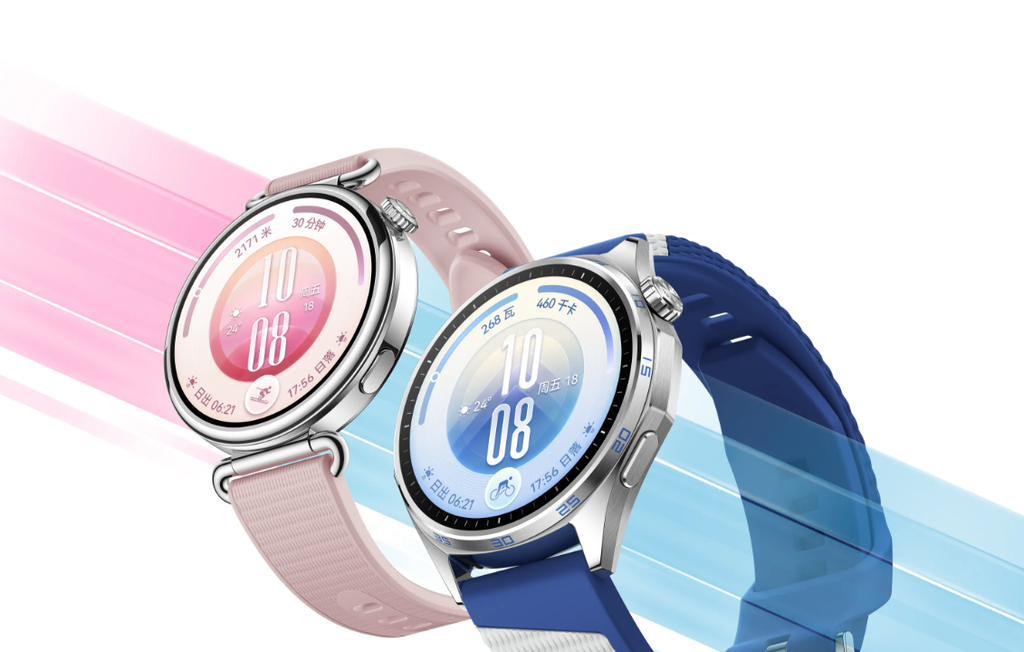
A great day on the slopes has always been about feel — the edge angle in a carved turn, the rhythm of a traverse, the burn in the legs by mid-afternoon. What modern wearable technology adds to that picture is understanding. The latest generation of outdoor smartwatches turns a full day of skiing into clear, readable data, helping skiers of every level see what their bodies are actually doing from first lift to last run. Among this new class of devices, the Watch GT 7 stands out with a dedicated skiing mode, serious battery endurance, and a design built to move seamlessly from the piste to the lodge.
For skiers who have outgrown guesswork, that combination matters. A watch that dies by lunchtime, loses GPS signal among the peaks, or offers nothing more than a step counter adds little value in a mountain environment. The bar for a genuine ski companion is considerably higher, and it is exactly that bar this watch was designed to clear.
A Skiing Mode Built for Real Mountains
The all-new skiing mode is the headline feature for winter sports, and it shows in the depth of the data captured. Rather than simply recording that a workout happened, the watch tracks the metrics that define a ski day: descent distance, vertical drop, speed across each run, slope gradients, and heart rate behaviour through the effort and recovery cycles that skiing naturally creates. Lift rides, stops, and descents form a complete picture of the day rather than an undifferentiated block of exercise.
That detail serves skiers at both ends of the ability spectrum. Intermediates working on consistency can compare run after run to see whether speed and control are improving together. More advanced skiers chasing bigger vertical or faster groomers get precise numbers to benchmark against. Because skiing is as much about managing exertion as producing it, continuous heart rate monitoring through the cold adds a layer of safety awareness that a phone in a pocket simply cannot provide.
Altitude and cold are notoriously hard on electronics, yet mountain days demand reliability. Accurate positioning through valleys and ridgelines keeps route data clean, while a display tuned for outdoor visibility stays legible in flat light and bright alpine sun alike — the two conditions that define most days on snow.
Twenty-One Days of Battery: The Feature That Changes Everything
Ask regular skiers what frustrates them most about smartwatches and the answer is rarely about features. It is about charging. A watch that needs nightly attention becomes one more cable in the luggage, one more thing to remember in a chalet with too few outlets, one more reason to leave the device behind entirely.
With up to 21 days of battery life under typical use, the equation flips completely. A week-long ski trip — travel days, six full days on the mountain, evenings out — fits comfortably inside a single charge with room to spare. There is no rationing of GPS tracking, no switching off features to survive the afternoon, no anxiety watching a percentage tick down at 2,500 metres. The watch simply works, day after day, the way outdoor equipment is supposed to.
This endurance also changes how the health features get used. Sleep tracking only delivers useful insight when the watch stays on the wrist overnight, and recovery metrics only make sense with continuous data. Long battery life is not just convenience; it is what makes the rest of the feature set genuinely complete.
Beyond the Slopes: Skiing Data Meets Everyday Training
Ski fitness is built in the months before the season, and this is where the watch’s broader toolkit earns its place. More than 110 workout modes cover the off-season preparation skiers actually do: running for aerobic base, cycling for leg strength and endurance, strength sessions, and pool work. The all-new cycling mode deserves particular mention — its detailed ride metrics make it a natural cross-training partner for anyone building towards winter.
Tying the training picture together is the Physical Readiness Score, a daily indicator of how prepared the body is for exertion. Rather than guessing whether yesterday’s hard session has been absorbed, the score translates sleep quality, recovery, and recent load into a single readable number. On a big mountain day it answers the most practical question in sport: is today a day to push, or a day to cruise?
Heart rate, blood oxygen, stress, and sleep tracking round out the health suite, running quietly in the background and surfacing trends through the companion app. The result is a watch that treats skiing not as an isolated hobby but as part of a year-round athletic life.
Designed for the Cold, Styled for Everything After
Hardware details matter more in winter than in any other season. The EasyCross quick-release strap system allows the band to be swapped in seconds — a small touch that proves surprisingly valuable when moving from a moisture-wicking sport strap on the slopes to a smarter look for dinner in the village. No tools, no fiddling with pins with cold fingers; the mechanism clicks and releases exactly as its name suggests.
The watch face remains readable through gloves-on glances, the case shrugs off the knocks and scrapes of lift queues and gear rooms, and water resistance handles everything from heavy snowfall to the occasional hot tub. It is equipment designed by people who clearly understand what a mountain day involves.
For skiers weighing up their next piece of kit, the calculus is straightforward. A dedicated skiing mode, professional-grade cycling and running support, daily readiness insight, and a battery measured in weeks rather than hours — wrapped in a design that looks at home far beyond the snow. The full specifications and current availability are listed on the official product page, and for anyone whose calendar already has winter circled, this is a watch that earns its place on the wrist long before the first snowfall.
