

A can of energy drink and a gummy jar can promise the same thing, alertness without the jitters, but they rarely deliver it the same way. Gummies trade the harsh carbonation and crash of traditional energy drinks for a chewable format, though that convenience comes with real trade-offs in dosing. Some formulas genuinely support sustained energy. Others are mostly sugar with a small stimulant kick and a confident label.
Knowing which ingredients in daily energy gummies actually move the needle makes the difference between a product that helps you through an afternoon slump and one that just tastes good. The category has grown fast enough that shelf space is now dominated by branding rather than formulation, which makes reading past the packaging worth the extra few minutes.
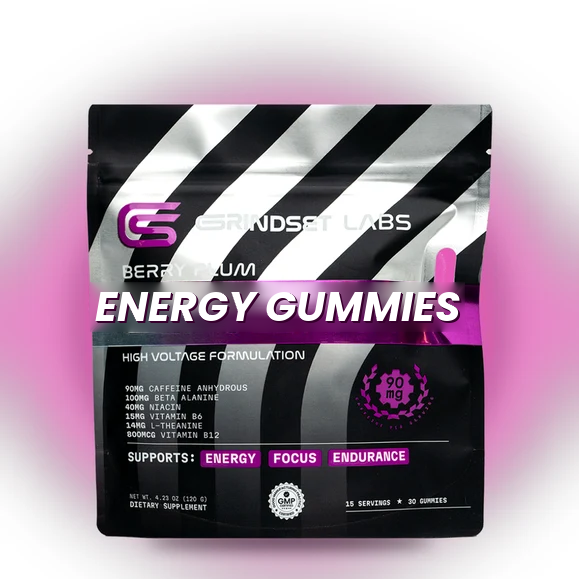
Caffeine, But at a Sensible Dose
Caffeine remains the most reliable ingredient for alertness, working by blocking adenosine receptors that signal fatigue to the brain. In gummy form, the dose tends to run lower than a cup of coffee, typically 40 to 75 mg per serving compared to roughly 95 mg in a standard cup. That’s intentional. A daily gummy meant for regular use benefits from a moderate dose that won’t spike heart rate or interfere with sleep if taken later in the day.
The label matters here more than the ingredient itself. A gummy listing “caffeine anhydrous” with a specific milligram amount lets you calculate your total daily intake accurately. One that just says “energy blend” leaves you guessing, which becomes a problem if you’re also drinking coffee or tea and trying to stay under a reasonable daily ceiling, generally accepted as 400 mg for most healthy adults.
Tolerance also plays a role that labels can’t account for. Someone who drinks two cups of coffee every morning will barely notice a 50 mg gummy, while someone who rarely consumes caffeine might feel a stronger effect from that same dose. Starting with a single gummy and waiting to gauge the response before adding a second is a more reliable approach than assuming the labeled serving size applies evenly to everyone.
B Vitamins for Cellular Energy Production
B vitamins, particularly B6, B12, and folate, play a role in converting food into usable energy at the cellular level. They don’t provide a noticeable jolt the way caffeine does, but a deficiency in these vitamins is linked to fatigue and low energy. For most people eating a varied diet, additional B vitamins in a gummy won’t create energy that wasn’t already available, but for anyone with a marginal deficiency, particularly B12, supplementation can measurably improve energy levels.
Gummies typically include these at doses well above the recommended daily intake, which is generally harmless since B vitamins are water-soluble and excess amounts are excreted rather than stored. People following a plant-based diet are more likely to run low on B12 specifically, since it occurs naturally almost exclusively in animal products, which makes this ingredient more relevant for some users than others.
L-Theanine to Balance the Stimulant Effect
Pairing caffeine with L-theanine, an amino acid naturally found in tea leaves, has research behind it for producing calmer, more focused alertness compared to caffeine alone. It reduces the jittery edge that pure stimulants can cause without blunting the energizing effect. For a gummy meant for daily use rather than pre-workout intensity, this pairing matters more than in a product designed for a single high-output session.
A useful ratio to look for is roughly equal parts caffeine and L-theanine, or slightly more theanine, since that balance shows up most often in research on the combination. Formulas that include caffeine without any theanine or similar calming compound tend to produce a sharper, shorter energy curve followed by a more noticeable drop, which defeats the purpose of a gummy marketed for steady, all-day use.
Ginseng and Adaptogenic Herbs
Panax ginseng and Rhodiola rosea appear frequently in energy formulas marketed around sustained, non-jittery energy. The research on these is mixed but leans positive for reducing perceived fatigue, particularly under stress or after mentally demanding tasks. The effect is generally modest and takes consistent use over days or weeks to show up, unlike caffeine’s immediate effect.
The dosing on herbal extracts is harder to standardize than caffeine, since potency depends on extraction method and the percentage of active compounds (ginsenosides in ginseng, rosavins in Rhodiola). A label that specifies a standardized extract percentage is more trustworthy than one listing a raw herb weight with no potency information. Ashwagandha shows up in some daily formulas as well, though its research base leans more toward stress reduction and sleep quality than direct energy production, so its inclusion in an energy gummy is more about supporting the nervous system than providing a stimulant effect.
Sugar Content Deserves Real Scrutiny
Gummies need some form of sugar or sugar alcohol to hold shape and texture, and a serving can carry 3 to 8 grams of added sugar. For an occasional pick-me-up, that’s a minor consideration. For a product marketed as a daily habit, it adds up over weeks, especially stacked against other sugar sources in a typical diet.
Some brands substitute sugar with alternative sweeteners to cut this down, which is worth checking if daily use is the plan. A gummy with 2 grams of sugar per serving fits into a daily routine more comfortably than one with 8 grams, particularly if it’s being taken once or twice a day. Sugar alcohols like erythritol or allulose show up in lower-sugar formulas, and while they generally don’t spike blood sugar the way regular sugar does, some people notice mild digestive discomfort when consuming them in larger quantities across multiple gummies.
What to Skip
Proprietary blends remain the biggest issue across the energy supplement category generally. A label listing “Energy Complex 200mg” without breaking down how much of that is caffeine versus herbal filler makes it impossible to judge whether the formula is dosed for effect or dosed for the ingredient list to look longer.
Artificial dyes add nothing functional and are worth avoiding if there’s a natural-colored alternative with the same active ingredients. Excessive stimulant stacking, meaning multiple sources of caffeine (green tea extract, guarana, and caffeine anhydrous combined) can hide a total stimulant dose that’s much higher than the label suggests at first glance, since guarana and green tea extract both contain caffeine on top of the caffeine anhydrous already listed. Reading the full supplement facts panel rather than just the front label front-of-pack claims is the only reliable way to catch this.
Timing for Daily Use
Unlike a pre-workout formula meant for a specific window before training, a daily energy gummy works better spread appropriately across the day. Taking one in the morning and, if needed, a second in the early afternoon avoids the sleep disruption that comes with caffeine intake too close to bedtime. Caffeine has a half-life of roughly 5 hours, so a gummy taken at 4 PM can still have meaningful levels in your system by 9 PM, which matters for anyone sensitive to caffeine’s effect on sleep quality.
Consistency also affects how a gummy feels over time. Taking one sporadically means each dose feels like a noticeable jolt, while daily use at a steady dose tends to produce a more even, predictable effect as the body adjusts to a regular caffeine intake pattern.
Reading the Label Before Committing to a Daily Habit
A daily energy gummy worth taking regularly lists exact doses for caffeine, keeps added sugar low, pairs stimulants with L-theanine for a smoother effect, and avoids stacking multiple hidden caffeine sources under different names. Checking these details against the label takes a minute, and it separates a formula built to support consistent energy from one that’s mostly sugar with a caffeine footnote.
Building a daily habit around any supplement means the dosing needs to hold up to repeated use, not just a single serving. Ingredients that work in small, well-measured amounts, taken consistently, tend to outperform anything relying on a large stimulant hit dressed up in fruit flavoring.
