

Few consumer businesses are as elegantly simple as bottled water: take a commodity that falls from the sky, package it at a markup measured in thousands of percent, and sell it back to people standing near a tap. A new survey of 15,000 consumers across 81 countries, published in the Journal of Cleaner Production, explains why the model keeps working even as microplastic concerns saturate media coverage. For business readers, the findings read less like environmental news and more like a masterclass in distribution, branding and trust economics.
The study finds consumption persisting because the industry’s three moats remain intact. Convenience: bottles sit at every point of thirst on earth. Marketing: decades of purity branding have positioned tap water as the risky option. And trust arbitrage: wherever public supplies are doubted, fairly or not, branded water collects the premium.
The Numbers Behind Consumer Stickiness
What should unsettle strategists is how little knowledge moves the market. Respondents who understood microplastic risks bought bottled water at close to the same rate as everyone else. That makes bottled water demand unusually defensive, insulated from the information shocks that rattle other categories. The UN Environment Programme estimate of a million bottles bought per minute describes not a trend but a utility-like flow, with all the pricing power that implies.
There are, however, structural cracks worth pricing. Where municipalities publish accessible water-quality data and refill infrastructure reaches critical mass, per-capita bottled sales soften measurably. The survey effectively maps where the industry’s trust premium is safe and where it is contestable, data that any beverage investor, retailer or water-technology startup should read closely. Our markets coverage in Japan to Invest Up to $21 Billion in GlobalFoundries Chip Plants in New York tracks the same pattern of incumbency being eroded by transparency rather than by messaging.
Where the Smart Money Is Looking
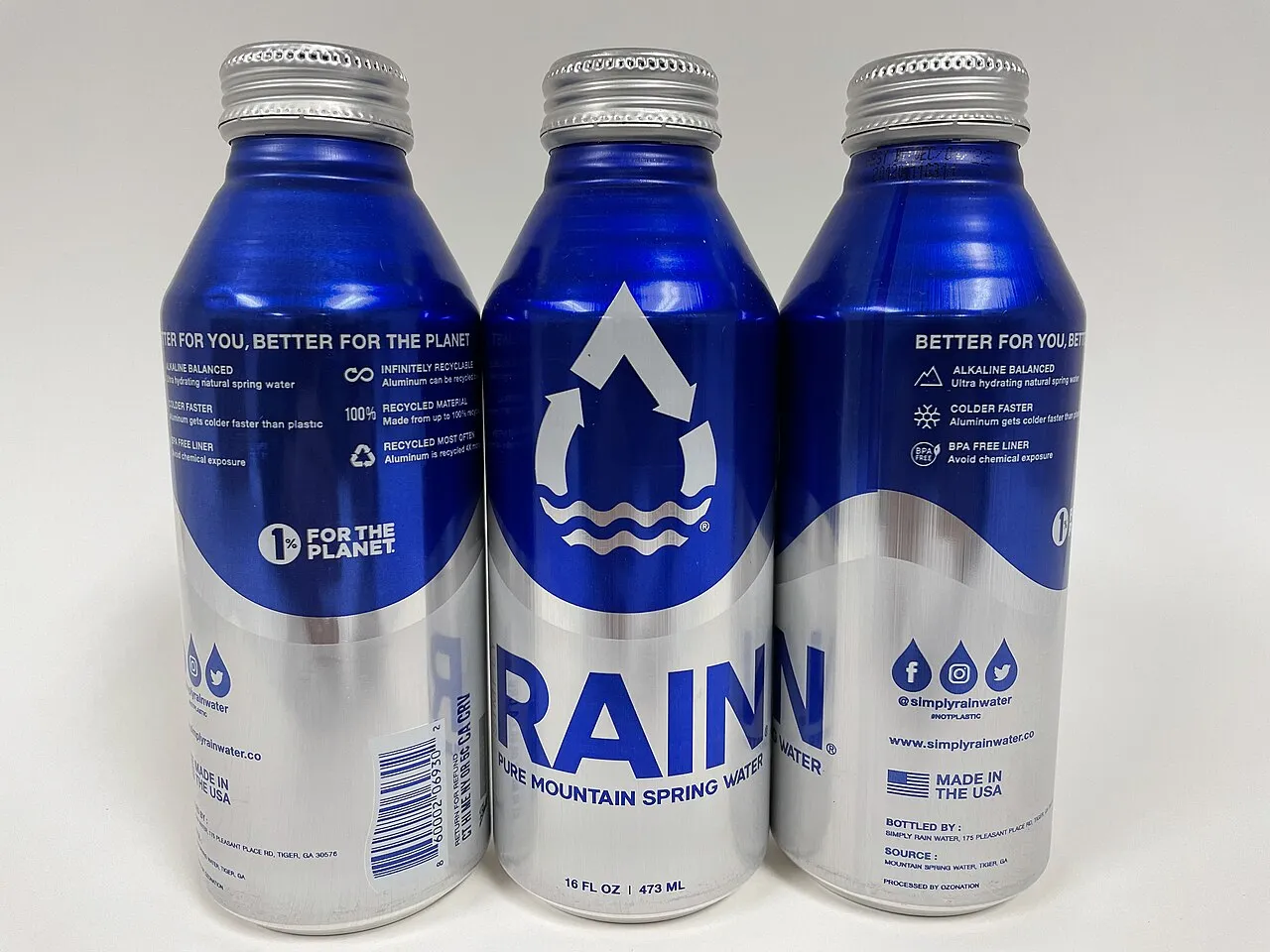
The growth stories adjacent to bottled water are increasingly refill stories: filtration subscriptions, dispenser networks, smart refill stations in offices, gyms and transit hubs, and packaging shifts toward aluminium and concentrates. None of these require consumers to care harder; they monetise the same convenience the bottle sells, with a better cost and waste profile. The World Health Organization framing of safely managed water as core infrastructure underlines the direction of public investment, which private capital tends to follow.
Incumbent brands are hedging accordingly, expanding into refill and premium functional waters while defending the core bottle business. The risk to that core is not a sudden consumer awakening; the survey rules that out. It is regulation and infrastructure: deposit schemes, public refill mandates and quality transparency, city by city, repricing the trust premium the whole category rests on.
The Boardroom Takeaway
Category managers should also watch the premium end of the market for signal. Luxury waters, imported, glass-bottled and story-rich, keep growing even as commodity volumes face pressure, which tells you the category is splitting: hydration as a utility is migrating to refill and filtration, while bottled water survives as an occasional, expressive purchase. That is the trajectory of many disrupted categories, from music to taxis, where the mass default moves first and the premium niche lingers profitably. The survey supports exactly that reading. Mass bottled consumption is held up by convenience and distrust, both of which infrastructure erodes, while the expressive premium is held up by identity, which infrastructure does not touch. Investors pricing the whole category as one block will misread both halves.
Treat bottled water demand as infrastructure-dependent, not sentiment-dependent. Businesses exposed to the category should stress-test against municipal investment and packaging regulation in their specific markets, not against headline risk. And businesses attacking the category should stop selling awareness, which the data says is already maxed out, and start selling the only currencies the survey says matter: convenience that matches the bottle, and trust that can be verified at the tap.
