

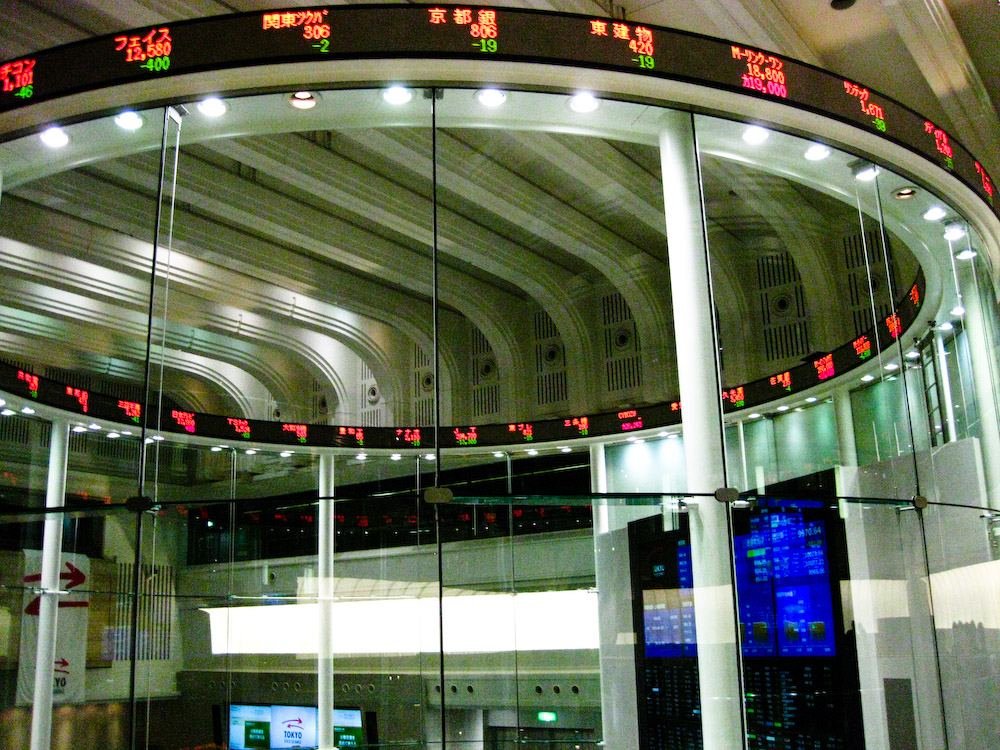
Traders are reading market screens cautiously as interest rate expectations shift again, with shares, bonds and currencies moving quickly whenever new inflation, jobs or growth figures change the outlook for central bank decisions. A single strong report can persuade investors that rates will stay higher for longer, lifting borrowing costs and pressuring company valuations, while softer data revives hopes of cuts and sends money back into riskier assets within the same trading session. For business readers, the important story sits beneath the daily swings, because financing costs, mortgage pricing and pension values all respond to the same expectations that move the screens in financial centres. Analysts warn against treating every movement as a verdict on the whole economy, since thin trading, automated strategies and short term positioning can exaggerate moves that reverse within days. Patience, diversification and attention to company earnings remain the steadier guides through noisy markets.
What the Evidence Shows
Finance teams inside ordinary companies feel these shifts directly when they refinance loans, price long contracts or decide whether an investment project still clears its return target at a higher cost of borrowing this year. Treasurers therefore watch the same data as traders, but with longer horizons, hedging some exposure while avoiding expensive protection against every possible headline that might move markets for an afternoon. Retail investors face a different risk, reacting emotionally to red and green screens and buying or selling at the worst moment instead of following a plan set when markets were calm and thinking was clearer. Advisers recommend checking portfolio balance after large moves, keeping cash reserves for genuine needs and remembering that strong companies can still grow through periods when rate expectations change repeatedly. Markets will keep repricing the future as evidence arrives, and the skill for investors is distinguishing a lasting change in conditions from temporary noise. Reporting and analysis from sources such as International Monetary Fund track the same developments, and specialists following traders watch markets as rate expectations shift say the direction is now consistent across independent lines of evidence.
The Wider Context
The wider context is a financial system repricing risk after a long era of cheap money. Decisions shaped by traders watch markets as rate expectations shift are being made under closer supervisory attention, with stress tests and disclosure rules that assume conditions can worsen quickly. Institutions that planned for the benign case are adjusting in public, which is uncomfortable and healthy in equal measure.
What Happens Next
What happens next with traders watch markets as rate expectations shift will be visible first in the data that professionals watch weekly: flows, spreads and the terms on new deals. Participants who spoke for this article expect a period of adjustment rather than drama, with the biggest effects landing on those who assumed the old conditions were permanent. Planning, as ever, is the cheapest hedge. You can follow related developments in our coverage of finance.
There is a practical lesson in all of this for readers deciding what to do today. Start with the verified facts, be wary of anyone promising certainty, and prefer reversible steps while the evidence is still developing. Circumstances differ by country, income and personal situation, so general guidance should always be weighed against your own context before you act on it in any significant or lasting way.
