

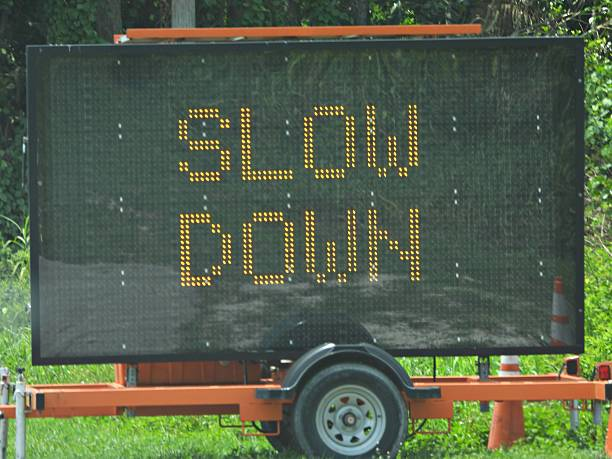
In the modern world, transportation systems are evolving rapidly to meet increasing demands for safety, efficiency, and real-time communication. One technology that plays a pivotal role in achieving these goals is the variable message sign (VMS). These electronic displays provide drivers with timely information that enhances road safety, reduces congestion, and supports intelligent transportation management. This article explores the role of variable message signs in smart transportation, their functions, types, and benefits.
What is a Variable Message Sign?
A variable message sign is an electronic traffic sign capable of displaying information to road users dynamically. Unlike static signs, VMS can be updated remotely to provide real-time messages regarding traffic conditions, roadwork, accidents, weather updates, or special events.
These signs are commonly placed on highways, urban roads, and at critical intersections to ensure that drivers receive crucial information when it is most relevant. By delivering timely guidance, variable message signs reduce uncertainty, help prevent accidents, and improve overall traffic flow.
How Variable Message Signs Work
Variable message signs operate using a combination of hardware and software designed to display customizable messages.
Hardware Components
- LED or LCD Display Panels: Most modern VMS use high-intensity LEDs for visibility in various weather and lighting conditions. Some signs use LCD screens for detailed text or graphics.
- Control Unit: This is the “brain” of the sign, processing commands and updating the display accordingly.
- Power Supply: VMS may be powered by conventional electricity, solar energy, or a combination of both for sustainability and reliability.
Software and Communication
- Remote Control Systems: Transportation authorities can change messages in real time through central traffic management centers.
- Integration with Traffic Sensors: VMS can receive data from traffic cameras, vehicle detectors, and GPS-enabled systems to provide dynamic information.
- Pre-programmed Alerts: Common alerts, such as lane closures or speed limits, can be automatically activated based on traffic conditions.
Types of Variable Message Signs
Variable message signs come in different formats to suit specific purposes and road environments. Understanding these types is key to implementing them effectively.
Fixed Variable Message Signs
Fixed VMS are permanently installed in a location and usually serve major highways or urban corridors. These signs are ideal for providing consistent messages about road conditions, upcoming exits, or recurring traffic patterns.
Portable Variable Message Signs
Portable signs are mounted on trailers or movable structures and can be deployed in construction zones, temporary events, or emergency situations. Their mobility allows transportation authorities to address short-term traffic challenges without permanent infrastructure.
Full-Matrix and Character-Matrix Signs
- Full-Matrix Signs: These can display both text and graphics, such as arrows, symbols, or diagrams, offering greater flexibility for complex messages.
- Character-Matrix Signs: These display text characters only and are commonly used for simple instructions, speed limits, or warnings.
Applications of Variable Message Signs in Smart Transportation
Variable message signs play a critical role in smart transportation systems, where technology and data integration aim to improve traffic efficiency and safety.
Traffic Management and Congestion Control
VMS provide real-time traffic information, including congestion alerts, estimated travel times, and recommended alternative routes. This reduces bottlenecks and improves vehicle flow, especially during peak hours or special events.
Road Safety and Accident Prevention
Variable message signs can display warnings about accidents, lane closures, or adverse weather conditions. Prompt alerts give drivers more reaction time, reducing the likelihood of secondary collisions and enhancing overall road safety.
Event and Emergency Communication
During emergencies such as natural disasters or major accidents, VMS can quickly relay instructions to drivers, including evacuation routes, road closures, or shelter locations. In large-scale public events, signs can guide traffic and ensure smooth access and egress.
Environmental and Energy Benefits
By helping vehicles avoid congested areas, variable message signs contribute to lower fuel consumption and reduced emissions. Some systems are integrated with environmental sensors to provide alerts about air quality, encouraging drivers to take alternative routes or modes of transport.
Advantages of Using Variable Message Signs
The adoption of variable message signs in transportation networks offers numerous benefits for authorities, drivers, and the environment.
Real-Time Information
Unlike static signs, VMS can be updated instantly to reflect current traffic conditions. Drivers receive relevant, timely information that improves decision-making and travel efficiency.
Flexibility and Adaptability
Messages on VMS can be tailored for various situations, from routine traffic guidance to unexpected emergencies. This adaptability allows transportation authorities to respond quickly to changing conditions.
Enhanced Driver Awareness
By providing clear, visible messages, variable message signs keep drivers informed about potential hazards, detours, or speed limits, reducing the risk of accidents.
Integration with Smart Transportation Systems
VMS can be integrated with other intelligent transportation system (ITS) components, such as traffic sensors, GPS data, and automated control systems, creating a comprehensive traffic management ecosystem.
Challenges and Considerations
While variable message signs offer many benefits, implementing them effectively requires addressing certain challenges.
Maintenance and Reliability
LED displays and control systems require regular maintenance to ensure visibility and functionality. Weather, vandalism, and technical faults can compromise performance.
Message Clarity
Messages must be concise, readable, and free of ambiguity. Overloading drivers with too much information can reduce effectiveness or cause confusion.
Cost and Infrastructure
Installation and operation of variable message signs involve significant upfront investment. Authorities must balance cost with the potential benefits in traffic efficiency and safety.
Future of Variable Message Signs in Smart Transportation
As smart transportation evolves, variable message signs are expected to become more integrated with emerging technologies. Advances such as AI-powered traffic prediction, connected vehicles, and autonomous driving systems will allow VMS to provide even more precise and personalized information.
Integration with mobile apps and navigation systems may allow drivers to receive VMS updates directly on their devices, further enhancing traffic flow and safety. Additionally, energy-efficient designs and solar-powered options will contribute to more sustainable transportation solutions.
Conclusion
The variable message sign is a cornerstone of modern, intelligent transportation systems. By delivering timely, flexible, and dynamic information, these signs improve road safety, enhance traffic efficiency, and support environmental sustainability. While challenges such as maintenance, cost, and message clarity exist, the benefits of integrating VMS into smart transportation networks are significant. As technology advances, variable message signs will continue to evolve, playing an increasingly vital role in shaping safer, more efficient, and sustainable roadways for the future.
