

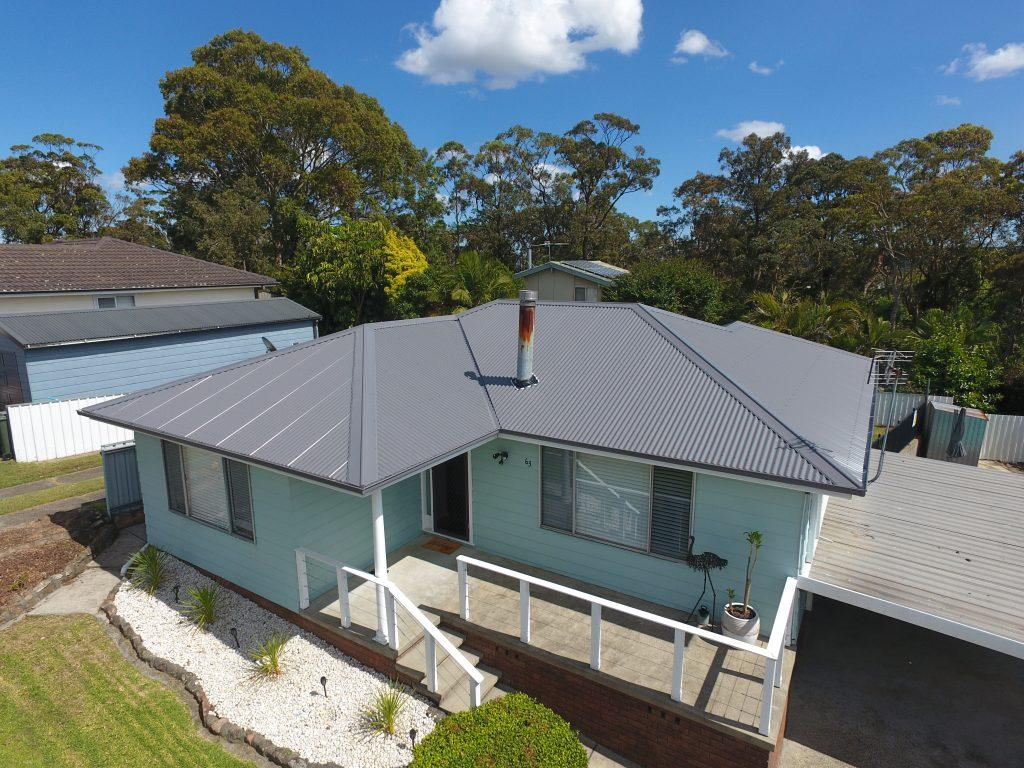
Choosing a new roof is a major decision for any homeowner. A roof is responsible for protecting the property from changing weather conditions, moisture, wind, heat, and other external elements. It can also influence the appearance, comfort, energy efficiency, and long-term maintenance requirements of a home.
Metal roofing is a popular choice for many residential properties because of its durability and modern appearance. However, before proceeding with Colorbond Roofing in Newcastle, it is important to consider several factors, including the condition of the existing roof, local weather conditions, roof design, installation requirements, maintenance needs, and long-term costs.
Understanding these factors can help homeowners make a more informed decision and choose a roofing solution that suits their property.
1. Assess the Condition of Your Existing Roof
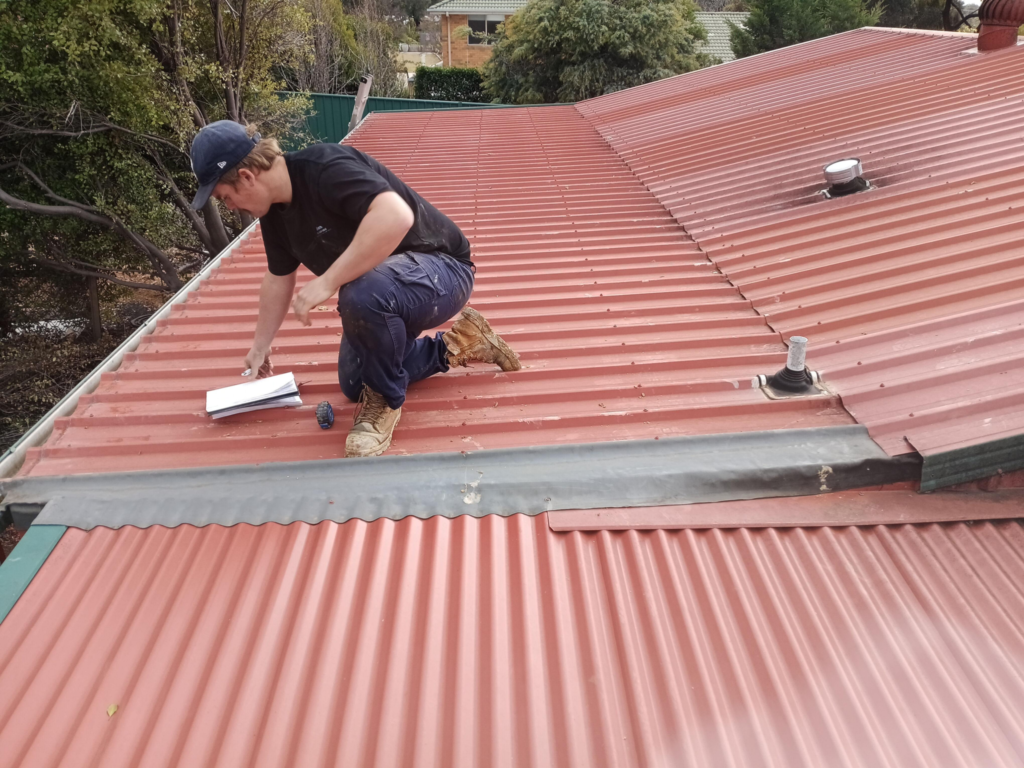
Before installing a new roof, the current roofing system should be inspected carefully. In some cases, the existing roof may have underlying structural problems that need to be addressed before new materials are installed.
Common issues include:
- Water damage
- Rotting timber
- Rust or corrosion
- Damaged roof framing
- Leaks around flashing
- Poor ventilation
- Uneven roof surfaces
Why a Roof Inspection Is Important
A new roofing system should be installed on a stable and properly prepared structure. If hidden damage is ignored, it could affect the performance and lifespan of the new roof.
A professional inspection can help identify whether repairs are required before installation begins. This may include replacing damaged structural components, improving drainage, or addressing existing moisture problems.
2. Consider Newcastle’s Local Weather Conditions
Local weather is an important factor when selecting any roofing system. Properties can be exposed to varying levels of rain, wind, heat, humidity, and coastal conditions.
When considering Colorbond Roofing in Newcastle, homeowners should think about how the roof will perform throughout the year.
Wind and Storm Exposure
Strong winds and severe weather can place significant pressure on roofing materials. The roof design, fastening methods, and installation quality all play an important role in helping the roofing system perform effectively.
Homes in more exposed locations may require additional consideration during the planning and installation process.
Rain and Moisture
A properly designed roof should direct rainwater away from the property. Roof slopes, drainage systems, flashing, gutters, and downpipes all need to work together effectively.
Poor drainage can lead to water pooling and may increase the risk of leaks or deterioration over time.
Heat and Sun Exposure
Roof colour and material can influence how much heat is absorbed by the building. Homeowners may wish to consider the orientation of their property and the amount of direct sunlight the roof receives during the day.
This can be particularly important when planning for indoor comfort and energy efficiency.
3. Choose the Right Roof Colour
The colour of a roof can have a major impact on the overall appearance of a property. It should complement the exterior design of the home, including wall colours, windows, gutters, and surrounding features.
When choosing a colour for Colorbond Roofing in Newcastle, homeowners should consider both style and practicality.
Factors to Consider When Choosing a Colour
Think about:
- The architectural style of your home
- Existing exterior colours
- The appearance of neighbouring properties
- Sun exposure
- Long-term visual appeal
- Local planning or building requirements
It can be helpful to view roofing colour samples in different lighting conditions. A colour may appear different in direct sunlight compared with shade or overcast weather.
4. Understand the Installation Requirements
The quality of installation can be just as important as the roofing material itself. Even durable materials may not perform as expected if they are installed incorrectly.
Before starting a roofing project, it is important to understand the expected scope of work.
This may include:
- Removing the existing roofing materials
- Inspecting the roof structure
- Preparing the roof surface
- Installing insulation or other supporting materials
- Installing roofing sheets
- Securing flashings and roof edges
- Completing drainage connections
Ask About the Installation Process
Homeowners should ask for a clear explanation of how the project will be completed. Understanding the process can help you prepare your property and know what to expect during the installation.
It is also useful to discuss how the work area will be managed and how old materials or construction waste will be removed.
5. Consider Roof Insulation and Ventilation
A new roof installation can provide an opportunity to review the insulation and ventilation of the home. These components can influence indoor comfort and may affect the overall performance of the roofing system.
Poor ventilation can contribute to excess heat and moisture within the roof space. Similarly, inadequate insulation can make it more difficult to maintain comfortable indoor temperatures.
Why These Factors Matter
When planning Colorbond Roofing in Newcastle, consider whether the roofing project should include improvements to:
- Ceiling insulation
- Roof ventilation
- Moisture management
- Airflow within the roof space
The right approach will depend on the design and condition of the property.
6. Plan for Maintenance Requirements
Although metal roofing can be relatively low maintenance, it should not be completely ignored. Regular inspections and basic maintenance can help identify small issues before they become larger problems.
Homeowners should periodically check for:
- Accumulated leaves and debris
- Blocked gutters
- Loose roof components
- Damaged sealants
- Signs of corrosion
- Damage following severe weather
Coastal Conditions Can Increase Maintenance Needs
Homes located closer to coastal environments may experience conditions that increase exposure to moisture and salt. Regular inspections can help identify early signs of deterioration.
Addressing small problems promptly may help extend the lifespan of the roofing system and reduce the need for more extensive repairs.
7. Set a Realistic Budget
A roofing project involves more than the cost of the visible roofing material. Homeowners should understand all potential costs before making a final decision.
The total budget may include:
- Roofing materials
- Labour
- Removal of old roofing
- Structural repairs
- Insulation
- Flashing
- Gutters and drainage components
- Waste disposal
Look Beyond the Initial Cost
Choosing the lowest upfront quote is not always the best option. It is important to compare what is included in each proposal.
A detailed quote can make it easier to understand the expected costs and reduce the likelihood of unexpected expenses later.
Long-term maintenance requirements and the expected lifespan of the roofing system should also be considered when assessing overall value.
8. Check Local Building and Planning Requirements
Depending on the location and type of property, there may be building standards, regulations, or planning requirements that need to be considered before a new roof is installed.
Requirements can vary based on:
- Property location
- Building design
- Roof structure
- Local weather exposure
- Heritage considerations
- Fire safety requirements
Before beginning a major roofing project, homeowners should ensure that the work is planned and completed in accordance with relevant local requirements.
9. Think About the Future of Your Property
A new roof is a long-term investment, so it is useful to consider how your needs may change over time.
For example, you may want to:
- Improve the appearance of the home
- Increase energy efficiency
- Reduce future maintenance
- Prepare the property for sale
- Add solar panels later
- Complete other exterior renovations
Consider Future Additions
If you plan to install solar panels or other roof-mounted equipment in the future, discussing this during the roofing planning stage may be helpful.
Planning ahead can reduce the need for unnecessary modifications later and help ensure the roofing system supports future improvements.
10. Choose an Experienced Roofing Professional
Selecting the right professional is one of the most important parts of the entire project. Roofing installation requires technical knowledge, practical experience, and an understanding of the specific requirements of the property.
When looking for a contractor for Colorbond Roofing in Newcastle, homeowners should take time to research their options and ask relevant questions.
Questions You Can Ask
Before making a decision, consider asking:
- What experience do you have with metal roofing installations?
- What work is included in the quote?
- How long is the project expected to take?
- Will the existing roof structure be inspected?
- How will the property be protected during the work?
- What maintenance will the new roof require?
- Are there potential issues that could affect the project timeline?
Clear communication can help ensure that expectations are understood before work begins.
Final Thoughts
Installing a new roof is an important investment that should be planned carefully. From assessing the condition of the existing roof to considering local weather, colour selection, insulation, ventilation, maintenance, and installation requirements, each factor can influence the long-term performance of the roofing system.
Before proceeding with Colorbond Roofing in Newcastle, take the time to understand your property’s specific needs and the full scope of the project. A well-planned installation can help improve the protection, appearance, and functionality of your home.
By considering both immediate requirements and long-term goals, homeowners can make a more informed decision and avoid overlooking important details. Careful planning, appropriate materials, quality workmanship, and regular maintenance all play a role in supporting the long-term performance of a residential roof.
