

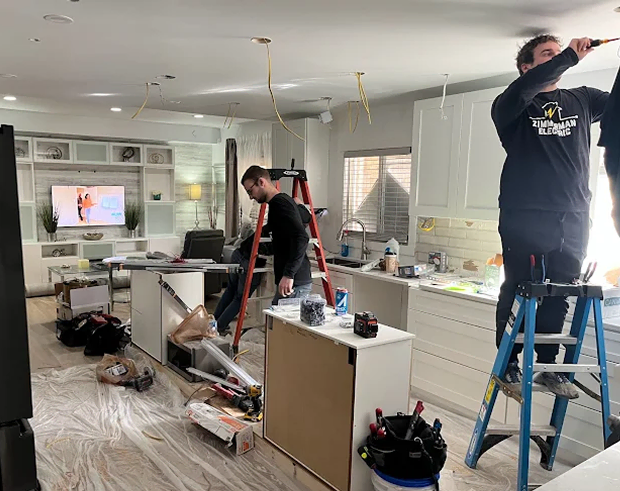
Many homes were wired for a lamp, a radio, and a television per room. Today, the same room can hold laptops, chargers, smart speakers, and kitchen gadgets that compete for a handful of outlets. Searching for an electrician near me to increase the electrical outlets is often the first step toward fixing a layout that no longer matches how you live.
Outlet placement shapes how comfortably a room works every day. A licensed electrician near me can review your rooms, measure how power is used, and add outlets where furniture, desks, and appliances actually sit. That planning turns scattered cords and overloaded power strips into a cleaner, safer setup for work, entertainment, and cooking.
Rooms That Outgrew Their Original Wiring
Home Offices in Spare Bedrooms: A spare bedroom turned into a home office usually has one or two outlets placed for a nightstand lamp, not a workstation. A computer, two monitors, a printer, a router, and a desk lamp exceed that layout fast. Cords end up stretched across the floor, creating trip hazards and steady strain on one receptacle.
Media Walls and Renovated Kitchens: Entertainment areas and updated kitchens face the same shortage. A television, sound bar, gaming console, and streaming device often share one outlet behind the cabinet. New islands and longer countertops leave stretches with no nearby power. In everyday field work, electricians routinely see homeowners who ran cords along counters for years before a warm plug prompted a call.
Fewer Extension Cords, Better Device Placement
Cords Built for Temporary Use: Extra outlets reduce the need for extension cords, which are designed for short-term use rather than everyday power. Cords pinched under rugs or furniture can wear through their insulation and overheat. A properly installed outlet keeps power inside the wall, where wiring is protected, rated for the load, and inspected to code.
Devices Placed Where They Belong: When outlets match the room’s layout, devices go where they are useful instead of where a plug happens to reach. A reading chair gets a lamp beside it, a nightstand gets a charging spot, and the counter gets power where the coffee maker sits. Small changes like these make a room easier to live in.
What an Electrician Checks Before Adding Outlets
Circuit Capacity Comes First: Before a new outlet goes in, an electrician checks whether the existing circuit can carry the added demand. That review covers wire gauge, breaker size, and branch circuit ampacity, which sets how much current the wiring can safely handle. A circuit already near its limit often calls for a new dedicated circuit from the panel.
Code Rules Guide Each Location: Outlet placement follows national code, not guesswork. Receptacle spacing requirements generally call for an outlet within six feet of any point along a usable wall, and kitchen counters need outlets so no spot sits more than two feet from one. An electrician also confirms GFCI and AFCI protection where code requires it.
Choosing Between Power Strips, DIY Work, and New Outlets
Each Option Carries Trade-Offs: Power strips cost little and add plug points fast, but they still draw from one outlet and one circuit. DIY outlet work may look simple, yet mistakes with grounding, box fill, or connections can create hidden fire risks and failed inspections. Hiring an electrician near me delivers permitted, code-compliant outlets that hold up under daily use.
What Waiting Usually Costs: Putting off outlet upgrades rarely makes the problem smaller. Cord clutter grows as devices arrive, loose plugs wear out receptacles, and overloaded strips can trip breakers or overheat. Home inspectors also flag daisy-chained power strips and missing protection during a sale. Adding outlets during a planned project usually costs less than an urgent repair later.
Outlet Layouts That Adapt as Rooms Change
Freedom to Rearrange Furniture: Planned outlet placement lets you rearrange a room without losing access to power. Outlets on several walls, or a floor outlet beneath a sofa in the middle of the room, keep cords out of walkways and doorways. That flexibility helps families whose living rooms shift between movie nights, homework, and hosting guests.
Ready for New Equipment: Homes keep adding powered equipment such as standing desks, air purifiers, wall-mounted TVs, and countertop ovens. Outlets planned with spare capacity make those additions easy instead of forcing another round of cords. USB-equipped receptacles, outlets behind TVs, and dedicated circuits for heavy appliances keep a home ready for the next few years.
Signs Your Rooms Need Better Outlet Placement
Warning Signs to Watch For: Outlet problems tend to show up gradually, so they are easy to dismiss until something fails. Small daily habits can reveal a layout that no longer fits how your home runs. These signs suggest it is time to have outlet placement reviewed before a minor inconvenience turns into a safety concern.
- Extension cords stay plugged in year-round in the same spots.
- Power strips are plugged into other power strips.
- Plugs feel warm, fit loosely, or spark when inserted.
- Breakers trip when several devices run at once.
- An electrician near me can fix rooms where outlets dictate furniture placement.
A Home Wired Around Your Life
Well-placed outlets make every room safer, tidier, and easier to use, whether you work from home, entertain often, or cook for a full household. Waiting tends to add more cords, more strain on old receptacles, and a bigger repair bill later. Book an outlet assessment with a trusted electrician near me today and plan a layout built around your lifestyle.
