

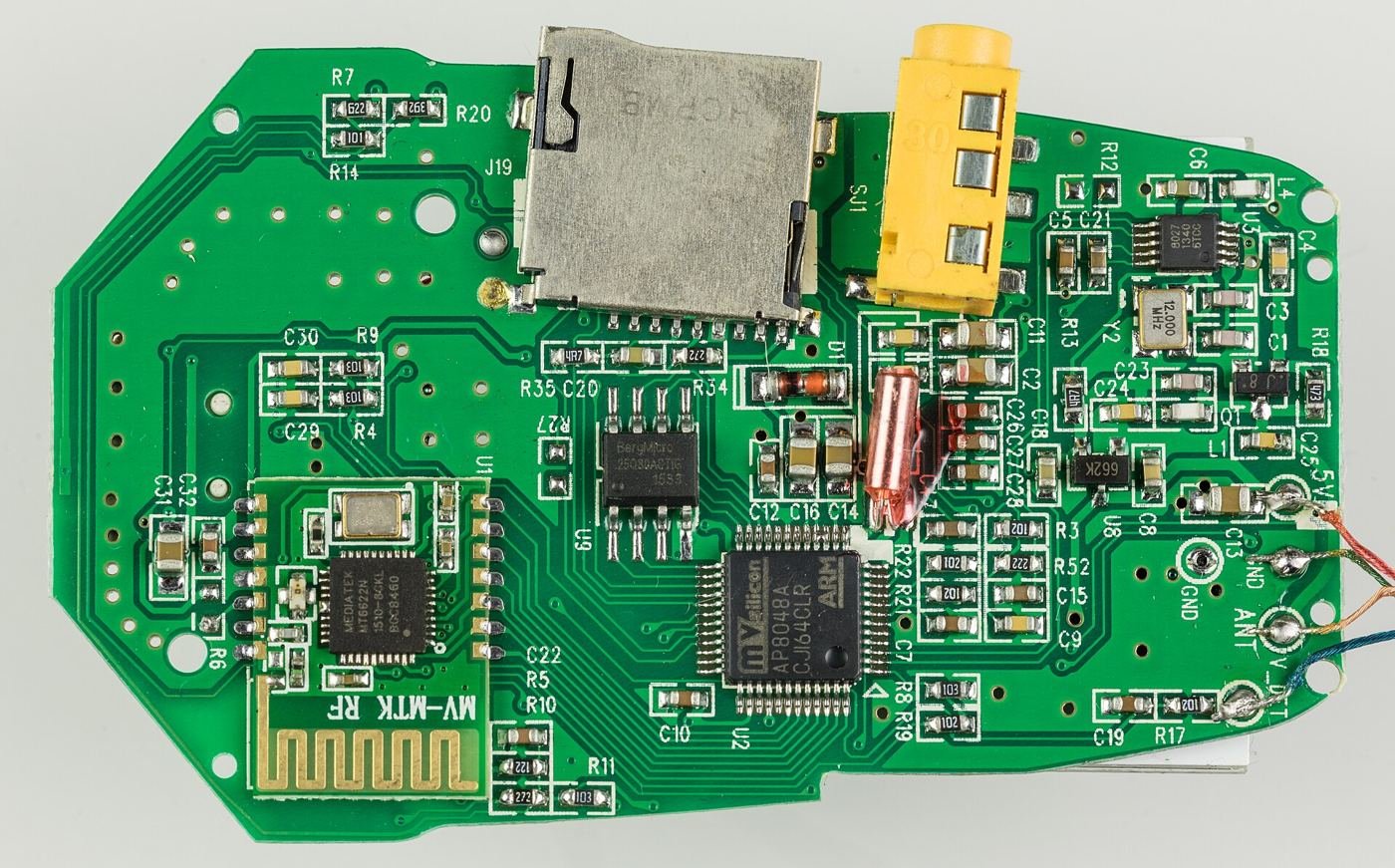
Businesses are testing AI chips in phones to speed everyday tasks, as the newest processors handle transcription, translation, photo sorting and document summaries directly on the device instead of sending everything to distant servers. For staff who travel, visit clients or work from sites with poor connections, on-device intelligence means meeting notes are searchable within minutes, calls can be captioned live and photographs of documents are cleaned up automatically before they are shared. The chips also sip power more carefully than cloud requests made over mobile networks all day, a small saving that adds up across a fleet of hundreds of company handsets. Not every task moves to the phone, since large company datasets and shared analysis still belong on central systems with proper controls and backups. Even so, pilots report that the quickest wins are mundane, faster search, cleaner audio and fewer apps, which is exactly why busy staff actually notice and welcome the change.
What the Evidence Shows
Choosing devices for a business fleet now involves questions that barely existed three years ago, including which AI features run locally, how long the maker supports software updates and whether company data can be kept out of model training entirely. Training matters as much as hardware, because staff use new features properly when shown short, job-specific examples instead of a generic list of clever tricks the phone can perform. Security settings need review too, since summaries, captions and smart replies may store sensitive text in places administrators have not previously monitored or governed under company policy. Costs remain higher for the most capable models, so many firms are mixing tiers, giving field and client-facing teams the advanced phones while keeping simpler devices for roles that need only calls and messaging. The direction, though, is settled, with intelligence moving steadily into the handset itself and reshaping what a standard work phone is expected to do. Reporting and analysis from sources such as Wired track the same developments, and specialists following businesses test AI chips in phones say the direction is now consistent across independent lines of evidence.
The Wider Context
The wider context is an industry learning to ship capability and restraint together. Products built around businesses test AI chips in phones now launch with safety evaluations, usage data and rollback plans as standard, because enterprise buyers and regulators ask for them in the first meeting. Companies that treated those questions as friction are discovering they have become the purchase criteria.
What Happens Next
What happens next for businesses test AI chips in phones depends less on another breakthrough than on the unglamorous work of reliability, pricing and support. The buyers evaluating it now are not enthusiasts; they are operators with budgets and auditors, and their checklists will decide the timeline. On the evidence of the current pilots, the technology has earned the right to be judged by them. You can follow related developments in our coverage of technology.
None of this will be settled by a single announcement, study or product launch. The pattern to watch is accumulation: independent confirmations, honest reporting of failures and steady improvement in the underlying numbers. Readers who follow those signals, rather than the loudest claim of the week, will understand this subject better than most of the commentary surrounding it suggests is possible.
