

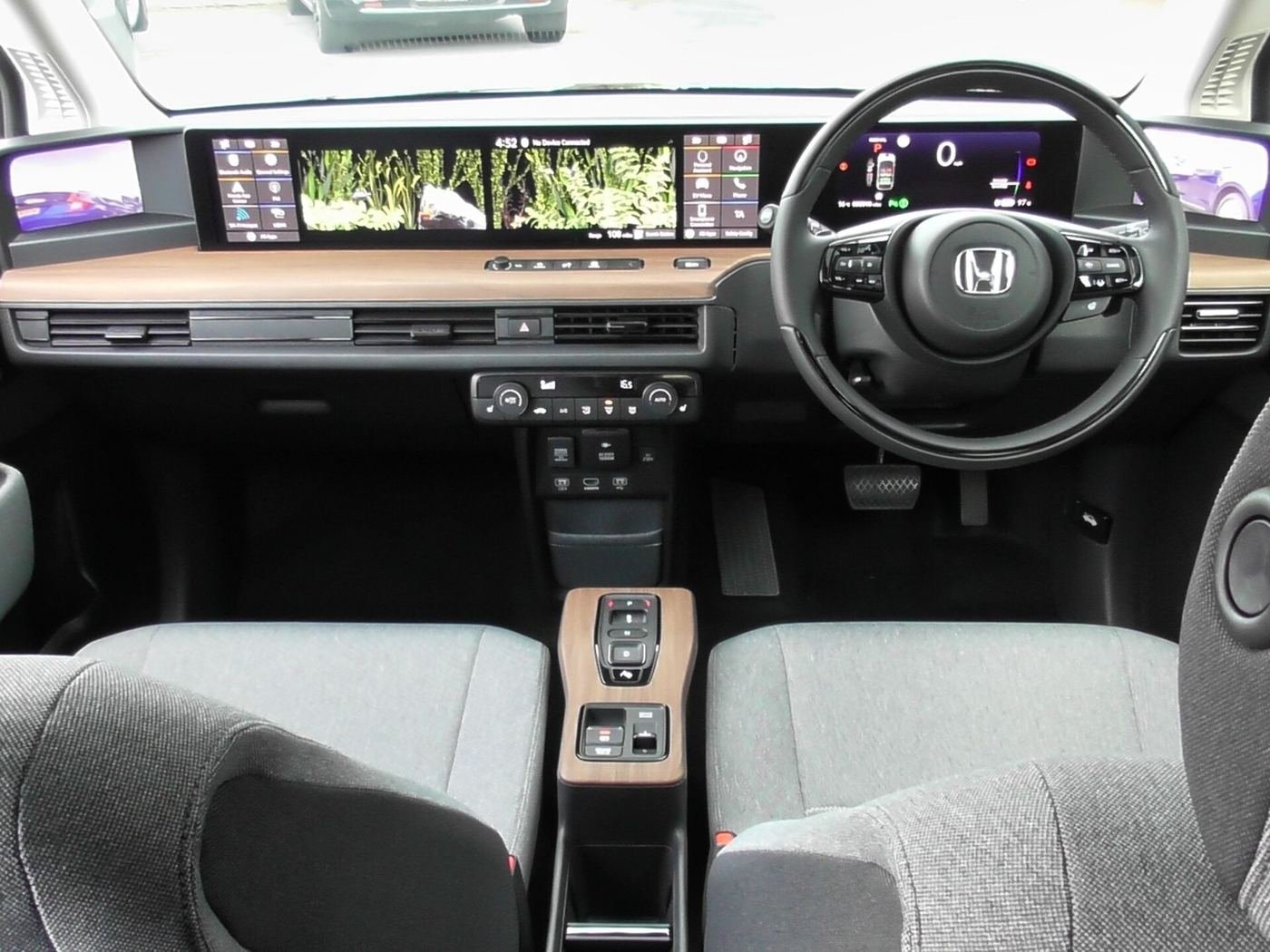
Connected car dashboards are becoming a new platform for services as drivers expect navigation, entertainment, payments and vehicle updates to work seamlessly together. Automakers are redesigning touchscreens to be clearer at a glance, with larger controls, voice assistance and fewer distractions for people behind the wheel. The shift matters for technology and transport businesses, because the dashboard is now where software services, charging information and maintenance alerts meet the customer. Electric models have accelerated the change, giving drivers live battery data, route planning for chargers and energy use shown in a simple visual format. Analysts say the winners will be companies that make these systems helpful, secure and easy to update without overwhelming drivers with unnecessary features.
What the Evidence Shows
For drivers, a good dashboard should reduce effort, showing the right information at the right moment and allowing common tasks to be completed quickly. Touch controls work best for parked or simple actions, while physical buttons and voice commands remain safer choices for adjusting settings on the move. Privacy is also central, because connected cars collect location, driving and usage data that owners should understand and be able to control easily. Manufacturers are under pressure to provide clear updates, protect systems from cyber threats and support vehicles for longer as software becomes core to ownership. As dashboards evolve, they are turning the car into a connected service space while still needing to serve the simple job of driving. Reporting and analysis from sources such as Wired track the same developments, and specialists following connected car dashboards as service platforms say the direction is now consistent across independent lines of evidence.
The Wider Context
The wider context is an industry learning to ship capability and restraint together. Products built around connected car dashboards as service platforms now launch with safety evaluations, usage data and rollback plans as standard, because enterprise buyers and regulators ask for them in the first meeting. Companies that treated those questions as friction are discovering they have become the purchase criteria.
What Happens Next
What happens next for connected car dashboards as service platforms depends less on another breakthrough than on the unglamorous work of reliability, pricing and support. The buyers evaluating it now are not enthusiasts; they are operators with budgets and auditors, and their checklists will decide the timeline. On the evidence of the current pilots, the technology has earned the right to be judged by them. You can follow related developments in our coverage of technology.
None of this will be settled by a single announcement, study or product launch. The pattern to watch is accumulation: independent confirmations, honest reporting of failures and steady improvement in the underlying numbers. Readers who follow those signals, rather than the loudest claim of the week, will understand this subject better than most of the commentary surrounding it suggests is possible.
