

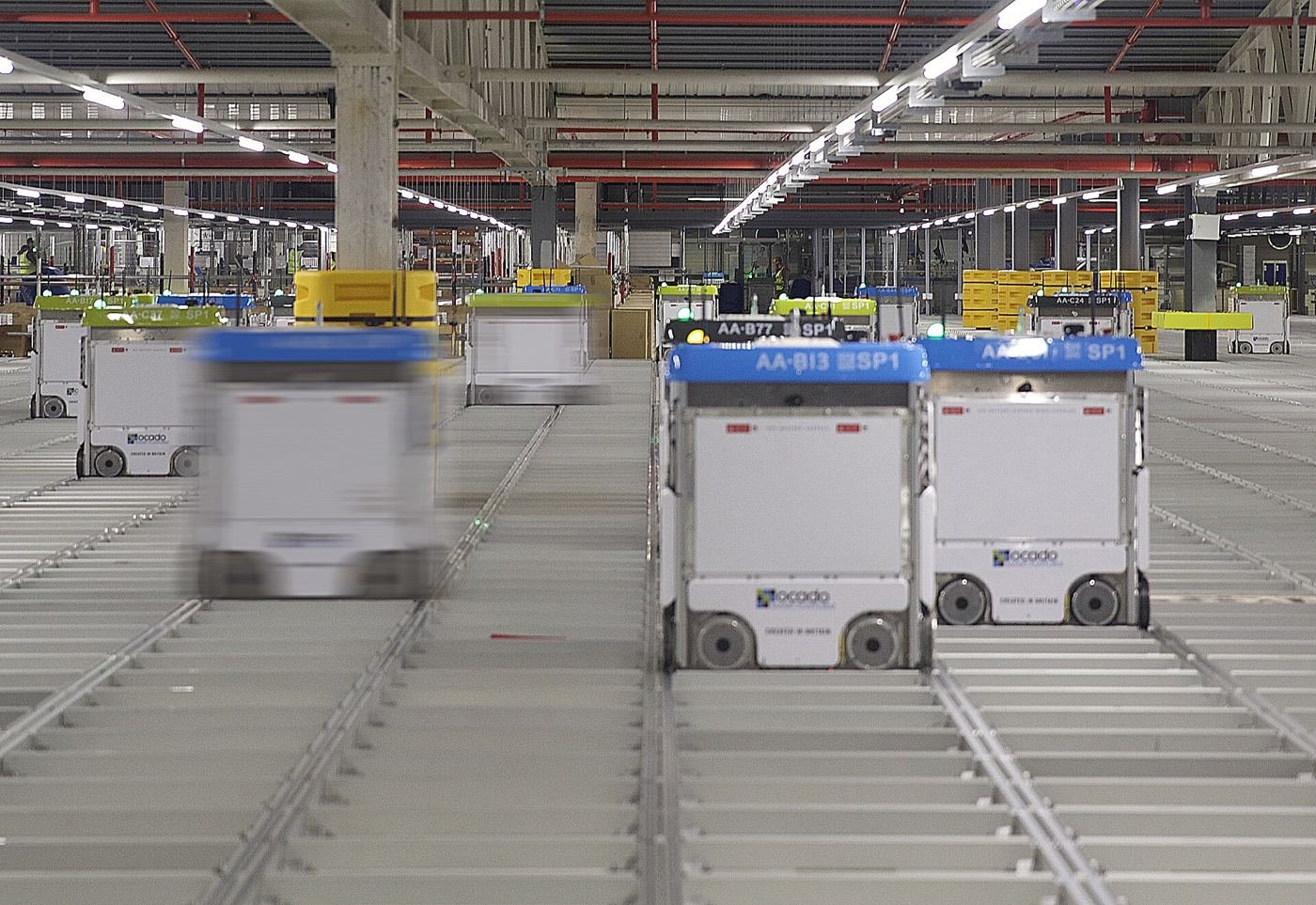
Warehouse robots are helping retailers keep shelves moving during busy seasons, gliding between storage racks to bring goods to staff instead of forcing workers to walk miles each shift searching for individual items. The busiest periods, from holiday sales to major promotions, once meant frantic hiring, overtime and a higher risk of picking errors when tired teams rushed to clear mounting orders before delivery deadlines. Mobile robots change the rhythm of the building, delivering shelves or bins in a steady flow while people focus on checking, packing and solving the exceptions that machines still handle badly. Managers say the technology works best alongside experienced staff rather than instead of them, because local knowledge about fragile goods, awkward shapes and urgent orders remains essential when volumes surge unexpectedly. For customers, the change is visible simply as fewer delays, fewer wrong items and a retailer that copes calmly when demand spikes.
What the Evidence Shows
Introducing robots still requires careful planning, including redesigned layouts, reliable wireless coverage, charging points and training so staff trust the machines and understand how to work safely around them on a busy warehouse floor. Costs are significant, so many firms begin with one section, measure picking speed and error rates honestly and expand only when the numbers justify the investment over several peak seasons. Unions and worker groups ask fair questions about pace and job quality, and responsible operators answer by using automation to remove the heaviest walking and lifting rather than simply demanding more from the same people. Data from the robots also helps managers forecast busy periods, position popular stock closer to packing areas and spot bottlenecks before they become missed delivery promises. Warehouses will keep changing, but the most successful sites treat robots as colleagues in a system designed around human judgement. Reporting and analysis from sources such as Wired track the same developments, and specialists following warehouse robots help retailers move stock say the direction is now consistent across independent lines of evidence.
The Wider Context
The wider context is an industry learning to ship capability and restraint together. Products built around warehouse robots help retailers move stock now launch with safety evaluations, usage data and rollback plans as standard, because enterprise buyers and regulators ask for them in the first meeting. Companies that treated those questions as friction are discovering they have become the purchase criteria.
What Happens Next
What happens next for warehouse robots help retailers move stock depends less on another breakthrough than on the unglamorous work of reliability, pricing and support. The buyers evaluating it now are not enthusiasts; they are operators with budgets and auditors, and their checklists will decide the timeline. On the evidence of the current pilots, the technology has earned the right to be judged by them. You can follow related developments in our coverage of technology.
None of this will be settled by a single announcement, study or product launch. The pattern to watch is accumulation: independent confirmations, honest reporting of failures and steady improvement in the underlying numbers. Readers who follow those signals, rather than the loudest claim of the week, will understand this subject better than most of the commentary surrounding it suggests is possible.
