

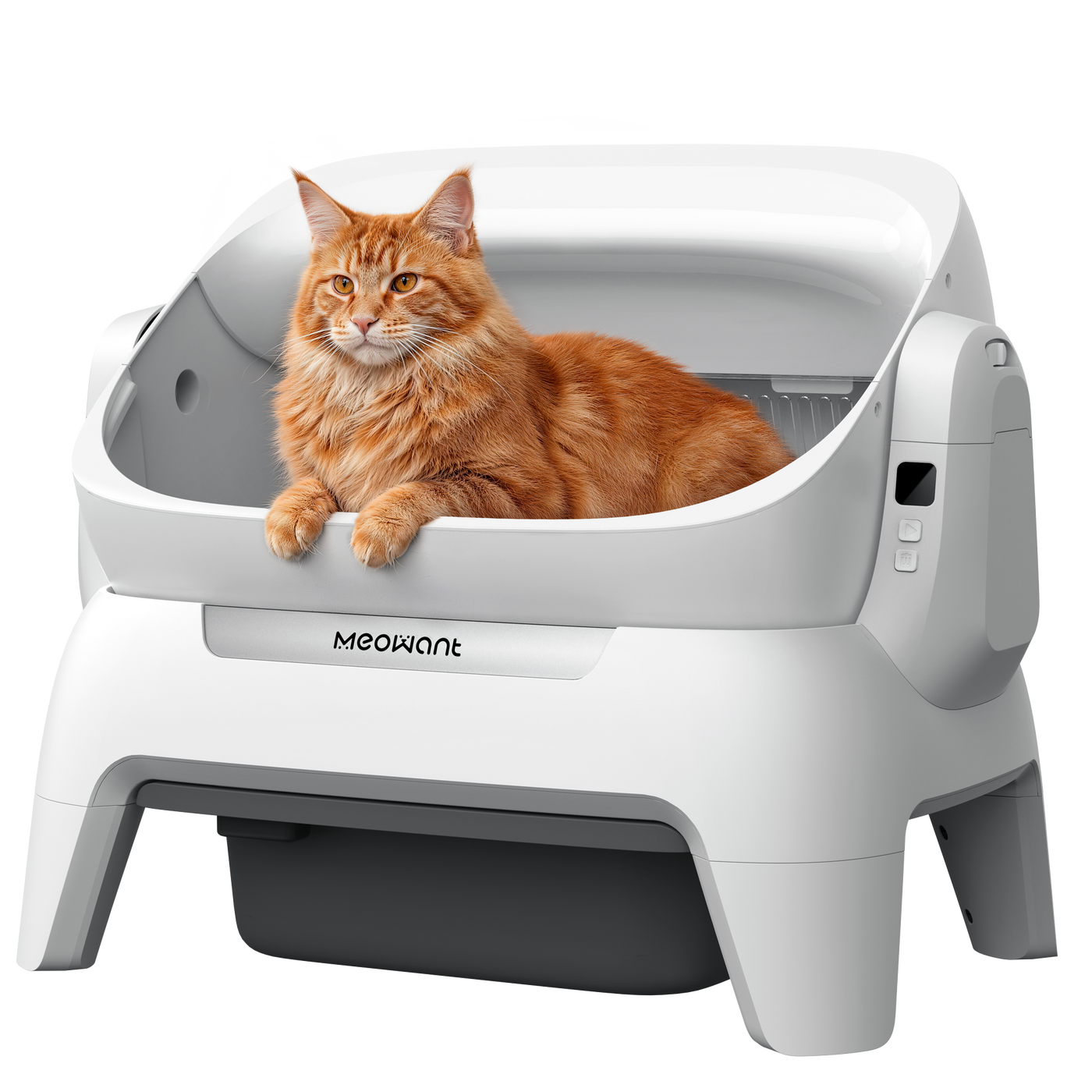
Ask a busy cat owner what they would pay to never scoop again, and the answer is usually a long pause followed by a number. That hesitation is exactly why automatic cat litter boxes spark such strong opinions. Sceptics call them expensive gimmicks; converts insist they are the best money they have spent on their pet. As often happens with polarizing purchases, the truth sits in the details of your specific situation rather than in a universal verdict.
This article takes an honest look at the question by weighing real benefits against real costs and trade-offs. It is not a sales pitch in either direction. Instead, it walks through who gains the most, what to inspect before spending money, how to anticipate the ongoing expenses, and how to avoid the traps that turn a promising purchase into buyer’s remorse. It also considers the quieter benefits that rarely show up in product listings, such as the reduction in stress that comes from no longer worrying about a neglected box.
By the end, you should have a clear framework for deciding whether automation fits your home. The goal is not to convince you either way but to replace marketing impressions with practical criteria you can apply to your own routine.
Who Really Benefits From Automation
The clearest winners are households where manual scooping consistently slips. Shift workers, parents of young children, frequent travelers, and people managing a mobility limitation all face the same risk: the box gets cleaned late or not at all. For them, a machine that restores the schedule is genuinely transformative. Multi-cat homes benefit too, because more cats means more daily maintenance and a higher chance that odor and avoidance behaviors creep in. When one machine can keep pace with several cats, the relief is immediate.
Owners who love the hands-on routine may feel differently. If you already scoop twice a day and enjoy the habit, a machine adds cost without much upside. But for anyone who has come home to a soiled box and felt that small stab of guilt, automatic cat litter boxes offer something concrete: reliable consistency without relying on willpower. That is the real product being sold, not the motor or the app but a guarantee that the box will be clean even on the days your life is not.
There is a middle group worth naming: owners whose cats are fussy about cleanliness. For them, a box that resets after every visit is less about saving time and more about preventing accidents. Even a few avoided incidents can justify the expense, because repeat accidents are stressful for everyone involved and hard to reverse once a habit forms.
Weighing the Honest Trade-Offs
An informed decision requires looking at costs as well as benefits. The value of automation rests on whether the machine saves enough time and stress to justify its price and upkeep.
The Upfront and Ongoing Costs
These machines cost more than a simple tray, and they consume bag liners, filters, and electricity over time. The question is how you count that against the hours of scooping you reclaim and the litter you no longer waste. For most owners who stick with automation, the math works out quickly. But budget honestly, including replacement parts, so the purchase does not become a source of stress itself. A machine that saves you time but strains your finances has simply moved the burden rather than removed it.
Reliability Is the Real Deciding Factor
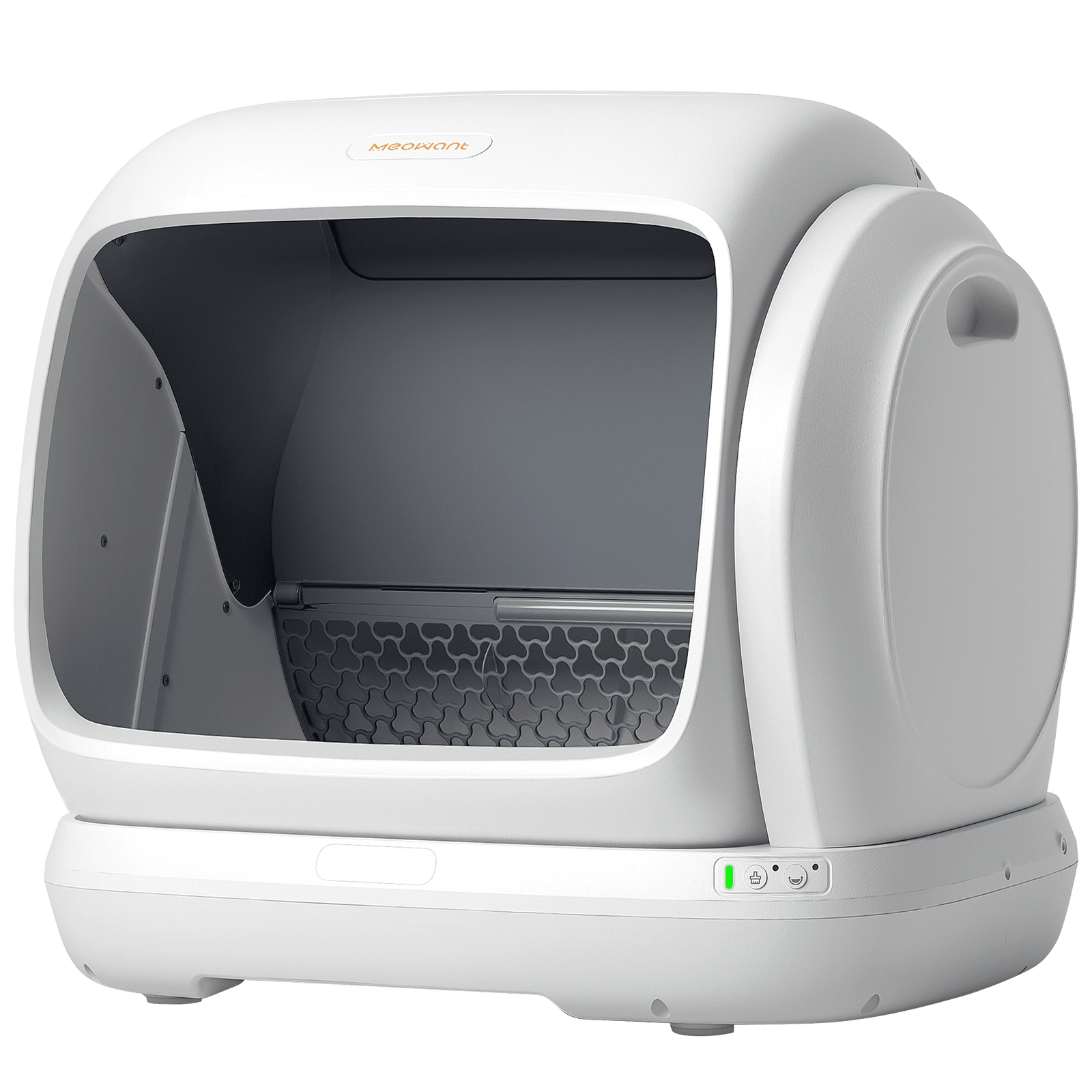
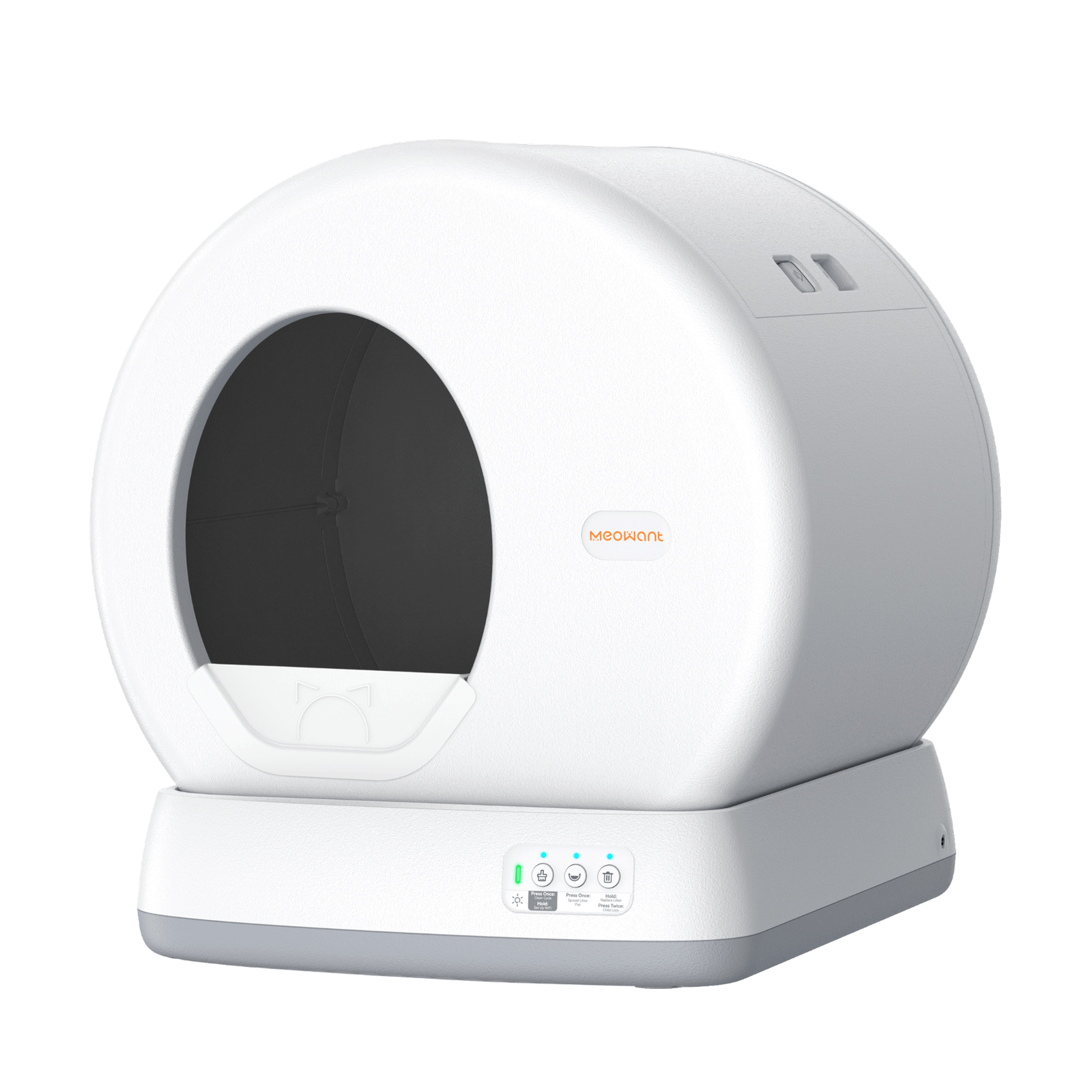
The bigger risk is a machine that malfunctions. A stalled cycle leaves the box dirty, which defeats the entire purpose and can cost more in frustration than it ever saved. Before buying, research how the unit behaves when a sensor misfires, whether safety features pause the rake if a cat re-enters, and how easy the parts are to replace. Good brands stand behind their hardware; Meowant designs its automatic cat litter boxes with sensor safety and durable mechanics as core features, so the machine earns trust rather than demanding supervision.
It is also worth checking how the unit handles the messiest moments, such as a soft clump or an overfull drawer. These are the conditions that reveal whether the engineering is thoughtful or merely adequate. A brief search for owner reports on long-term performance will tell you more than any feature list.
Questions to Ask Before You Commit
Walk into the decision with a short checklist. How many cats will use it, and how quickly does the waste drawer fill at that volume? Does the entry accommodate your largest or oldest cat comfortably? Is the cycle quiet enough for the room where it will live? Can you access usage data to spot a sudden change that might signal a health problem? Each answer narrows the field and reduces the chance of an expensive mismatch.
It also helps to consider your cat’s temperament. Bold, curious cats adapt quickly, while anxious ones need a slower introduction and a machine that runs gently. If your cat is easily spooked, prioritize quiet operation over fancy connectivity. Matching the device to the animal living with it is far more important than chasing the longest feature list.
Finally, think about the physical space. Measure the spot and confirm the drawer can open fully, because a machine that cannot be emptied in place quickly becomes a nuisance. Small practical constraints like this often decide whether automation feels effortless or awkward in daily use.
Price should be weighed last, not first. Once you know the size, noise level, and safety features you need, the field narrows to a handful of models, and comparing them becomes far more meaningful. Buying on price alone tends to produce the very machine that disappoints, because the cost savings usually come from the parts that matter most.
Consider, too, how long you plan to keep the cat. Over several years, the daily time saved compounds into hundreds of hours, and the machine’s cost per day shrinks to something modest. Framing the decision that way often resolves the hesitation that a single upfront figure creates.
Avoiding Buyer’s Remorse
The most common regret is skipping the introduction process. Rushing a humming machine into a cat’s space can trigger fear that is hard to undo. Set it up beside the old box, run it empty, and reward calm curiosity. A second frequent mistake is neglecting routine upkeep; even automated units need occasional cleaning, and a dirty sensor or full drawer undermines everything. Owners who treat automation as set-and-forget tend to be disappointed, while those who pair it with light upkeep get years of dependable service.
Buy from a seller with a fair return window, and test the cycle quietly before the return period closes. Read reviews for mentions of customer support, because hardware with moving parts will eventually need attention, and a responsive seller makes the difference between a minor inconvenience and a lost investment. Keeping the original packaging for the first few weeks is a small habit that makes a return painless if something goes wrong.
It also pays to define what success looks like before you buy. For one household it is never scooping again; for another it is fewer accidents or a fresher spare room. Writing that down keeps the purchase honest and gives you a clear test during the return window. If the machine does not deliver the specific outcome you named, you have grounds to reconsider rather than talking yourself into keeping something that does not fit.
Making the Call for Your Own Home
Whether automatic cat litter boxes are worth it comes down to fit, not hype. If your schedule is tight, your household is busy, or manual scooping keeps falling through the cracks, the consistency these machines provide is well worth the investment. If you relish the routine, you may reasonably pass. In either case, decide by inspecting safety sensing, sealed waste handling, capacity, and noise against your cats and your space. Choose deliberately, introduce patiently, and the answer stops being abstract and becomes a simple reflection of how you want to live with your cat.
