

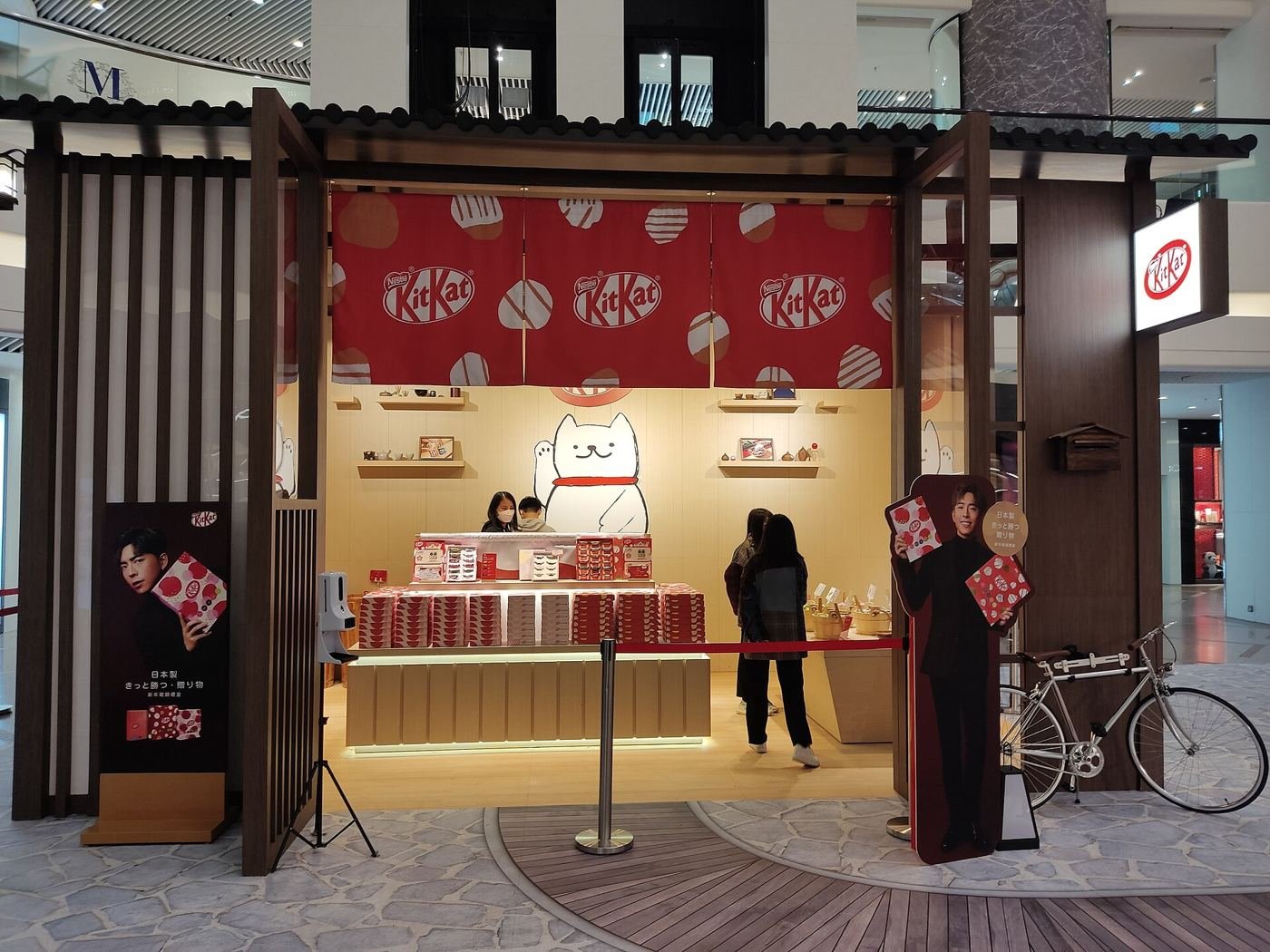
Signing a five-year lease on a shop is a frightening commitment for a new brand that has not yet proved anyone wants its products. Pop-up shops offer a gentler first step: a short-term space, rented for a weekend or a month, where a brand can sell directly to real customers. The format suits online sellers who want to meet their buyers, food makers testing a new recipe, and designers launching a first collection. A busy market hall, a shared retail space or an empty unit in a shopping centre can all work, and the rent is a fraction of a permanent lease. The brand learns quickly what sells, what prices customers accept, and which products draw a crowd. Many pop-ups start in shared markets, where rent is low and shoppers already browse for discoveries.
What the Evidence Shows
Running a pop-up well takes planning. Location matters most, since footfall decides whether anyone walks past the stall, so brands should visit at different times of day before committing. A simple, attractive display beats an expensive fit-out, and a card reader is essential, as many shoppers no longer carry cash. Social media can drive visitors if the brand announces the dates early and shares photos of the setup. Collecting email addresses from buyers turns one-off visitors into repeat customers for the online shop. A clear sign and a friendly greeting help turn browsers into buyers. Some brands return to the same spot several times, building a local following before opening permanently. For a new brand, a pop-up is market research that pays for itself. Reporting and analysis from sources such as International Monetary Fund track the same developments, and specialists following pop-up shops say the direction is now consistent across independent lines of evidence.
The Wider Context
The wider context is a financial system repricing risk after a long era of cheap money. Decisions shaped by pop-up shops are being made under closer supervisory attention, with stress tests and disclosure rules that assume conditions can worsen quickly. Institutions that planned for the benign case are adjusting in public, which is uncomfortable and healthy in equal measure.
What Happens Next
What happens next with pop-up shops will be visible first in the data that professionals watch weekly: flows, spreads and the terms on new deals. Participants who spoke for this article expect a period of adjustment rather than drama, with the biggest effects landing on those who assumed the old conditions were permanent. Planning, as ever, is the cheapest hedge. You can follow related developments in our coverage of finance.
There is a practical lesson in all of this for readers deciding what to do today. Start with the verified facts, be wary of anyone promising certainty, and prefer reversible steps while the evidence is still developing. Circumstances differ by country, income and personal situation, so general guidance should always be weighed against your own context before you act on it in any significant or lasting way.
