

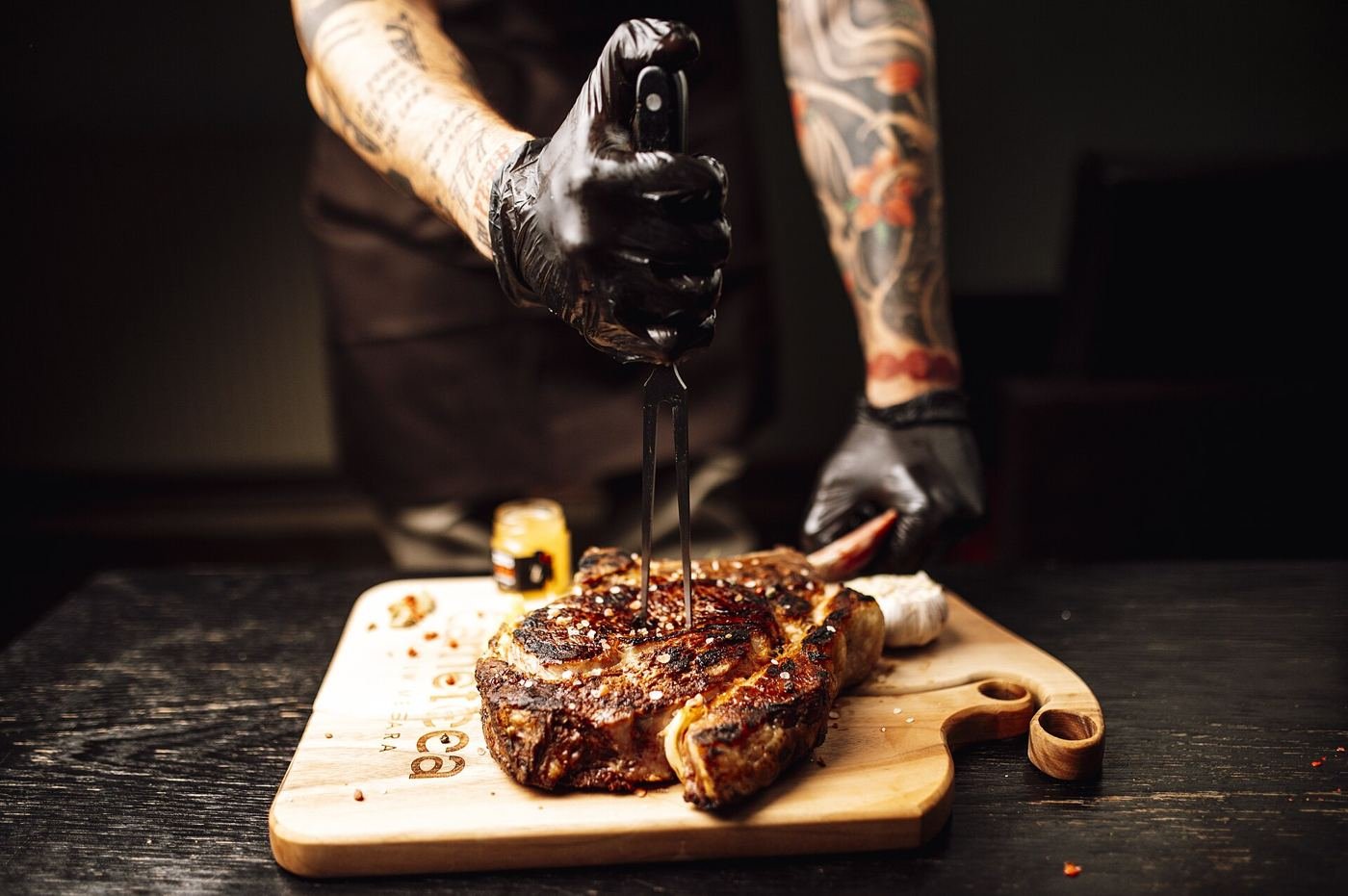
On a busy street, a kitchen with no tables, no waiters and no sign outside the door can still serve hundreds of meals a day. Cloud kitchens, also called ghost kitchens, cook food solely for delivery, taking orders through apps and handing dishes to couriers at the counter. Without a dining room to rent, decorate and staff, the business can operate from a small industrial unit or share a space with other food brands, each cooking under its own name from the same stoves. The model suits new food businesses testing a menu without the cost of a full restaurant, and established chains reaching neighbourhoods where opening a branch would be too expensive. Orders arrive on a screen, the kitchen works through them in sequence, and packaging is designed to keep food hot on a bike or in a car. For customers, the experience is identical to ordering from any restaurant on their phone. For the kitchen, every square metre earns its keep.
What the Evidence Shows
Running a cloud kitchen well depends on speed, consistency and the delivery apps that supply its orders. A kitchen that takes too long loses its place in the app’s listings, while one that sends out cold or incorrect food quickly earns poor ratings that are hard to repair. Many operators run several brands from one kitchen, so a slow evening for burgers can be balanced by a busy night for noodles, all cooked by the same small team. Costs are lower than a traditional restaurant, but the apps take a share of every order, and that commission shapes the menu prices. Marketing is also different, since there is no passing trade and no window display, so photos, reviews and app placement do the work of a shopfront. Food safety rules apply just as they do to any kitchen, with inspections and hygiene ratings published online. The model is still young, but it has already changed how new food businesses start. Reporting and analysis from sources such as MIT Technology Review track the same developments, and specialists following cloud kitchens say the direction is now consistent across independent lines of evidence.
The Wider Context
The wider context is an industry learning to ship capability and restraint together. Products built around cloud kitchens now launch with safety evaluations, usage data and rollback plans as standard, because enterprise buyers and regulators ask for them in the first meeting. Companies that treated those questions as friction are discovering they have become the purchase criteria.
What Happens Next
What happens next for cloud kitchens depends less on another breakthrough than on the unglamorous work of reliability, pricing and support. The buyers evaluating it now are not enthusiasts; they are operators with budgets and auditors, and their checklists will decide the timeline. On the evidence of the current pilots, the technology has earned the right to be judged by them. You can follow related developments in our coverage of technology.
There is a practical lesson in all of this for readers deciding what to do today. Start with the verified facts, be wary of anyone promising certainty, and prefer reversible steps while the evidence is still developing. Circumstances differ by country, income and personal situation, so general guidance should always be weighed against your own context before you act on it in any significant or lasting way.
