

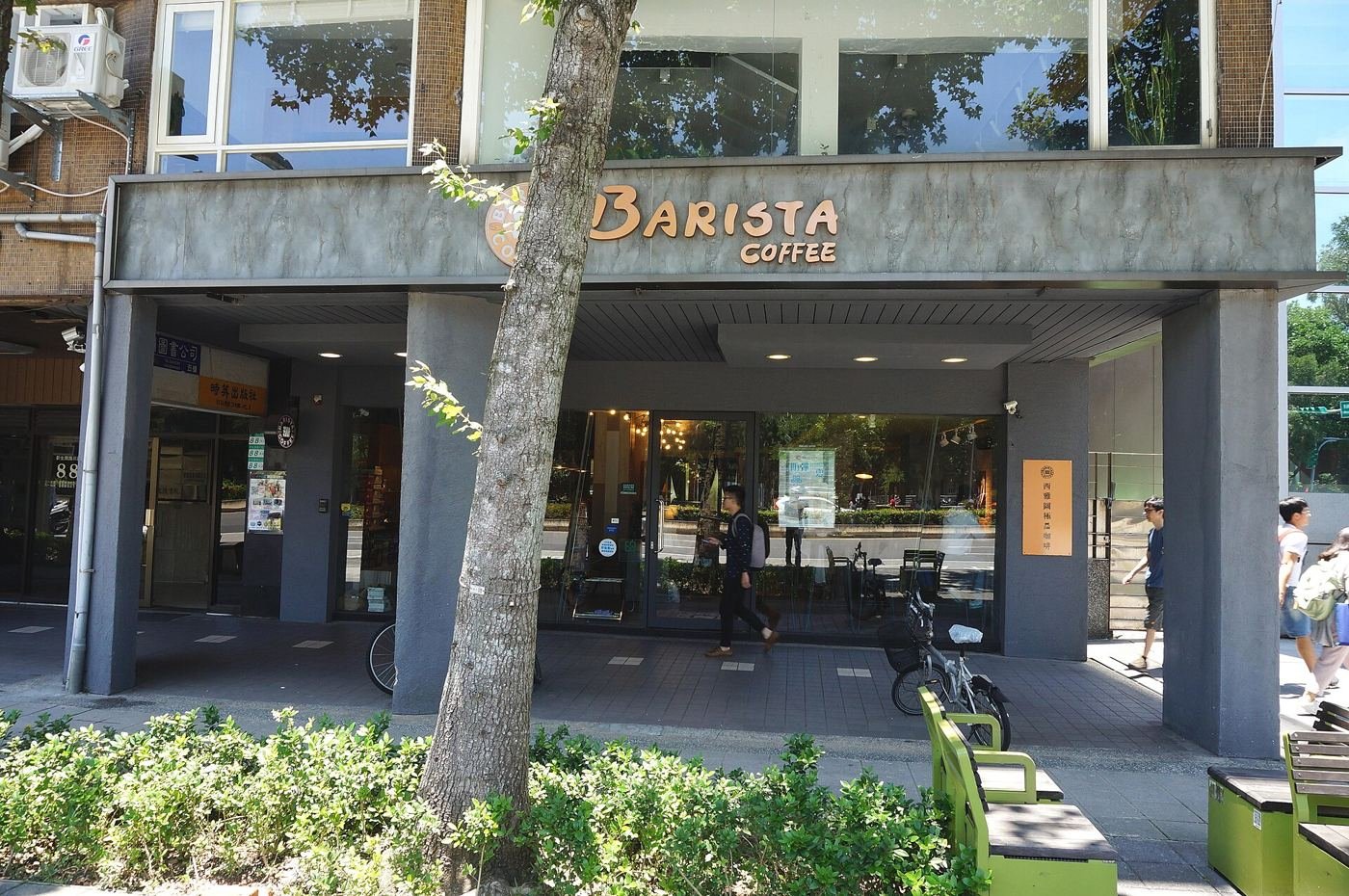
Neighbourhood cafes are discovering that a simple loyalty card can turn occasional visitors into regulars who keep the till ringing through quiet weeks. The familiar stamp card, offering a free coffee after a set number of visits, gives customers a small reason to return to the same counter instead of trying the chain down the road. Owners say regulars matter beyond their own orders, since they bring friends and fill tables at slow hours. A good loyalty scheme also teaches the owner who the best customers are and when they visit, helping with staffing and stock. Digital versions now live on phones, sending a gentle reminder when a customer has not visited for a while or offering a birthday treat. The cost is modest, usually one free drink in ten, yet the extra visits it encourages often pay for it many times over. For a small cafe competing with big brands, loyalty is one of the few advantages money cannot easily buy.
What the Evidence Shows
Running a loyalty scheme well takes more care than printing a card. The reward should feel reachable, since a free coffee after twenty visits is too distant to excite anyone, while one after six feels like a genuine thank you. Staff must remember to offer the stamp every time, because a forgotten stamp quietly annoys the very customers the scheme is meant to keep. Some cafes add small touches, such as remembering a regular’s usual order or saving a favourite table, which deepen loyalty far more than points alone. Digital schemes help owners spot patterns, like the morning rush that needs extra hands. The scheme should also be easy to join, with no app download or long form standing between a customer and their first stamp. Done with warmth and consistency, a loyalty card becomes a small ritual that binds a cafe to its street. Reporting and analysis from sources such as International Monetary Fund track the same developments, and specialists following cafe loyalty cards say the direction is now consistent across independent lines of evidence.
The Wider Context
The wider context is a financial system repricing risk after a long era of cheap money. Decisions shaped by cafe loyalty cards are being made under closer supervisory attention, with stress tests and disclosure rules that assume conditions can worsen quickly. Institutions that planned for the benign case are adjusting in public, which is uncomfortable and healthy in equal measure.
What Happens Next
What happens next with cafe loyalty cards will be visible first in the data that professionals watch weekly: flows, spreads and the terms on new deals. Participants who spoke for this article expect a period of adjustment rather than drama, with the biggest effects landing on those who assumed the old conditions were permanent. Planning, as ever, is the cheapest hedge. You can follow related developments in our coverage of finance.
There is a practical lesson in all of this for readers deciding what to do today. Start with the verified facts, be wary of anyone promising certainty, and prefer reversible steps while the evidence is still developing. Circumstances differ by country, income and personal situation, so general guidance should always be weighed against your own context before you act on it in any significant or lasting way.
