

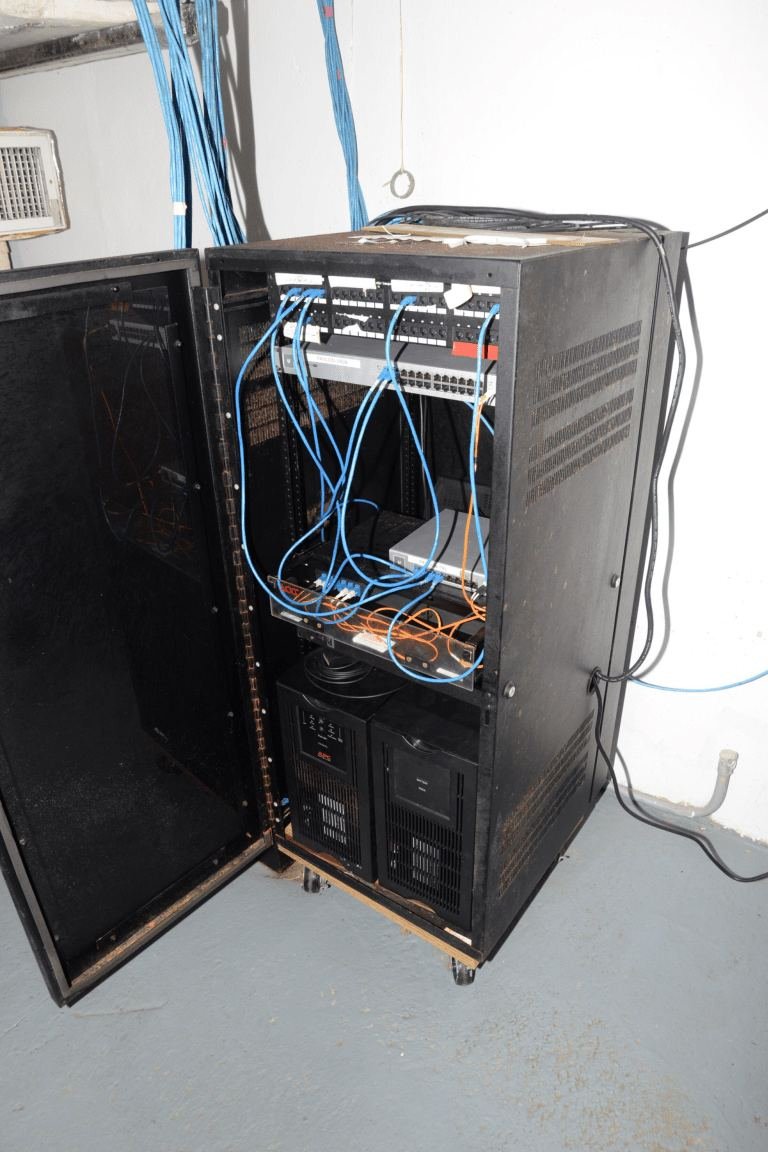
Behind every fast office network sits a server room where the quality of the cabling quietly decides whether systems run smoothly or fail in ways nobody can immediately explain. Structured cabling standards exist so that every cable is installed, labelled and tested the same way, turning a potential tangle into infrastructure that any trained technician can understand years later. The familiar blue network cables are rated by category, with newer ratings supporting faster speeds and better resistance to interference from neighbouring cables and electrical equipment. Bend radius rules sound fussy until a cable crushed around a sharp corner starts dropping data, producing faults that appear random and consume days of detective work. Colour coding and consistent labelling at both ends of each run allow faults to be traced in minutes rather than hours when a department suddenly loses its connection. Patch panels keep the permanent cabling untouched while staff rearrange connections at the front, protecting the expensive hidden work from everyday wear and accidental damage. Businesses often discover the value of these standards during an office move or expansion, when documented cabling lets new capacity be added quickly, cleanly and without shutting down the entire network for exploratory surgery.
What the Evidence Shows
Fibre optic cables increasingly share the server room with copper, carrying data between floors and buildings at speeds copper cannot match over longer distances without degrading. Each technology has its place, and engineers choose between them based on distance, bandwidth, cost and how hostile the environment is to delicate glass strands. Power deserves equal planning, because switches and servers fed through overloaded or unprotected circuits create risks that no amount of careful data cabling can compensate for later. Cooling and cable management are closely linked, since blocked airflow from messy bundles raises temperatures, shortens equipment life and can trigger shutdowns during the hottest weeks of the year. Regular audits, where records are checked against what is actually plugged in, catch the undocumented changes that accumulate whenever someone solves an urgent problem with a temporary cable. Standards also simplify security, because an organised room makes an unauthorised device or unexpected connection far easier to notice during routine inspections. None of this work attracts attention when it succeeds, which is rather the point, since the best compliment a business network can earn is that nobody ever has to think about it. Reporting and analysis from sources such as Wired track the same developments, and specialists following server room cabling standards explained say the direction is now consistent across independent lines of evidence.
The Wider Context
The wider context is an industry learning to ship capability and restraint together. Products built around server room cabling standards explained now launch with safety evaluations, usage data and rollback plans as standard, because enterprise buyers and regulators ask for them in the first meeting. Companies that treated those questions as friction are discovering they have become the purchase criteria.
What Happens Next
What happens next for server room cabling standards explained depends less on another breakthrough than on the unglamorous work of reliability, pricing and support. The buyers evaluating it now are not enthusiasts; they are operators with budgets and auditors, and their checklists will decide the timeline. On the evidence of the current pilots, the technology has earned the right to be judged by them. You can follow related developments in our coverage of technology.
None of this will be settled by a single announcement, study or product launch. The pattern to watch is accumulation: independent confirmations, honest reporting of failures and steady improvement in the underlying numbers. Readers who follow those signals, rather than the loudest claim of the week, will understand this subject better than most of the commentary surrounding it suggests is possible.
