

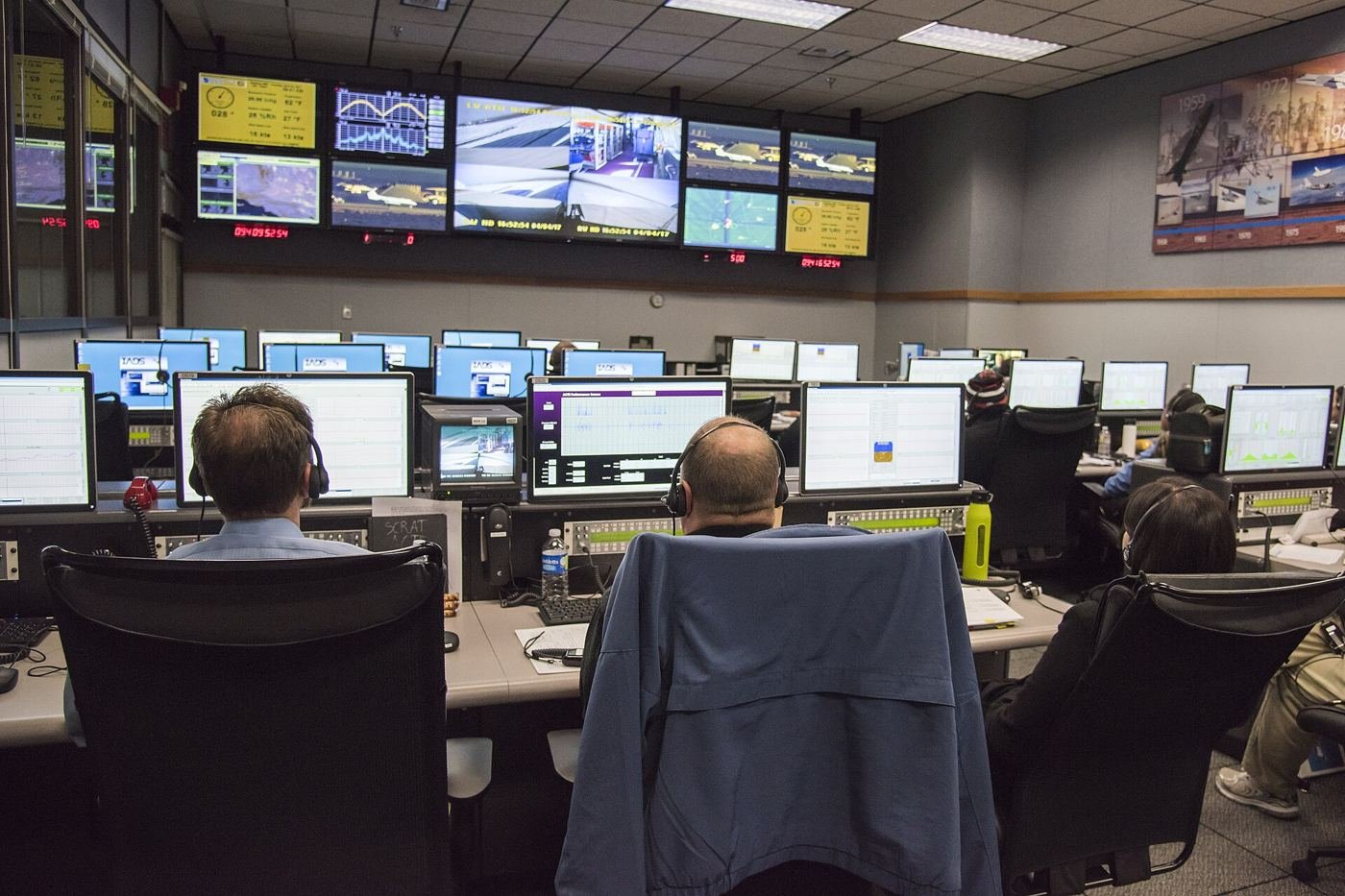
Data centres, the vast halls of servers behind every search, stream and cloud application, are under growing pressure to cut their environmental impact, and engineers are redesigning how they use power and cooling. A single large facility can consume as much electricity as a small town, and cooling that equipment has traditionally relied on energy-hungry air conditioning. Operators are now trying a range of greener approaches, from locating buildings near renewable energy and cooler climates to reusing waste heat to warm nearby homes and offices. Inside the halls, liquid cooling carries heat away from processors far more efficiently than air, allowing denser servers with less wasted energy. Software also plays a role, shifting flexible computing jobs to times and places where clean power is plentiful. Customers are adding to the pressure, asking providers for clear reporting on energy use and carbon emissions before signing contracts. The shift is gradual, but the industry’s direction is now firmly toward facilities that do more computing with less power and less water.
What the Evidence Shows
The engineering challenge is to improve efficiency without risking the reliability that customers depend on. Cooling systems must keep working through heatwaves and equipment failures, so operators test backup systems regularly and monitor temperatures rack by rack. Waste heat reuse is gaining ground in northern cities, where district heating networks can absorb warmth from servers and cut gas use in homes. Some operators are also replacing diesel backup generators with batteries, which respond faster and produce no local emissions. Transparency is improving as well, with standardised reporting that lets customers compare providers on energy, water and carbon rather than price alone. Smaller operators face the hardest choices, since upgrades cost money upfront, though falling prices for efficient hardware and growing customer demand are easing the calculation. The green data centre is no longer a marketing claim, it is becoming the practical standard for an industry whose appetite for computing keeps growing. Reporting and analysis from sources such as Wired track the same developments, and specialists following greener data centres say the direction is now consistent across independent lines of evidence.
The Wider Context
The wider context is an industry learning to ship capability and restraint together. Products built around greener data centres now launch with safety evaluations, usage data and rollback plans as standard, because enterprise buyers and regulators ask for them in the first meeting. Companies that treated those questions as friction are discovering they have become the purchase criteria.
What Happens Next
What happens next for greener data centres depends less on another breakthrough than on the unglamorous work of reliability, pricing and support. The buyers evaluating it now are not enthusiasts; they are operators with budgets and auditors, and their checklists will decide the timeline. On the evidence of the current pilots, the technology has earned the right to be judged by them. You can follow related developments in our coverage of technology.
None of this will be settled by a single announcement, study or product launch. The pattern to watch is accumulation: independent confirmations, honest reporting of failures and steady improvement in the underlying numbers. Readers who follow those signals, rather than the loudest claim of the week, will understand this subject better than most of the commentary surrounding it suggests is possible.
