

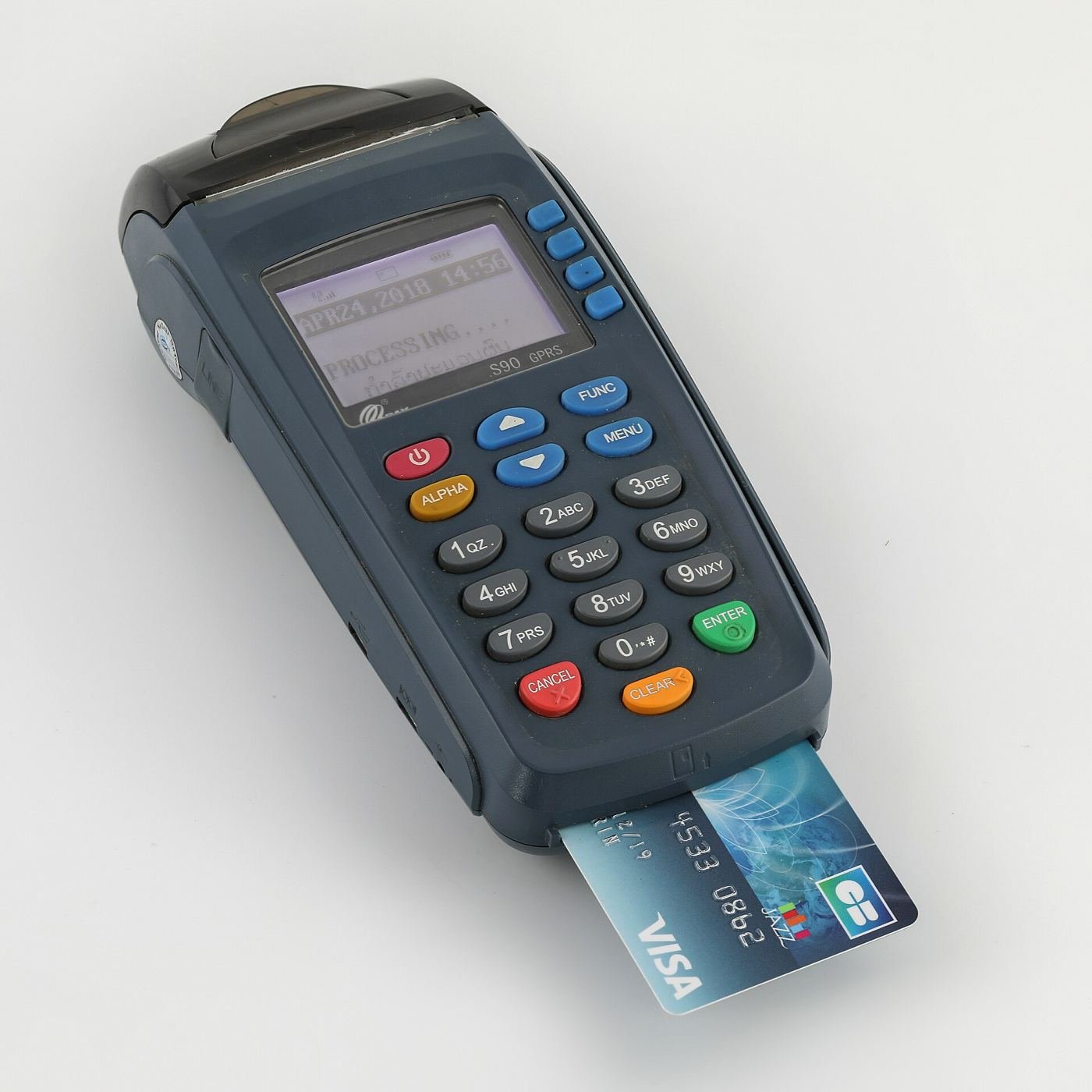
Most shoppers now pay by card or phone, and every tap carries a small fee for the shop. A single payment costs only a few pence, but across a busy December the fees add up to a real sum, quietly eating into the margin on every sale. Many small firms signed their card contract years ago and have never compared it, even though newer deals often charge a lower percentage or a flat monthly rate with no charge per sale. The difference matters most at Christmas, when takings are at their highest and a fraction of a percent is worth hundreds of pounds. A firm that checks its fees before the rush keeps more of each sale, and the saving repeats every month of the year, not just in December.
What the Evidence Shows
Comparing deals starts with the firm’s own numbers. The owner should add up a month of card takings and the fees paid, then ask two or three providers what the same month would cost with them. The cheapest headline rate is not always the best deal, since some contracts add charges for the card machine, for refunds or for going over a limit. A firm that takes many small payments should watch the charge per transaction, while one that takes large payments should watch the percentage. Contracts that lock the firm in for years deserve a second look, and a short trial with a new provider is worth asking for. Moving providers is simpler than many owners expect, since the new firm usually supplies the machine and handles the switch. A careful check before Christmas pays for itself by January. Reporting and analysis from sources such as International Monetary Fund track the same developments, and specialists following card payment fees say the direction is now consistent across independent lines of evidence.
The Wider Context
The wider context is a financial system repricing risk after a long era of cheap money. Decisions shaped by card payment fees are being made under closer supervisory attention, with stress tests and disclosure rules that assume conditions can worsen quickly. Institutions that planned for the benign case are adjusting in public, which is uncomfortable and healthy in equal measure.
What Happens Next
What happens next with card payment fees will be visible first in the data that professionals watch weekly: flows, spreads and the terms on new deals. Participants who spoke for this article expect a period of adjustment rather than drama, with the biggest effects landing on those who assumed the old conditions were permanent. Planning, as ever, is the cheapest hedge. You can follow related developments in our coverage of finance.
There is a practical lesson in all of this for readers deciding what to do today. Start with the verified facts, be wary of anyone promising certainty, and prefer reversible steps while the evidence is still developing. Circumstances differ by country, income and personal situation, so general guidance should always be weighed against your own context before you act on it in any significant or lasting way.
