

Starting a skincare or supplement line is exciting, until you realize how much your packaging choice actually matters. A beautiful formula can lose potency in weeks if it sits behind the wrong glass. That is the reality a lot of small producers run into once their product hits a shelf under store lighting or a sunny windowsill at home.
What Light Exposure Actually Does to Your Product
Natural oils, active botanicals, and probiotic blends break down faster when exposed to visible light. Clear glass looks clean and modern, but it offers almost no protection. Amber glass blocks some wavelengths, yet it still lets a fair amount of light through. This is one reason more founders are looking at violet glass, which filters out most of the visible spectrum while still letting a small amount of light reach the product, something that is thought to actually help preserve certain natural compounds rather than just blocking everything out.
For a small brand, this matters because your shelf life claims need to hold up. Nobody wants a customer emailing to say their serum changed color or smell after three months in a bathroom cabinet.
Picking Packaging That Matches Your Brand Promise
If your brand talks about purity, clean ingredients, or holistic wellness, your packaging needs to back that up. A plastic bottle or a plain clear jar can undercut that message instantly, even if the formula inside is excellent. Glass designed specifically for light-sensitive products signals to customers that you thought about preservation, not just appearance.
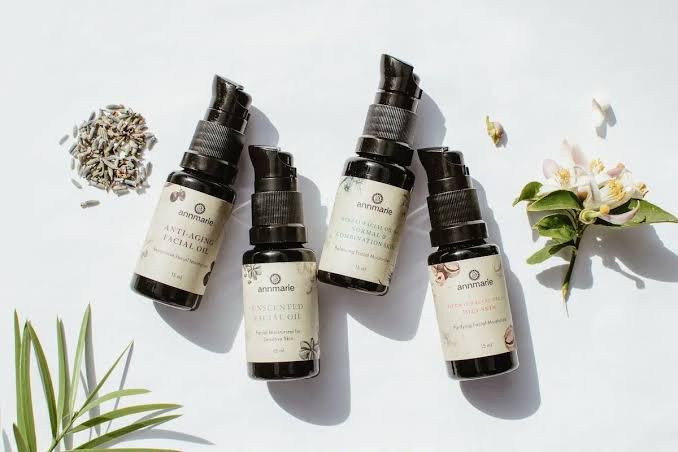
This is especially true for product lines sitting somewhere between cosmetics and wellness, like facial oils, tinctures, or herbal balms. Customers in this space tend to read labels closely and notice small details like glass color and closure type.
Bottles, Jars, and the Practical Side of Growing a Line
Most small producers start with one or two formats and expand as demand grows. Bottles work well for liquids like serums, tonics, and tinctures, while thicker creams, balms, and powders usually need something wider mouthed. For those products, apothecary jars are a practical option since they combine a wide opening for easy scooping with the same light protection you get from bottles. Switching formats later on is common, but it helps to think early about which closures and sizes you will actually need as your line grows past a handful of products.
Samples and Custom Options for Growing Brands
One thing that trips up a lot of first-time founders is ordering a full production run before testing how a product actually looks and feels in its final packaging. Requesting sample units first lets you check fit, labeling space, and closure type before committing to bigger quantities. Custom cap colors, pump mechanisms, or dropper sizes are usually available too, which matters if your brand relies on a consistent unboxing experience.
For a business still finding its footing, this low-commitment way of testing packaging can save real money down the line. It also gives you room to adjust before a bigger order locks in your choices, especially once you start comparing suppliers that keep stock closer to your main markets to shorten shipping times and avoid delays during busy seasons.
