

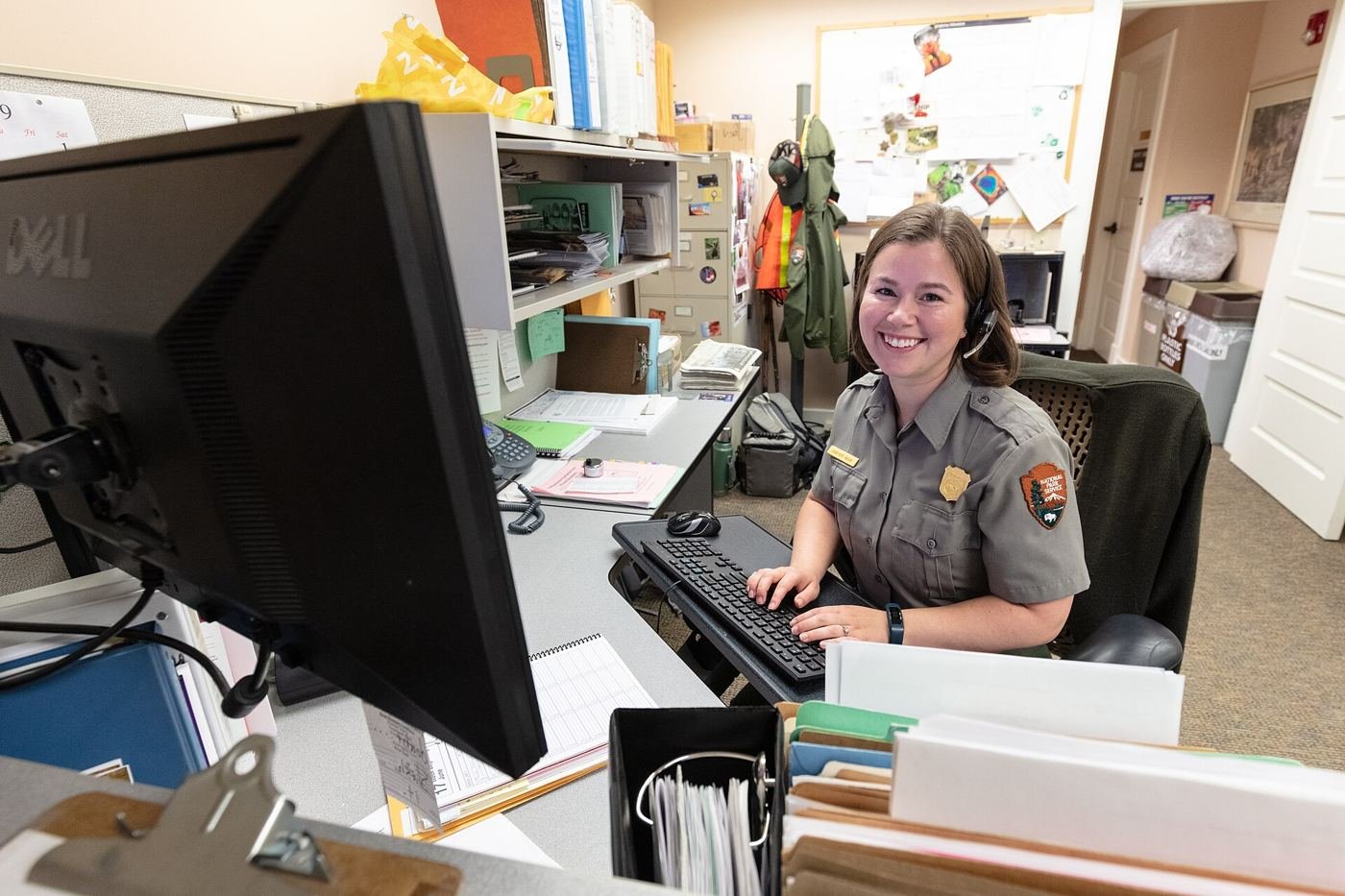
More than four in ten calls to a small business never reach a person, and every missed call can be a lost customer. A caller who hears ringing and then voicemail often tries the next firm on the list instead of leaving a message, and the owner only discovers the loss when the month’s takings fall short. AI voice receptionists have arrived to close that gap. The software answers the firm’s own phone number, greets the caller in natural speech, books appointments, takes messages and logs the details in the firm’s records. Comparison site CloudTalk, which reviewed fourteen such tools in November 2026, found entry prices from about twenty-five dollars a month, putting the technology within reach of a one-person firm.
What the Evidence Shows
Keep the job narrow: a receptionist that only books appointments, answers opening hours and takes messages will serve callers well, while one asked to give advice or quote prices will soon make mistakes. The owner should connect the tool to the real calendar, so it never books a slot that is already taken, and should set a clear rule for handing urgent calls to a person, with a short summary so nothing is repeated. Prices vary widely: some charge by the month, some by the minute and some by the caller, so the owner should count a typical month’s calls before choosing. A trial month will show whether customers accept the voice or hang up, and that answer matters more than any feature list. Reporting and analysis from sources such as Wired track the same developments, and specialists following AI voice receptionists say the direction is now consistent across independent lines of evidence.
The Wider Context
The wider context is an industry learning to ship capability and restraint together. Products built around AI voice receptionists now launch with safety evaluations, usage data and rollback plans as standard, because enterprise buyers and regulators ask for them in the first meeting. Companies that treated those questions as friction are discovering they have become the purchase criteria.
What Happens Next
What happens next for AI voice receptionists depends less on another breakthrough than on the unglamorous work of reliability, pricing and support. The buyers evaluating it now are not enthusiasts; they are operators with budgets and auditors, and their checklists will decide the timeline. On the evidence of the current pilots, the technology has earned the right to be judged by them. You can follow related developments in our coverage of technology.
None of this will be settled by a single announcement, study or product launch. The pattern to watch is accumulation: independent confirmations, honest reporting of failures and steady improvement in the underlying numbers. Readers who follow those signals, rather than the loudest claim of the week, will understand this subject better than most of the commentary surrounding it suggests is possible.
