

Customer experience is not created by one department or one customer service interaction. It is shaped by the way an organization leads its people, builds its culture, communicates its purpose, and delivers on its brand promise.
Choosing the right customer experience speaker can help employees and leaders understand how their everyday actions influence the way customers see and remember a business.
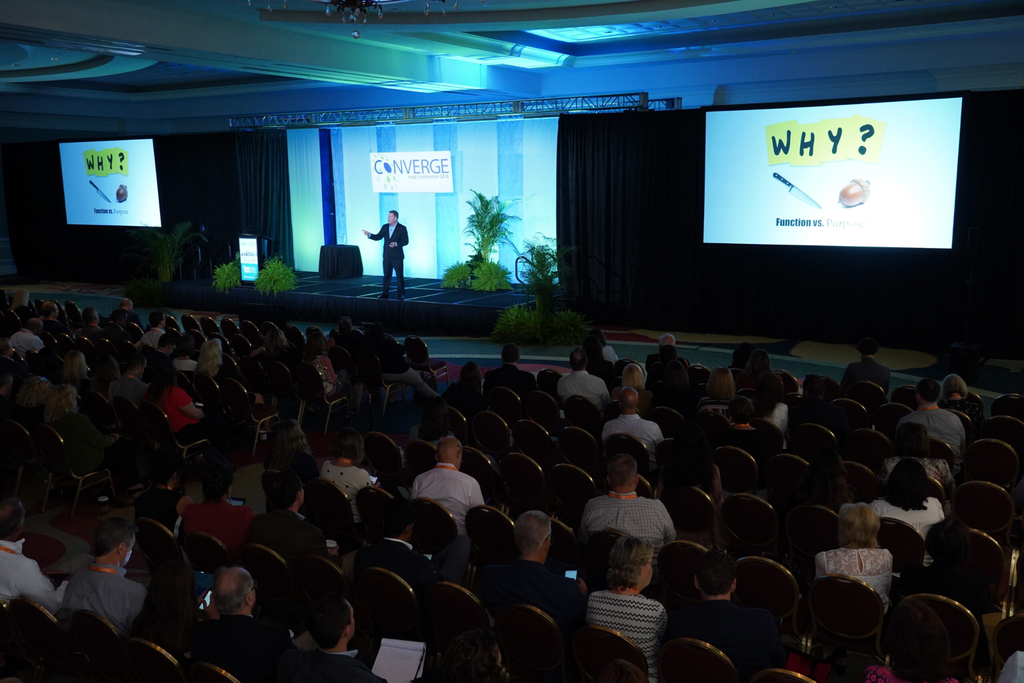
Scott Deming brings customer service, customer loyalty, leadership, culture, process, and brand distinction together in one clear message. His programs are designed to help organizations move beyond ordinary service and create experiences that build stronger customer relationships.
His approach is not simply about making employees more enthusiastic. It is about changing the way people think about the customer and the role they play in creating a memorable experience.
Customer Experience Starts With the Organization
The customer sees the final experience, but much of that experience is created behind the scenes.
Leadership decisions influence employees. Internal communication affects how teams work together. Processes affect how quickly and consistently customers are served. Culture shapes the way people behave when no one is watching.
Scott Deming helps organizations see these connections.
Customer experience becomes stronger when employees understand that their work affects more than their own department. Even a team member who never speaks directly with a customer can influence the final experience through decisions, communication, processes, and internal service.
This creates a wider view of customer service.
Instead of asking one department to take responsibility for the customer, the organization begins to understand that customer experience belongs to everyone.
More Than Traditional Customer Service
Customer service is an important part of the experience, but it is only one part.
A customer may remember the way an employee helped solve a problem. They may also remember how easy the company was to work with, how clearly it communicated, and whether the experience matched what the brand promised.
Scott’s work focuses on creating experiences that go beyond basic service.
The goal is not only to complete a transaction. It is to create a relationship that customers value and remember.
That requires employees to understand the larger purpose behind what they do.
It also requires leaders to build an environment where people can work together toward a common customer-focused goal.
Why the Right Customer Experience Speaker Matters
A keynote should do more than fill an hour on an event schedule.
The audience should leave with a clearer understanding of what needs to change and why that change matters.
Scott Deming uses business experience, storytelling, practical ideas, and clear concepts to help audiences look at customer experience differently.
His message connects customer experience with the way organizations operate internally.
This makes the topic relevant to leaders, managers, customer service teams, sales teams, and employees who work behind the scenes.
A strong presentation helps people see that customer loyalty does not start with a script. It starts with culture, purpose, leadership, and consistent behavior across the organization.
Moving From Customer Satisfaction to Customer Loyalty
One of Scott Deming’s central customer experience themes is the difference between satisfaction and loyalty.
A satisfied customer may feel that the company met expectations. That does not always mean the customer has developed a strong relationship with the brand.
Loyalty goes further.
It grows when customers remember the experience, trust the organization, and feel a stronger connection to the brand.
Scott encourages organizations to think beyond the immediate transaction.
Completing a task is important, but teams should also consider what the experience communicates to the customer.
Did the interaction strengthen trust?
Did the customer feel valued?
Did the experience support the brand promise?
These questions help move the focus from basic customer service toward long-term relationships.
Creating a Customer-Centric Culture
Customer experience cannot be separated from company culture.
Employees need to understand what the organization stands for and what kind of experience they are expected to create.
Scott connects customer experience with culture because the two influence each other every day.
If employees are unclear about the organization’s purpose, it becomes difficult to create consistency.
If departments work separately without understanding how their actions affect one another, the customer may experience those gaps.
A stronger culture gives employees a shared direction.
People understand the goal, leaders reinforce it, and departments can work together with greater alignment.
Customer service then becomes part of the culture rather than simply a set of rules.
Leadership Shapes Customer Experience
Leadership is another important part of Scott Deming’s work.
Leaders influence the way employees communicate, make decisions, and treat one another. These internal behaviors can eventually shape the customer experience.
A leader can help create clarity around what the organization represents and what customers should experience.
Managers can reinforce those expectations through everyday communication and behavior.
When leaders and employees understand the same purpose, the organization has a stronger foundation for creating consistent experiences.
This is why Scott’s customer experience message is relevant to more than front-line teams.
Customer experience begins with the way an organization is led.
Customer Experience and Brand Distinction
A brand is much more than its logo or marketing message.
Customers experience the brand through every interaction they have with the organization.
Scott Deming connects customer experience with brand distinction because the experience can become one of the strongest ways a company is remembered.
The organization may promise great service, but the real test is whether customers actually experience that promise.
Employees therefore play an important role in bringing the brand to life.
When teams understand what the brand represents and how they contribute to it, they can create a more consistent experience.
That consistency helps strengthen the relationship between the customer and the organization.
Practical Value Beyond Motivation
A strong customer experience speaker should give an audience more than energy.
The presentation should help people think differently about the work they do after they return to their normal roles.
Scott’s programs are designed around that idea.
Employees can begin to recognize how their actions affect the larger customer relationship. Managers can think more carefully about the culture they create. Leaders can see the connection between organizational direction and the experience customers receive.
The presentation can also give teams a shared language.
When everyone understands the same ideas about customer loyalty, service, culture, and purpose, those ideas become easier to discuss inside the organization.
That allows the message to continue beyond the event.
The Role of Process
Customer experience should not depend entirely on one exceptional employee.
Organizations also need processes that help people create consistent experiences.
Scott Deming includes process as part of his customer experience message.
Processes can make it easier for employees to serve customers effectively. They can also help different departments work together more clearly.
A poor handoff between teams can affect the customer even when the customer never sees what happened internally.
A strong process can reduce those gaps.
Scott’s approach keeps process connected to people.
Processes support consistency, while employees bring the experience to life through judgment, communication, and behavior.
Seeing the Organization Through the Customer’s Eyes
People inside an organization naturally understand its systems and procedures.
Customers do not see the business from the same perspective.
Scott’s work includes the idea of perceptual reality: the way an organization sees itself may be different from the way customers experience it.
This difference matters.
A company may believe a process is simple because employees use it every day. A customer may see the same process as confusing.
A business may believe it communicates clearly while customers experience uncertainty.
Looking at the organization from the customer’s point of view helps teams identify these differences.
The question becomes more than, “What do we believe we deliver?”
It becomes, “What does the customer actually experience?”
One Team, One Experience
Customers usually do not think about the internal structure of a company.
They experience one organization.
That means different departments need to understand how their work connects.
Sales may create an expectation that another team must deliver. Customer service may depend on information from another department. Leadership decisions may affect the tools employees have available.
If those parts do not work together, the customer can feel the disconnect.
Scott’s work on culture and leadership supports greater alignment across the organization.
The goal is to create one team working toward one clear customer experience.
Keynotes, Training, and Consulting
Organizations may need different levels of support.
A keynote can introduce a strong idea and create a shared message for a large audience.
Training can take the conversation deeper and help teams explore customer service, leadership, culture, communication, and customer experience in greater detail.
Scott Deming also provides seminars, virtual training, and business consulting.
These options allow an organization to continue the work beyond a single event.
A company may begin with a keynote and then use training or consulting to develop the ideas further.
This makes the customer experience message part of a larger organizational effort rather than a one-time presentation.
A Customer Experience Speaker for Leaders and Teams
Customer experience affects different people in different ways.
Senior leaders influence direction and culture.
Managers influence communication and accountability.
Customer service teams interact directly with customers.
Sales teams help create expectations.
Employees behind the scenes support the processes that make those experiences possible.
Scott’s message connects these roles.
Everyone may have different responsibilities, but each person can contribute to the way customers experience the organization.
That shared responsibility is an important part of building a customer-focused culture.
Choosing the Right Customer Experience Speaker for Your Event
Selecting a speaker should begin with the outcome you want from the event.
Do you want employees to think differently about customer service?
Do you want leaders to better understand their influence on culture?
Do you want teams to focus more strongly on customer loyalty?
Do you want people across the organization to understand how their roles connect?
Scott Deming’s programs bring these areas together.
His work focuses on customer experience, customer service, leadership, culture, loyalty, process, and brand distinction.
This creates a message that can reach different levels of an organization without treating customer experience as the responsibility of one department.
From Ordinary Service to Memorable Experiences
Ordinary service may meet a customer’s expectations.
A memorable experience creates a stronger impression.
Scott Deming helps organizations understand what it takes to move from one to the other.
That change begins inside the business.
Employees need purpose. Leaders need alignment. Teams need to understand how they affect one another. Processes need to support the experience. The brand promise needs to match what customers actually receive.
When these elements work together, customer experience becomes more than a service initiative.
It becomes part of the organization’s identity.
Bring Scott Deming to Your Next Event
For organizations looking for a customer experience speaker, Scott Deming brings customer loyalty, leadership, culture, customer service, process, and brand distinction together in one focused message.
His approach helps audiences understand that memorable customer experiences are created by the entire organization.
The goal is not only to improve one interaction.
It is to build stronger relationships, create a more purposeful culture, and help employees understand how their work influences the customer.
Through keynotes, seminars, training, virtual programs, and consulting, Scott helps organizations move beyond ordinary customer service and toward experiences that customers remember.
