

Understanding the Role of Heat Recovery in Modern HVAC Systems
Heating, ventilation and air conditioning systems play an important role in maintaining comfortable and healthy indoor environments. However, supplying fresh outdoor air and conditioning it to the required indoor temperature can increase energy consumption. This is particularly important in buildings that require continuous ventilation, such as hospitals, offices, educational facilities, hotels and commercial spaces.
Heat recovery technology helps address this challenge by transferring energy between outgoing exhaust air and incoming fresh air. Instead of allowing all the energy in exhausted air to go to waste, an air-to-air heat exchanger can recover a portion of it and use it to pre-condition the incoming air.
Modern heat recovery wheels can transfer both sensible heat and latent energy, depending on their design. This allows HVAC systems to manage temperature and moisture more effectively while reducing the load on heating and cooling equipment. Understanding how these systems operate can help building owners and HVAC professionals make informed decisions about ventilation efficiency.
What Are Heat Recovery Wheels and How Do They Work?
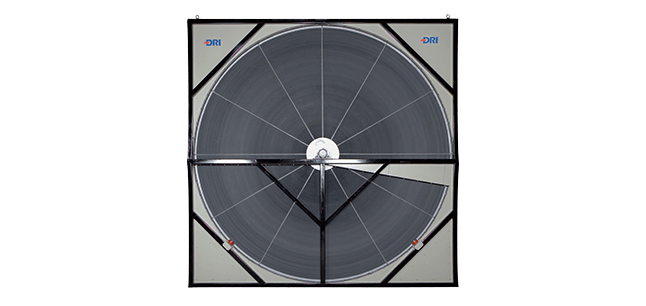
Heat recovery wheels are rotary air-to-air heat exchangers installed within ventilation or air-handling systems. They consist of a rotating wheel positioned between two separate air streams: incoming outdoor air and outgoing exhaust air.
As the wheel rotates, one section passes through the exhaust air stream and absorbs energy. It then moves into the incoming air stream, where the stored energy is transferred to the fresh air. This continuous process helps reduce the difference between outdoor air conditions and the required supply air conditions.
Sensible Heat Transfer
Sensible heat refers to energy that changes air temperature without changing its moisture content. During colder conditions, warmer exhaust air transfers heat to the wheel, which subsequently releases that energy into the incoming outdoor air.
During warmer conditions, the process can help transfer heat from incoming air to the cooler exhaust stream. The exact direction and amount of energy transfer depend on the temperature conditions on both sides of the system.
Latent Energy Transfer
Latent energy is associated with moisture in the air. Total energy recovery wheels use specialised desiccant materials to transfer moisture between air streams.
In Bry-Air’s EcoFresh design, a molecular sieve desiccant coating is applied to an aluminium substrate. The desiccant selectively adsorbs moisture from the air stream with a higher humidity ratio and releases it into the other stream. This supports humidity control alongside temperature management.
What Are the Main Benefits of Energy Recovery Wheels?
Energy recovery technology offers several advantages when properly selected and integrated into an HVAC system. Its contribution depends on the building’s ventilation requirements, climate, airflow and operating schedule.
Reduced Heating and Cooling Demand
Conditioning outdoor air requires energy. When incoming air is pre-conditioned through recovered energy, heating and cooling equipment may need to perform less work to reach the desired supply conditions.
This can reduce the thermal load on chillers, heating coils and other HVAC components. The actual energy savings depend on operating conditions, equipment efficiency, ventilation rates and the performance of the recovery wheel.
Improved Indoor Air Quality
Buildings require adequate outdoor air to maintain suitable indoor air quality. However, increasing ventilation can also increase the energy needed to condition that air.
Energy recovery allows facilities to introduce fresh air while recovering some of the energy from the exhaust stream. This helps balance ventilation requirements with energy efficiency. It does not replace the need for suitable filtration, ventilation design or contaminant control.
Better Humidity Management
Humidity can influence indoor comfort, material stability and the performance of certain building environments. A total energy recovery wheel transfers moisture as well as heat, helping reduce the humidity-conditioning load.
This can be particularly useful in climates where outdoor humidity varies significantly or where indoor humidity needs to remain within a defined operating range.
Retrofit Flexibility
Energy recovery wheels can be integrated into new air-handling systems and may also be suitable for retrofitting existing ventilation equipment. Bry-Air identifies retrofit options as one of the features of its EcoFresh product range. The suitability of a retrofit depends on available space, duct configuration, airflow requirements and the condition of the existing HVAC system.
Which Features Should You Evaluate When Selecting an Energy Recovery Wheel?
Selecting a rotary heat exchanger requires more than comparing dimensions or advertised recovery figures. Its construction, sealing, desiccant properties and airflow characteristics all influence performance.
Desiccant-Coated Aluminium Substrate
Bry-Air’s EcoFresh wheel uses an aluminium substrate coated with a molecular sieve desiccant. The aluminium structure supports sensible heat transfer, while the desiccant coating enables moisture transfer.
The manufacturer highlights Molecular Sieve 3A in its MS270A series. Its selective moisture adsorption is intended to support latent energy recovery while limiting the transfer of other substances. Actual performance should be evaluated using the technical specifications relevant to the selected model.
Rotor Speed and Construction
Rotor speed influences the time the wheel spends in each air stream and therefore affects heat and moisture transfer. Bry-Air lists a design rotor speed of approximately 30 revolutions per minute for the EcoFresh product range.
The rotor is constructed from alternate flat and corrugated aluminium foil. Uniform flute geometry helps create consistent air passages, while the wheel’s structural design supports reliable operation.
Sealing and Cross-Contamination Control
Because the wheel rotates between exhaust and supply air streams, sealing arrangements are important. Poor separation can allow unwanted air transfer between the two sides.
Bry-Air describes purge-sector and sealing arrangements intended to limit cross-contamination. Its product information states that the purge section and sealing system can limit cross-contamination to 0.04% of the exhaust air concentration by volume. This is a manufacturer-stated figure and should be assessed against the specific configuration and operating conditions.
Where Are Energy Recovery Wheels Commonly Used?
Energy recovery systems can support ventilation efficiency in buildings with significant outdoor air requirements. Their suitability depends on the type of facility, the quality of exhaust air and the required indoor conditions.
Commercial Buildings and Offices
Commercial buildings often operate HVAC systems for extended periods to maintain indoor comfort and ventilation. Energy recovery can reduce the amount of heating or cooling required to condition incoming outdoor air.
Healthcare and Hospitality Facilities
Hospitals, hotels and other occupied facilities require carefully planned ventilation. Energy recovery can help manage the energy demand associated with fresh-air supply. However, system design must account for the facility’s specific hygiene, ventilation and air-separation requirements.
Educational and Recreational Buildings
Schools, colleges, sports facilities and recreational spaces can experience changing occupancy levels and ventilation demand. A properly designed energy recovery system can support efficient conditioning of outdoor air while maintaining the required ventilation strategy.
How Can You Maintain Heat Recovery Wheel Performance?
Routine maintenance helps preserve airflow, energy transfer and system reliability. Although the required maintenance schedule varies by installation, several checks are important.
Inspect the Wheel and Air Passages
Dust and debris can accumulate on the wheel surface and affect airflow. Bry-Air identifies its wheel media as cleanable with compressed air. Cleaning should follow the manufacturer’s instructions to avoid damaging the substrate, coating or rotor structure.
Check Seals and Purge Arrangements
Seals help maintain separation between supply and exhaust air streams. Regular inspection can identify wear, misalignment or damage that may affect leakage control. Purge-sector settings should also be checked according to the equipment design.
Monitor Pressure Drop and Operating Conditions
Changes in pressure drop, airflow, rotor operation or system performance can indicate that inspection or maintenance is required. Monitoring these parameters helps identify developing issues before they affect the wider HVAC system.
Conclusion
Heat recovery wheels help improve HVAC efficiency by transferring energy from exhaust air to incoming outdoor air. Depending on their design, they can recover both sensible heat and latent energy, supporting temperature management, humidity control and reduced heating or cooling demand.
Choosing the right system requires careful evaluation of airflow, climate, ventilation requirements, rotor construction, desiccant technology and cross-contamination control. Regular inspection and maintenance are equally important for maintaining reliable operation.
Bry-Air’s EcoFresh Energy Recovery Wheels are designed to support total energy recovery and indoor air quality requirements across various building applications. To discuss product specifications and identify a suitable solution for your ventilation system, visit Bry-Air’s website and Contact Us.
