

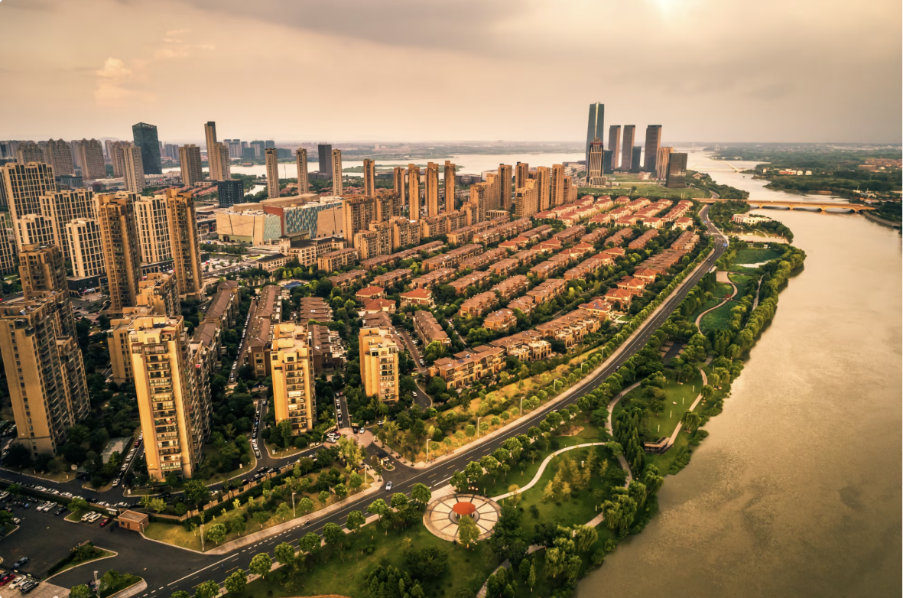
Not long ago, buying a home in Sharjah was something most expatriates avoided. Rules felt uncertain. Ownership did not always seem straightforward. So, many people preferred not to deal with it. That situation has changed quietly.
Over time, regulations became clearer. Certain areas are now open to foreign buyers, registration systems improved, and developers have become more careful. As a result, more long-term residents began to take ownership seriously. For many, the decision to buy property in Sharjah now feels realistic instead of risky. Some buyers arrive with investment plans, while others simply want stability. Both groups are growing.
Why buyers are looking at Sharjah more closely
Price is usually the first reason. Homes here still cost less than similar properties in nearby cities. That difference matters. It reduces financial pressure and gives buyers breathing room. But cost is not the only factor.
Many residents work outside Sharjah and travel daily. They accept the commute because daily life feels calmer here. Neighborhoods are quieter, schools are accessible, and parks are nearby. Over time, these small things become important.
Sharjah also avoids sudden construction booms that flood the market. Growth is slower, but that creates a more predictable demand.
Ownership options for foreign buyers
Foreign buyers today have two main options:
- In designated zones, full ownership is allowed. The property belongs to the buyer. It can be sold, leased, or transferred.
- In other locations, long-term usage rights apply. These usually last up to 100 years and can be renewed. They offer security, though not absolute ownership.
Every transaction must be registered properly. Informal arrangements create problems later. So, serious buyers avoid them.
Choosing the right area
Buyers often ask which area is “best.” There is no universal answer.
- Some prefer Al Khan for scenic views and coastal access.
- Some choose Al Majaz for its parks and established atmosphere.
- Families often consider Muwaileh for schools.
- Daily commuters gravitate toward Al Nahda.
- Younger professionals lean toward Aljada.
- Luxury buyers focus on Maryam Island.
- Villa buyers explore Tilal City.
The choice depends on certain important factors, such as routine, budget, and long-term plans. Consider visiting the area before buying a property in Sharjah.
Prices and returns
Smaller apartments in older buildings often start around 300,000 AED. Mid-range units usually cost between 600,000 AED and 1 million AED, and villas and waterfront homes cost more.
Rental income varies.
In general:
- Older buildings generate higher yields
- New developments protect resale value
- Waterfront units prioritize comfort
Returns usually range from 5% to 10%.
The property buying process
The buying process is usually straightforward. Firstly, confirm that the property is in an approved area. Work with a registered professional. Next, prepare funds and related fees. Sign the sale agreement. Finally, complete registration and receive the title deed. Delays usually happen when buyers rush or ignore documentation.
Post-purchase responsibilities
Ownership does not end with payment. Owners must keep records up to date, comply with regulations, and record changes promptly. Ignoring these details causes problems later.
Observations from experienced buyers
Experienced buyers pay attention to small details.
They check:
- Maintenance quality
- Parking availability
- Management efficiency
- Service charges
- Resale demand
They know that a low price today can mean higher costs tomorrow.
Conclusion
Buying a property in Sharjah is no longer unusual. It has become a sensible option for people who plan to stay and build stability. That said, this market does not reward shortcuts. It favors patience and careful thinking. With realistic goals and proper research, buyers can confidently buy property in Sharjah. By investing in Sharjah, buyers benefit from steady ownership in a balanced environment.
