

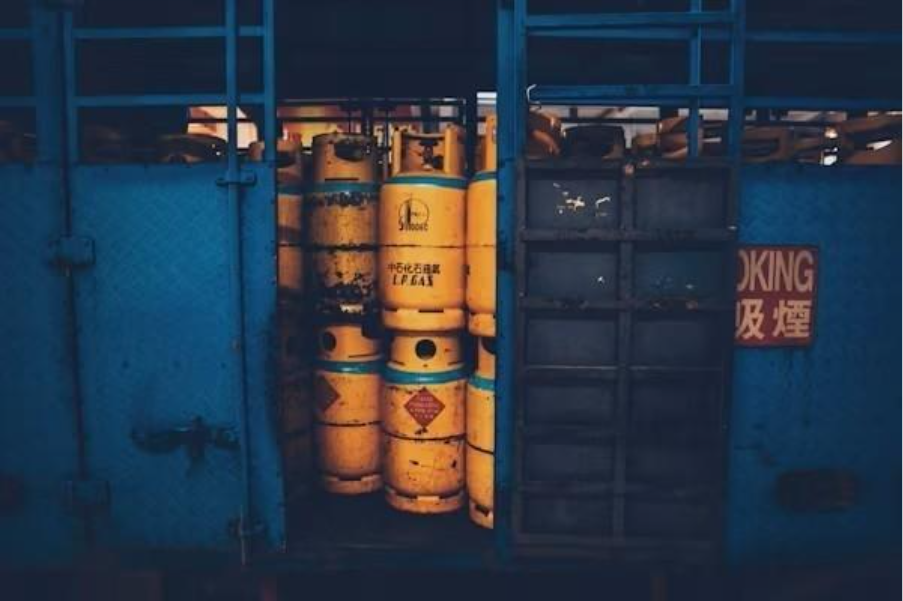
The chemical industry is fast-growing and handles a wide range of hazardous materials. Transporting these hazardous materials is a bottleneck for the chemical industry. This is because transporting such materials poses risks to people, the environment, and infrastructure.
To handle the transport of hazardous materials, the supply chain industry has introduced changes and innovations to its model for agile, safe transport. Moreover, chemical logistics is working to improve the efficiency and safety of handling and packaging hazardous materials, thereby minimizing risks.
Challenges in chemical logistics
Chemical logistics involves the transport of materials, where even small errors can lead to significant losses. The following are some of the challenges that are faced by the supply chain in the transport of chemical materials:
- Safety
When chemical materials are transported, they pose safety issues for people, infrastructure, and the environment. It is very risky to pack, handle, and transport corrosive and flammable substances. If these chemical substances are not packed or labeled properly, it can lead to health issues, leaks, or explosions. Likewise, the loading and unloading of chemical materials improperly may lead to injuries. Wrong handling of chemicals may also lead to contamination or accidental spills.
- Infrastructure limitations
There are many infrastructure limitations regarding cold chain facilities, multimodal integration, and long wait times for clearance of chemical substances, which can often lead to delayed shipments and inefficiencies in the transport of chemical products. - Regulatory compliance
Chemical logistics also faces challenges in terms of compliance standards. A lot of paperwork needs to be completed for the safe transport of chemical materials. Additionally, laws governing the transport of chemical substances are constantly changing. It is important for the chemical industry to keep abreast of these laws. If the industry fails to do so, the entire shipment can be confiscated or delayed.
- Environmental concerns
One of the main challenges of transporting hazardous substances is ensuring that the environment is not adversely impacted. It is important that chemical materials be disposed of safely and properly, without harming the environment. Likewise, transporting chemical products in an eco-friendly manner to reduce carbon footprint poses a significant challenge.
Innovations in chemical logistics
To address the challenges of transporting chemical and hazardous products, the supply chain industry is developing several innovations. These innovations rely on technology and are making the transport of chemical materials safer, easier, and more convenient. Some innovations that the chemical industry is using include:
- Real-time tracking of shipments, as well as temperature and shock monitoring, so that alerts can be triggered if the chemical substances pose a danger during shipment.
- Automated validation and checking of compliance documents. Additionally, automated safety data and automated labelling of materials are used to ensure there are no errors in shipments.
- Warehouse automation with equipment and technology that can minimize worker exposure. For example, the use of machine-assisted picking of hazardous materials, automated conveyors, and sensory segregation and storage of the various chemical materials.
- Using autonomous mobile robots to handle the loading and unloading of chemical materials. This helps reduce human exposure to chemical substances, making the shipment of chemical goods safer.
- Using biodegradable and reusable packaging to minimize waste.
- Using automated inventory management and route optimization software for efficient transport of chemical products.
To sum it up
The supply chain industry deals with a wide range of products. The transport of chemical substances is a major challenge for the supply chain industry, as these materials pose risks to health and the environment. However, technological innovations are helping in the effective transport of hazardous substances in a safe and compliant manner.
