

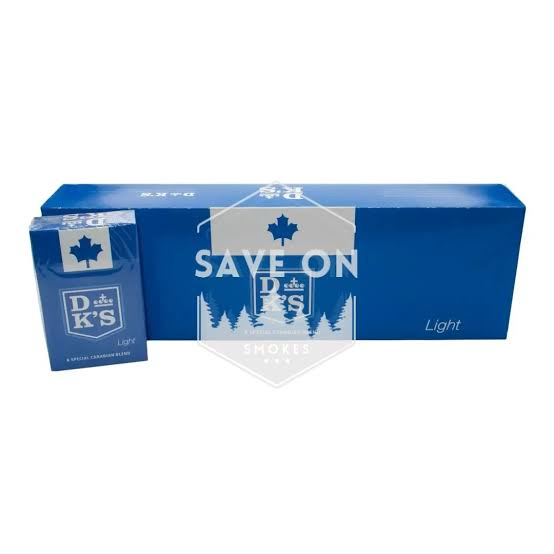
Cigarette products come with different characteristics based on their tobacco composition, filter design, paper materials, and manufacturing processes. Light cigarettes in Canada is a term associated with specific cigarette features, including filter ventilation and machine-measured tar and nicotine yields. Understanding these aspects provides useful information about cigarette construction, product classifications, packaging requirements, and tobacco industry standards in Canada.
What Are Light Cigarettes?
Light cigarettes are a historical product category associated with cigarettes designed to produce lower machine-measured yields of tar and nicotine under standard testing conditions.
The classification was commonly connected to differences in cigarette construction rather than a completely different type of tobacco.
Understanding the Meaning of Light
The word “light” was traditionally used to describe certain characteristics of cigarette smoke yields measured by testing machines. These measurements were influenced by several design elements, including filter ventilation and paper construction.
It is important to distinguish machine-measured yields from the amount of smoke constituents an individual actually inhales. The term does not establish that a cigarette is safer or healthier.
How the Terminology Developed
Historically, tobacco manufacturers used different descriptions to distinguish cigarette varieties. Terms such as light, mild, and low-tar became familiar in tobacco product classifications.
Over time, regulatory authorities introduced restrictions on these descriptions because they could create misleading impressions about product safety.
Key Features of Cigarette Construction
Understanding cigarette construction helps explain why different tobacco products may have different physical and technical characteristics.
1. Tobacco Blend
The tobacco blend is one of the main components of a cigarette. Different tobacco varieties and processing methods influence the product’s composition, moisture content, and physical characteristics.
Tobacco blends may vary in:
- Tobacco variety and composition
- Leaf processing methods
- Moisture content
- Cut and preparation
- Overall product consistency
These characteristics contribute to the technical composition of tobacco products.
2. Filter Design
Cigarette filters are manufactured components positioned at one end of a cigarette. They are generally made using materials designed to provide a consistent physical structure.
Filter construction can involve different materials, dimensions, and ventilation arrangements. Historically, these design variations were associated with differences in machine-measured smoke yields.
3. Cigarette Paper
Cigarette paper surrounds the tobacco filling and contributes to the product’s overall structure.
Its physical properties include:
- Paper thickness
- Porosity
- Material composition
- Burning characteristics
- Manufacturing consistency
Paper design is one of several technical elements considered during cigarette production.
4. Filter Ventilation
Filter ventilation refers to small openings incorporated into certain cigarette filters. These openings allow air to mix with smoke during machine testing.
Ventilation can influence measured smoke yields under laboratory conditions. However, machine measurements do not reliably represent an individual’s actual exposure.
Understanding Cigarette Categories in Canada
Canadian tobacco products are subject to specific regulatory requirements. Understanding the terminology used in tobacco classifications provides useful background about the market.
Historical Cigarette Categories
Different cigarette descriptions have historically been used to distinguish products according to their characteristics.
Some familiar terms include:
- Regular cigarettes: A traditional classification used to describe conventional cigarette products.
- Light cigarettes: A historical designation associated with lower machine-measured smoke yields.
- Mild cigarettes: A historical marketing description associated with particular product characteristics.
- Low-tar cigarettes: A term historically connected to machine-measured tar yields.
These descriptions are useful when studying the development of tobacco product terminology. They should not be interpreted as indicators of reduced health risks.
Changes in Canadian Tobacco Terminology
Canada introduced restrictions on misleading tobacco product descriptions. Terms such as light and mild are restricted in tobacco product labelling and promotion.
Consequently, these expressions are primarily relevant when discussing historical tobacco classifications, older packaging, and the development of tobacco regulations.
Canadian Tobacco Regulations and Product Standards
Canada has established a regulatory framework governing tobacco manufacturing, packaging, labelling, and promotion.
These requirements help establish consistent standards for tobacco products sold within the country.
Tobacco Labelling Requirements
Tobacco packaging in Canada is subject to federal requirements. These include prescribed health warnings and product information.
Packaging regulations have evolved to provide consumers with standardized information and reduce the potential for misleading product descriptions.
Health Warning Regulations
Canadian tobacco packaging includes prominent health warnings. These warnings communicate established information about the health consequences associated with tobacco use.
The requirements apply across regulated tobacco product categories.
Product Reporting and Manufacturing Standards
Tobacco manufacturers and importers are subject to applicable reporting obligations.
These may include information concerning:
- Product ingredients
- Tobacco composition
- Emissions
- Manufacturing details
- Product characteristics
Such requirements contribute to regulatory oversight and tobacco product monitoring.
How Tobacco Product Information Is Evaluated
Tobacco products can be examined through several technical and regulatory factors.
Laboratory Testing
Laboratory testing is used to evaluate specific product characteristics under standardized conditions.
Depending on the applicable requirements, testing may examine smoke constituents, product composition, and other measurable properties.
Packaging and Product Identification
Packaging provides information about the product category, manufacturer details, required warnings, and other legally prescribed information.
Standardized packaging requirements also help create consistency across the Canadian tobacco market.
Understanding Machine-Measured Yields
Machine-measured tar and nicotine yields are obtained through controlled testing procedures.
These figures describe test results under particular conditions. They should not be treated as measurements of an individual’s actual intake or exposure.
The Evolution of Tobacco Product Design
Cigarette manufacturing has undergone several changes over the decades. Developments in materials, filtration systems, paper technology, and manufacturing equipment have influenced product construction.
Changes in Filter Technology
Filter technology has developed through changes in materials and physical design. Different filter structures have been studied for their effects on measurable smoke characteristics.
Manufacturing Consistency
Modern manufacturing processes use standardized equipment and quality-control procedures to monitor product dimensions, material composition, and production consistency.
Regulatory Influence on Product Development
Regulatory requirements have also influenced how tobacco products are described, packaged, tested, and marketed in Canada.
These developments are important when examining the history of cigarette design and tobacco industry standards.
Conclusion
Understanding light cigarettes in Canada requires examining their historical classification, technical construction, and the regulations governing tobacco products. Features such as tobacco blends, filters, cigarette paper, and ventilation help explain how different cigarette designs have been developed and evaluated. Canada’s tobacco regulatory framework has also shaped product terminology, packaging, and reporting requirements. Looking at these elements together provides a clearer understanding of the historical and technical background of light cigarette classifications within the Canadian tobacco market.
