

|
Plagiarism Check |
YES |
|
Grammarly Score |
100 |
|
Writeup Conforms to Client Services/Products |
YES |
|
Guidelines Followed |
YES |
|
Image related to the topic |
YES |
|
US/UK English |
UK |
|
PGP/GB ID |
sg1ocaTam |
|
Focus Keyword |
apartment cleaning services dublin |
|
Focus URL |
Spotting Damp and Mould Early in a Dublin Apartment
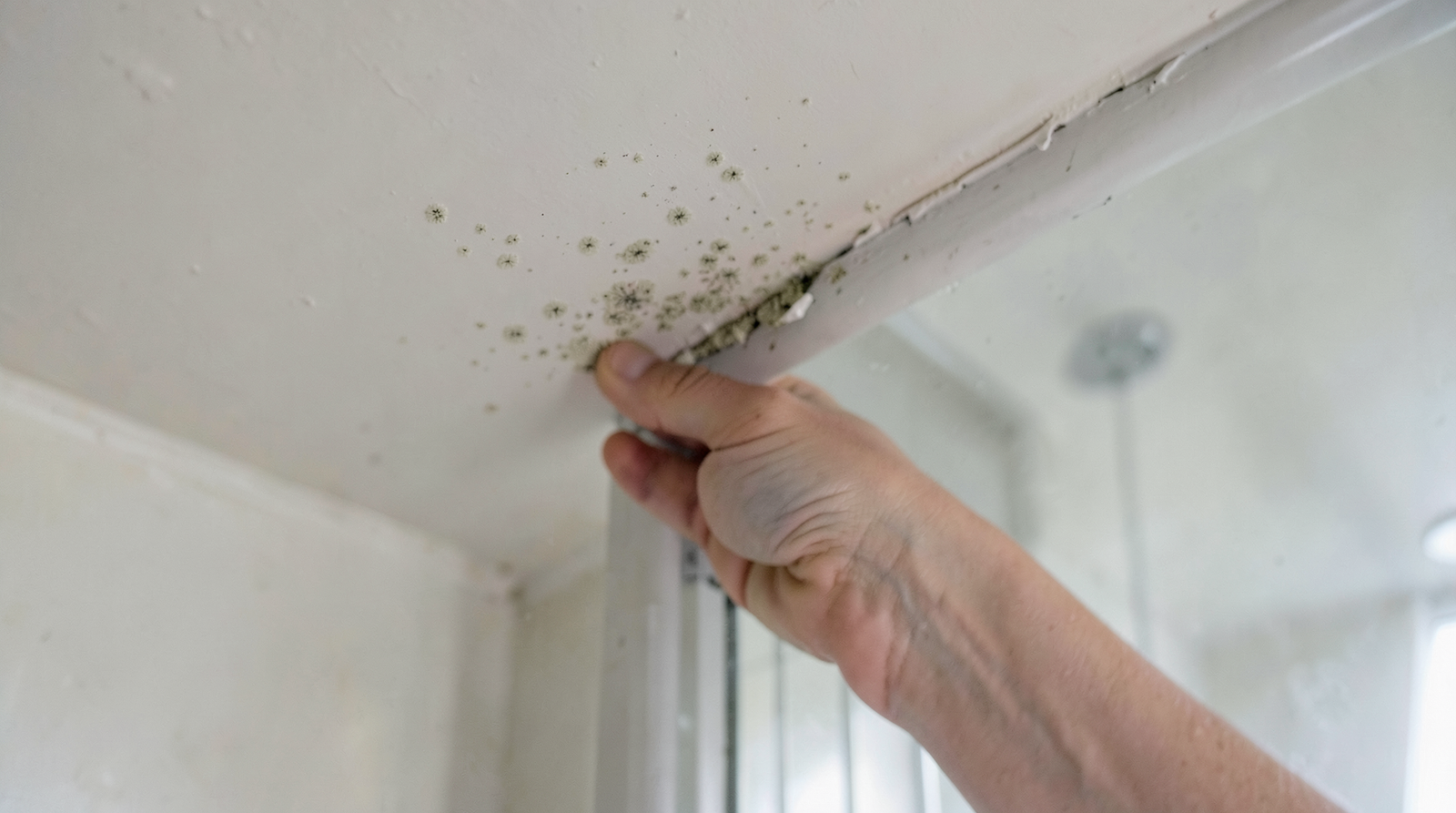
A faint musty smell near the bathroom door, or a grey fleck in a bedroom corner, is easy to wipe away and forget. That's often how a damp problem begins in an apartment, where moisture can build quietly behind furniture or around a cold window reveal. The question is whether the mark points to a surface cleaning issue or moisture that keeps returning.
Once the cause is under control, keeping a small flat clean and properly ventilated is still an ongoing job, and some residents use apartment cleaning services Dublin for regular cleaning. A clear bathroom corner or window ledge makes fresh spotting easier to notice. Cleaning won't cure a cold wall or a failed extractor fan.
Check the pattern first. This guide helps you check the places that reveal trouble early, reduce the moisture you can control and recognise when a landlord or an Owners' Management Company, usually called an OMC, needs to deal with the cause.
Why Apartments Are Prone to It
Compact flats give moisture less room to disperse after showering, cooking or drying laundry indoors. A bathroom without a window has no direct route for humid air to escape, and a shared ventilation arrangement can leave residents unsure which fan, duct or grille is actually working. Closed windows and tightly shut internal doors can keep damp air circulating through the same small rooms.
Trouble usually appears where warm indoor air meets a colder surface. Water droplets form on glass because they are easy to see, but the same moisture can settle on a poorly insulated corner or behind a wardrobe pressed against an external wall. In a compact apartment, that hidden patch can stay damp long after the bathroom mirror has cleared.
Where to Check First
A surveyor starts with surfaces that are cold, enclosed or poorly ventilated. Check the lower corners of external walls, the plaster around window frames and the ceiling above the shower. Look along the line where wall meets skirting board, especially where paint has changed colour, bubbled or begun to lift.
Furniture often conceals the more telling signs. Pull a wardrobe or chest slightly away from an outer wall and inspect the wall face, the back panel and the floor beneath it. A stale smell in that gap deserves attention, even if the room seems dry when you enter.
Don't assume an extractor is doing its job because it makes a noise. Look for staining around the grille, steam that lingers after bathing and moisture collecting on nearby surfaces. A fan can run without shifting much air, leaving the bathroom in the same damp cycle each day.
Daily Habits That Cut the Risk
The daily routine is plain, but it needs to happen before moisture settles into corners. Use the bathroom ventilation route after showering, wipe water from windows when it appears and keep air vents clear of clothes or storage boxes. If a window has a trickle vent, don't seal it because it feels draughty.
Background warmth matters too. A flat heated briefly and then allowed to go cold gives moisture more cold surfaces to settle on, especially around glazing and external walls. The aim is to avoid leaving wet air against cold finishes for long periods without overheating the home.
Watch what changes when you alter a habit. If bedroom-window condensation eases after you clear a vent, airflow was likely part of the problem. If water still gathers in the same place and mould returns after regular cleaning, it has moved beyond day-to-day housekeeping.
Why Mould Is a Health Issue
Mould can appear as an untidy mark on painted plaster. Ireland's workplace health and safety regulator includes moulds among the biological agents it addresses, a reminder that mould shouldn't be treated as a purely cosmetic nuisance. The regulator's remit is workplace safety, rather than apartment tenancy, but the classification indicates that a stained corner deserves attention.
A small mark doesn't prove there is a serious building defect. It does mean recurring growth shouldn't be accepted as normal apartment living. Clean the visible surface as part of your routine, then see whether the mark returns in the same place after the room has been aired and dried.
Location gives you useful clues. Spotting beside a wet shower area may reflect moisture left after use, while a persistent patch on a cold bedroom wall calls for a closer look at ventilation, heating and the wall itself. What matters is the repeat pattern, not one isolated wipe-down.
When It Needs Reporting
Report the problem when damp keeps returning despite sensible ventilation and regular cleaning, or when you find it behind fixed fittings, around a window frame or beneath peeling paint. A resident can dry a surface and clear a vent, but they can't inspect a concealed leak, repair a shared duct or correct a fault within a wall. Take photographs that show the location and note whether the mark returns after showering or wet weather.
For tenants, the first report should go to the landlord or managing agent in writing. In a fob-access block, include the flat location, affected room and any details needed to arrange entry. If the problem may involve a shared part of the building, ask whether the managing agent needs to raise it with the OMC.
Tenants can also contact a free tenancy advice service for confidential help with housing problems, including repair concerns. That can help when a report has gone unanswered or when you need to set out the issue clearly. Keep copies of messages, photographs and the dates when the mould returned.
Where to Start
Treat visible mould as a prompt to investigate, rather than a stain to hide. A surface mark that clears and stays gone after better ventilation may be manageable through cleaning and everyday habits. Damp that returns in the same corner, spreads behind furniture or appears alongside damaged finishes needs to be reported so the cause can be checked.
Begin with the bathroom, window reveals and the wall behind large furniture. Check those areas this week, photograph anything that returns and report persistent damp in writing.
