

|
Plagiarism Check |
Done |
|
Grammarly Score |
99 |
|
Writeup Conforms to Client Services/Products |
Yes |
|
Guidelines Followed |
Yes |
|
Image related to the topic |
Done |
|
US/UK English |
US English |
|
PGP/GB ID |
aj21hzLac |
|
Focus Keyword |
armed security guard companies near Fort Worth |
|
Focus URL |
|
How Access Control Hardware and Security Guards Divide the Work
Comparing Your Options
A property can have card readers at every exterior door, a gate that opens by credential, and cameras aimed at the parking lot, yet still leave a property manager unsure who acts when something looks wrong. The same question comes up at HOAs, office buildings, retail sites, construction sites, and events: does the hardware reduce the need for a person, or does it give that person a clearer job?
When property managers compare armed security guard companies near Fort Worth, they may find options that combine on-site security guard services with mobile patrol coverage. The decision is less about choosing hardware or guards and more about deciding which access points need automated control, which situations need human judgment, and who responds when either layer flags a problem.
What Hardware Checks
Access control starts at the entry point. A reader checks a credential, such as a card, fob, code, or mobile pass, then sends a request to the system that controls the lock or gate. If the credential has permission for that door at that time, the lock releases and the system can record the event.
Automated gates and visitor logs serve a similar purpose. They can limit routine entry and leave a record of who used a credential or checked in, which gives a manager something to review later. An audit trail is that record of events, including entries, denied attempts, or door alarms.
The limit is context. A reader can confirm that a credential works, but it can't tell whether someone followed an employee through a door, whether a delivery driver belongs at a restricted loading area, or whether an open gate needs attention.
Hardware Limits
A door system can flag a forced opening or an access attempt that failed, but an alert still needs someone to decide what it means. A malfunctioning reader may keep an authorized employee outside. A door that stays open too long may reflect a loading task, a mechanical issue, or someone bypassing the normal entry process.
That gap between a signal and a response matters. In a federal review of access control testing, the Department of Homeland Security Office of Inspector General found vulnerabilities at airport access points tied to both technology deployment and access procedures. The finding applies to a secure aviation setting, not to DFW offices or HOAs, but it shows why equipment and procedure need to be examined together.
Hardware has physical limits as well. A camera only covers its field of view, a reader only controls the door where it is installed, and an automated gate cannot inspect a fence line after weather damages part of the perimeter. Those details shape whether a site needs an on-site post, mobile patrol, or a focused change to its access points.
Human Response
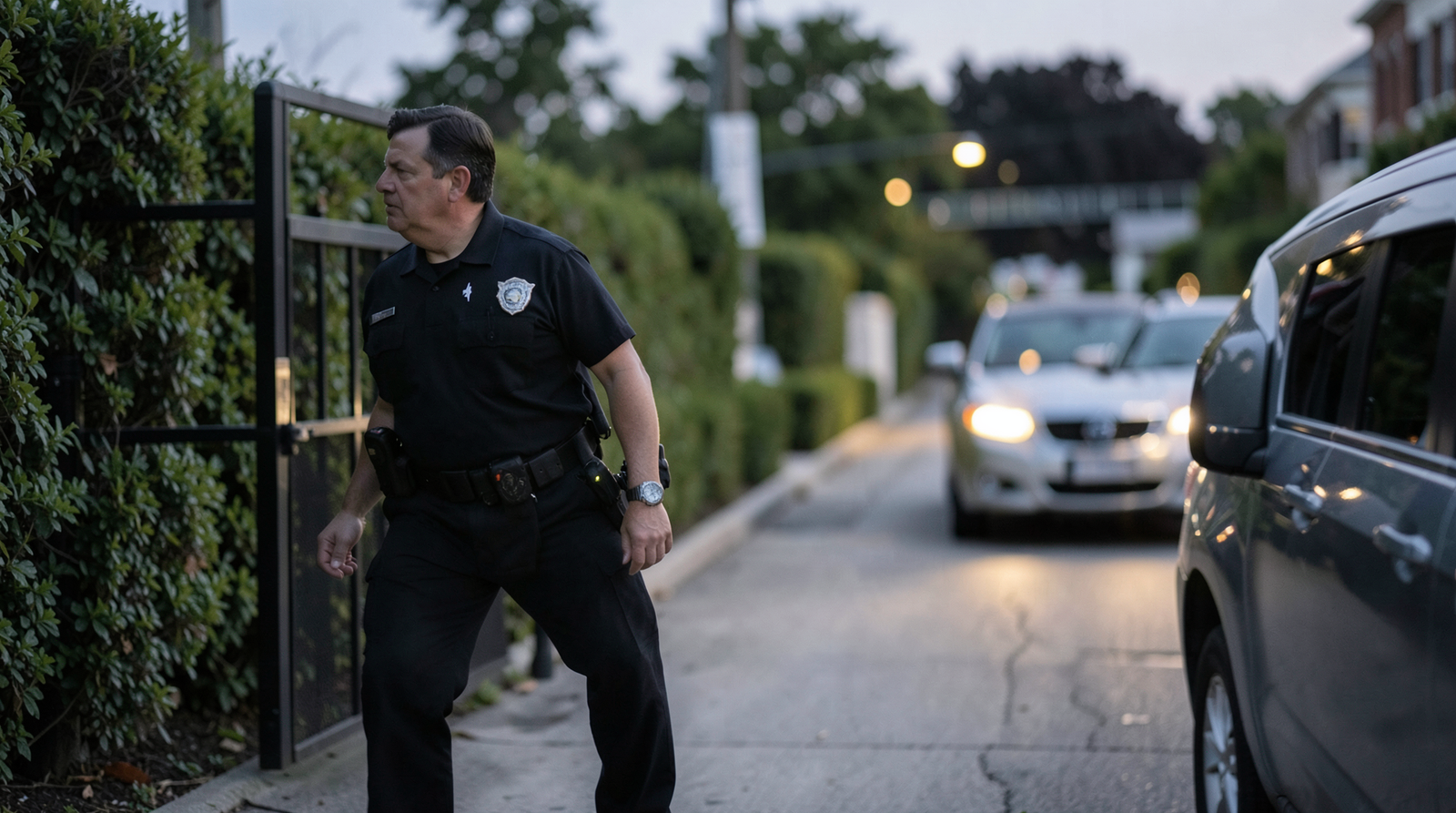
A guard brings judgment to situations that don't fit a preset rule. If a visitor follows an employee through a secured door, a guard can stop the person, verify why they are there, and direct them to the proper check-in point. The reader only recorded one valid credential.
Guards also handle the practical handoff when hardware flags something. An on-site guard can inspect a door alarm, check whether a contractor should be present after regular hours, or manage entry while a failed reader is addressed. Mobile patrol can perform scheduled checks across a larger property when a fixed post at every entrance doesn't match the site's needs.
Armed and unarmed guards are separate decisions from the choice to install a reader or gate. A risk assessment should consider the property's activity, layout, operating hours, and the role a guard is expected to fill. A quiet office lobby and an active construction site raise different access-control questions.
Coordinated Oversight
A workable plan assigns ownership before an issue happens. Someone needs to know who receives door alarms, who can approve a temporary credential, who contacts a guard when a gate fails, and who reviews repeated denied entries. Without that structure, access records can pile up while nobody is responsible for acting on patterns they reveal.
Reviewing controls isn't a new idea. A federal publication from 1988 treated auditing controls and security as a documented discipline, though that older material shouldn't be treated as a modern hardware standard. The practical point remains that a property should check whether its procedures still match the doors, gates, staffing, and access rules actually in use.
One Texas school district offers an example of coordinated oversight in a specific setting. How one Texas school district oversees its armed guards describes guards working under safety and security leadership with defined training and background-check requirements. That is a K-12 structure, not a model that automatically applies to a commercial property or HOA, but it illustrates why guard coverage and security infrastructure need shared oversight.
Questions for Providers
Before adding equipment or security guard services, describe the property as it operates on an ordinary day and after hours. A provider needs to know which doors receive deliveries, when residents or employees arrive, where visitors park, and whether a patrol route can reach a flagged access point in time to respond.
Ask direct questions about the handoffs:
- Who responds if a reader, gate, or lock fails?
- Who checks a forced-door alarm or repeated denied entry?
- Is coverage based on an on-site guard post or mobile patrol visits?
- How are visitor logs and access records reviewed after an issue?
- Which entrances need a human presence during busy periods?
The answers should connect staff responsibilities to the property's actual access points. A plan that names equipment without naming the response process leaves too much unresolved when a door alarm sounds or a visitor arrives outside normal hours.
Where to Start
Access control hardware handles repeatable entry decisions and creates records. Guards and patrols bring observation, response, and judgment when a situation falls outside those rules. Neither layer has to cover every problem alone, but they need clear boundaries and a shared response plan.
Start with the entry points that create the most uncertainty, whether that is an HOA gate, an office lobby, a retail rear door, or a construction-site perimeter. Write down what the hardware can see, what it can record, and who should respond when it fails or flags an issue. Call or message a security provider to request a quote and risk assessment.
