

|
Plagiarism Check |
Yes |
|
Grammarly Check |
100 |
|
Writeup Conforms to Client Services/Products |
Yes |
|
Guidelines Followed |
Yes |
|
Image related to the topic |
Yes |
|
US/UK English |
US |
|
PGP/GB ID |
ACS61un9Y |
|
Focus Keyword |
Book a customer experience speaker |
|
Focus URL |
How to Book a Customer Experience Speaker Your Frontline Teams Will Remember
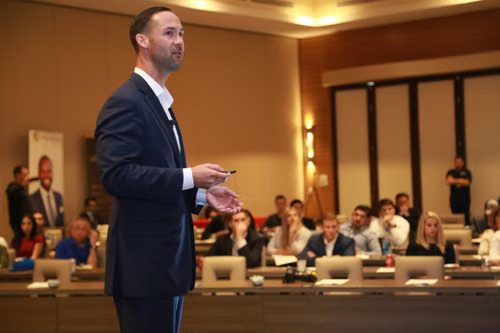
Source: https://images.pexels.com/photos/6703915/pexels-photo-6703915.jpeg
Most frontline staff have sat through at least one keynote that felt like it was written for someone else. The speaker talks about brand promise and boardroom numbers, while the people who answer phones and greet guests quietly wait for the coffee break. When you book a customer experience speaker for your next conference, that gap is the real risk to plan around. Your team gave up a shift, maybe a weekend, to sit in that room, and they'll quickly notice whether the message was meant for them.
The good news is that this risk is fairly easy to reduce. Planners who book a customer experience speaker with a clear goal, a defined audience, and enough lead time tend to get a session people still talk about months later. Here is how to approach it.
Start With Who Will Be Sitting in the Room
Before you look at a single speaker profile, picture the audience. Is it call center agents, retail associates, hotel front desk staff, or a mix of managers and new hires? Each group hears a customer experience message a little differently.
A speaker who does well with senior leaders might lean on strategy and brand story. Frontline teams usually want something closer to their actual day. They want to know what to say to an upset caller at 4:55 on a Friday, and why that moment matters more than it seems.
Write down a few details before you start your search:
- The roles and seniority levels in the audience
- The customer situations they face most often
- Any recent changes, such as a new system, merger, or policy
- What you want people to do the week after the event differently
That last point is perhaps the one planners skip most often. It also shapes every other decision.
Customer Experience Speaker Styles and the Outcomes Each One Creates
Speakers in this category do not all deliver the same kind of session. Some come from operations and walk through real service failures and how teams fixed them. Others are storytellers who use humor or personal stories to change how people feel about the work they already do.
Neither style wins every time. A team coming off a hard year may need energy and appreciation more than a new model. A team rolling out a new service approach probably needs practical language it can use on the floor the next morning. Mixing the two can work, although a talk that tries to cover everything sometimes ends up landing nothing.
Picture a regional bank planning its yearly meeting for branch staff. The committee first leans toward a well-known author on service culture. After watching a full session, they choose a former branch manager instead, mostly because her stories sound like a busy morning at their own counters. That kind of fit is hard to judge from a bio alone.
Questions to Ask Before You Book a Customer Experience Speaker
A shortlist only helps if you can compare the names on it fairly. These questions make that easier:
- Has the speaker worked with frontline audiences, or mostly with executives?
- Can you watch a recent video of a full session, not just a highlight reel?
- Will the speaker adjust stories and examples to fit your customers?
- Is there a pre-event call so the speaker can learn about your team?
- Does the talk end with something people can use on their next shift?
The video question deserves extra weight. A two-minute reel shows polish. A longer clip shows whether the speaker can hold a room of tired staff right after lunch, which is a very different skill.
Planning Your Timeline and Budget for a Customer Experience Keynote
Three to six months of lead time is typical for an in-person keynote. Popular dates, such as spring conference season or year-end meetings, tend to fill sooner. Shorter notice can still work, especially if a virtual keynote suits your format.
Fees vary widely based on the speaker’s profile, session length, and travel involved. Ask for current fees and talk titles in writing so you can compare proposals side by side. Also set aside room for travel and production needs, since those costs are easy to miss until the contract arrives.
Is the most famous name always worth the higher fee? Not always. A recognizable speaker can lift attendance, but a professional speaker who knows frontline work often delivers a steadier session for this kind of audience.
Next Steps to Book a Customer Experience Speaker With Confidence
Start with your audience notes and your goal for the week after the event. Then request a shortlist, compare full videos and written proposals, and confirm a pre-event call before you sign anything.
MCP Talent Agency advisors can suggest speakers based on your event description and budget, send proposals with fees and talk titles, and handle contracts and logistics once you decide. If you are weighing options for an upcoming conference, talking it through with an experienced booking advisor can make the choice simpler.
