

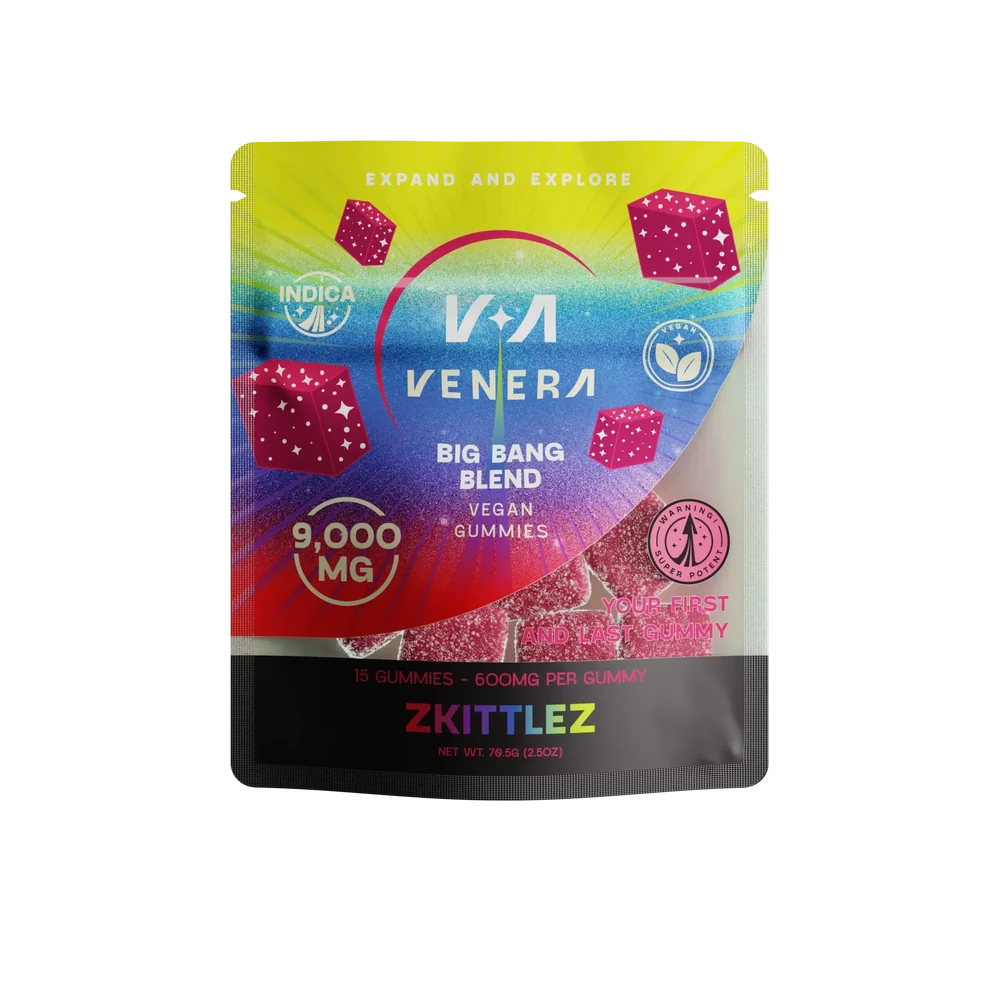
Proper storage is an important part of maintaining the quality, freshness, and safety of edible products. Whether an edible contains cannabinoids, botanical ingredients, or other active compounds, storing it correctly can help protect it from heat, moisture, light, contamination, and accidental access.
When choosing Venera edibles, paying attention to product quality, ingredients, and responsible use can help support a positive and informed experience.
Venera edibles should be stored according to the instructions provided on their packaging. When specific storage directions are unavailable, keeping the products in a cool, dry, dark, and secure location is generally a sensible approach. Good storage practices can also help prevent changes in texture, flavour, appearance, and potency over time.
Why Proper Storage Matters
Edible products can be affected by their surrounding environment. Temperature, humidity, light, and exposure to air may gradually change the characteristics of certain ingredients.
Protecting Product Quality
Heat can cause some edible products to soften, melt, or lose their intended texture. Chocolate-based products, gummies, and other heat-sensitive items can be particularly vulnerable to temperature changes.
Moisture can also affect texture and freshness. Excess humidity may cause certain products to become sticky, hard, or otherwise different from their original condition.
Maintaining Consistency
Proper storage helps reduce unnecessary environmental exposure. Keeping products in suitable conditions may help preserve their intended characteristics for longer.
However, storage cannot prevent products from eventually reaching their expiry date. Always check the packaging for the manufacturer’s recommended use-by or expiry information.
Preventing Accidental Access
Some edible products may contain active ingredients that should not be consumed by children or pets. Secure storage is therefore important in households where children, pets, or other people may accidentally access stored products.
Choose a Cool and Dry Storage Location
One of the simplest storage practices is choosing a location that is not exposed to excessive heat or humidity.
Avoid Direct Heat
Do not leave edibles near ovens, cooktops, heaters, radiators, or other heat-producing appliances. A hot environment can affect the physical condition of some products and may contribute to changes in their ingredients.
Avoid leaving them inside a vehicle for extended periods, particularly during hot weather. Temperatures inside parked vehicles can become considerably higher than the surrounding outdoor temperature.
Keep Products Away From Moisture
Bathrooms, areas near sinks, and other humid locations may not be suitable for long-term storage. Moisture can affect packaging and the product itself.
A dry cupboard or another appropriate storage area can help limit exposure to humidity.
Keep Edibles Away From Light
Light exposure can affect some ingredients over time. Direct sunlight and strong artificial light may contribute to degradation in certain products.
Use a Dark Storage Area
A closed cupboard, drawer, or other dark location can provide better protection than an open shelf exposed to sunlight.
If the original packaging is designed to protect the product from light, keep the edible in that packaging until it is ready to be used.
Avoid Window Sills
Window sills may seem convenient, but they can expose products to both sunlight and temperature fluctuations. A location away from windows is generally more appropriate for long-term storage.
Keep Products in Their Original Packaging
Whenever possible, store edibles in their original packaging. The packaging may contain important information about the product, including ingredients, serving information, storage instructions, batch details, and expiry dates.
Keep Labels Easy to Read
Avoid removing or covering labels. If a product is transferred to another container, important information may be lost.
Keeping the original packaging also makes it easier to identify the product and distinguish it from ordinary food items.
Close Packaging Properly
After opening an edible product, reseal the packaging securely. Limiting exposure to air can help protect freshness and reduce contamination risks.
If the original package has a resealable closure, make sure it is completely closed after each use.
Store Edibles Separately From Ordinary Food
Keeping edible products separate from everyday snacks can reduce the chance of accidental consumption.
Use a Dedicated Storage Area
A designated storage location can make it easier to identify products and maintain an organised household.
This is particularly useful when multiple types of food, supplements, or edible products are stored in the same area.
Avoid Unlabelled Containers
Do not place edibles into containers that could be mistaken for ordinary sweets, snacks, or other foods. Unlabelled containers can create unnecessary confusion.
If an alternative container is necessary, it should be clearly labelled and suitable for food storage.
Keep Edibles Away From Children and Pets
Secure storage is especially important for products containing active ingredients.
Choose an Inaccessible Location
Store products somewhere children and pets cannot easily reach. A high, secure cupboard or another controlled storage area may be appropriate depending on the household.
Do not rely solely on a child being unable to recognise the product. Some edibles can look similar to familiar foods.
Consider Household Visitors
Visitors may not know which products are edible products containing active ingredients. Keeping them securely stored reduces the possibility of accidental access.
Pay Attention to Temperature Changes
Some edible products may be sensitive to fluctuations between hot and cold conditions.
Avoid Frequent Temperature Changes
Moving a product repeatedly between warm and cold environments may affect its texture and appearance. Try to keep products in a stable storage environment.
Follow Specific Packaging Instructions
If the packaging provides a specific temperature range or refrigeration instruction, follow those directions rather than relying on general storage practices.
Refrigeration is not automatically necessary for every edible product. Some products may be negatively affected by excessive cold or condensation, so the product-specific instructions should take priority.
Check Edibles Before Use
Storage practices can help preserve a product, but consumers should still inspect edibles before consuming them.
Check the Expiry Date
Always check the expiry or use-by date. Do not assume that a product remains suitable simply because it has been stored correctly.
Look for Changes
Pay attention to unusual changes in appearance, smell, texture, or packaging. Significant changes may indicate that a product has not been stored appropriately or has deteriorated.
When in doubt, avoid consuming the product and follow the disposal guidance provided on the packaging.
How to Handle Opened Edibles
Once an edible has been opened, storage becomes particularly important because the product may have greater exposure to air, moisture, and contaminants.
Reseal After Every Use
Close the packaging immediately after taking the required portion. Do not leave products exposed on counters or tables.
Use Clean Hands
Handle edible products with clean hands to reduce the introduction of dirt or other contaminants.
Avoid touching multiple portions unnecessarily, especially if the product will be stored again afterward.
Travelling With Edibles
Storage considerations also apply when transporting edible products.
Keep products in their original, clearly labelled packaging and protect them from excessive heat, moisture, and direct sunlight. Avoid leaving them in a hot vehicle or exposed to prolonged temperature fluctuations.
Before travelling, also check the laws and regulations that apply to the product and destination. Rules concerning edible products can vary between locations.
What to Do With Improperly Stored Products
If an edible has been exposed to extreme heat, excessive moisture, damaged packaging, or another unsuitable condition, inspect it carefully before making any decision about use.
Do not consume a product if its packaging is damaged in a way that could compromise its contents, if it appears contaminated, or if it has passed its expiry date.
When a product’s condition is uncertain, the safer approach is to avoid consuming it and dispose of it appropriately.
Final Thoughts
Storing Venera edibles properly can help protect product quality and reduce the risk of accidental access. A cool, dry, dark, and secure storage location is generally suitable when the packaging does not provide different instructions.
Keep products in their original packaging, protect them from heat and moisture, avoid direct sunlight, and make sure they remain inaccessible to children and pets. Always follow the specific storage directions, expiry information, and safety instructions provided with the product.
Good storage habits are simple but important. Taking a few precautions after purchasing and opening an edible can help maintain its condition and support safer handling throughout its intended storage period.
