

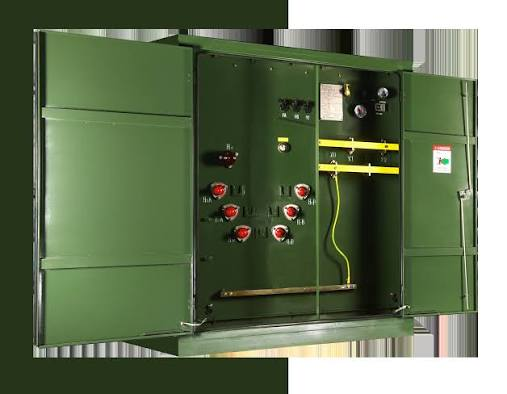
Modern electrical networks require reliable equipment capable of handling demanding power distribution needs across commercial, industrial, and utility environments. As energy requirements continue to grow, businesses and infrastructure projects need transformer solutions that provide dependable performance, enhanced safety, and long operational life. A heavy duty 3 phase pad mount transformer is designed to meet these requirements by delivering efficient voltage transformation while supporting reliable underground electrical distribution systems.
Unlike traditional above-ground transformer installations, pad mount transformers are enclosed units designed for secure placement on concrete pads. Their compact structure, durable construction, and efficient operation make them suitable for locations where safety, space management, and consistent power delivery are essential.
Choosing the right transformer is not only about meeting current electrical demand but also about creating a dependable power infrastructure that can support future growth.
Understanding a 3 Phase Pad Mount Transformer
A 3 phase pad mount transformer is an electrical device used to convert voltage levels within a three-phase power distribution system. It receives electrical energy at one voltage level and transforms it into another voltage level suitable for commercial facilities, industrial equipment, and other electrical loads.
The transformer is installed on a concrete mounting pad and enclosed within a secure cabinet. This design helps protect internal components while providing a safer alternative for areas where exposed electrical equipment may not be suitable.
Three-phase transformers are widely used because they provide efficient power distribution for larger electrical systems compared with single-phase solutions.
Importance of Heavy Duty Transformer Design
Electrical equipment in industrial and commercial environments often operates under continuous and demanding conditions. A heavy duty transformer is engineered to withstand these challenges while maintaining stable performance.
Strong transformer construction helps support:
- Continuous electrical operation
- Improved load handling capability
- Reduced operational interruptions
- Enhanced equipment protection
- Long service life
- Reliable power distribution
A well-designed transformer becomes a critical component in maintaining productivity and minimizing electrical system disruptions.
Key Features of Heavy Duty 3 Phase Pad Mount Transformers
High-performance transformers include several design features that contribute to efficiency, safety, and durability.
Robust Enclosure Protection
Pad mount transformers feature enclosed cabinets that protect internal electrical components from environmental exposure.
The enclosure helps safeguard the transformer against:
- Dust accumulation
- Moisture exposure
- Accidental contact
- Weather conditions
- External physical impact
This makes them suitable for outdoor installations where long-term reliability is required.
Efficient Voltage Transformation
Efficiency is one of the most important considerations when selecting a transformer.
An efficient transformer minimizes energy losses during operation, helping organizations reduce unnecessary power consumption while maintaining dependable electrical performance.
Improved efficiency contributes to:
- Lower operating expenses
- Reduced heat generation
- Better energy utilization
- Enhanced system reliability
Space-Saving Installation
Many commercial and industrial facilities require electrical solutions that maximize available space.
Pad mount transformers provide an organized installation approach by placing equipment securely at ground level while reducing the need for large indoor electrical rooms.
Their compact design makes them suitable for:
- Commercial developments
- Industrial sites
- Residential complexes
- Infrastructure projects
- Distribution networks
Applications of 3 Phase Pad Mount Transformers
The versatility of these transformers allows them to support various industries and electrical applications.
Industrial Facilities
Manufacturing plants and industrial operations depend on consistent electrical supply for machinery, automation systems, and production equipment.
A heavy duty transformer provides stable voltage conversion to support demanding industrial environments.
Reliable power distribution helps reduce equipment interruptions and maintain production efficiency.
Commercial Buildings
Large commercial properties require dependable electrical systems for lighting, HVAC systems, elevators, security equipment, and technology infrastructure.
Pad mount transformers support efficient power distribution while maintaining a safe installation environment.
Infrastructure Projects
Transportation facilities, utility developments, and large-scale construction projects often require durable electrical equipment capable of supporting significant power requirements.
Three-phase pad mount transformers provide reliable solutions for these complex applications.
Renewable Energy Systems
Modern energy projects frequently require efficient power conversion and distribution.
Pad mount transformers support renewable energy installations by helping transfer generated power into appropriate electrical networks.
Advantages of Using a High-Efficiency Transformer
Selecting an efficient transformer provides several long-term benefits beyond basic voltage conversion.
Reduced Energy Losses
Transformers operate continuously in many applications, meaning even small efficiency improvements can create significant energy savings over time.
Reduced losses help improve overall system performance and contribute to more sustainable operations.
Improved Equipment Performance
Stable voltage delivery allows connected electrical equipment to operate more effectively.
Consistent power quality can help protect sensitive systems and reduce stress on electrical components.
Lower Maintenance Requirements
Durable transformer designs require less frequent servicing when properly installed and maintained.
Reduced maintenance needs can help businesses minimize operational interruptions and associated costs.
Extended Operational Life
Quality construction, efficient cooling systems, and reliable internal components contribute to longer transformer service life.
A long-lasting transformer provides better value by reducing the need for frequent replacement.
Factors to Consider Before Selecting a Pad Mount Transformer
Choosing the correct transformer requires careful evaluation of electrical and operational requirements.
Power Capacity Requirements
Understanding current and future electrical demand is essential.
Factors to evaluate include:
- Connected load requirements
- Peak power consumption
- Expansion plans
- Operating conditions
Selecting the appropriate capacity prevents overloading and supports reliable performance.
Voltage Specifications
Correct voltage matching is critical for safe transformer operation.
Before installation, engineers should verify input and output voltage requirements to ensure compatibility with the existing electrical system.
Environmental Conditions
Installation environments can affect transformer performance.
Important considerations include:
- Outdoor exposure
- Temperature variations
- Available installation space
- Accessibility for maintenance
- Ground conditions
Proper planning helps maximize equipment reliability.
Safety Requirements
Electrical safety should always be a priority when installing high-capacity equipment.
Proper installation practices, protective devices, and routine inspections help maintain safe operation.
Maintenance Practices for Long-Term Reliability
Although heavy duty pad mount transformers are designed for durability, regular maintenance improves performance and extends service life.
Routine Visual Checks
Regular inspections help identify potential concerns such as:
- Physical damage
- Corrosion
- Oil leakage in applicable designs
- Loose connections
- Signs of overheating
Early detection allows corrective action before serious issues develop.
Temperature Monitoring
Excessive heat can affect transformer performance.
Monitoring operating temperatures helps ensure the transformer remains within recommended operating conditions.
Electrical Testing
Periodic testing helps verify transformer condition and confirms that internal components continue to perform effectively.
Professional inspections can identify developing problems and support preventive maintenance strategies.
Improving Energy Efficiency in Power Distribution
Energy efficiency has become increasingly important for businesses looking to optimize operating costs and improve sustainability.
A high-efficiency three-phase pad mount transformer contributes to better energy management by reducing wasted power during voltage conversion.
Additional efficiency improvements can be achieved through:
- Proper transformer sizing
- Balanced electrical loads
- Regular maintenance
- Effective system monitoring
- Correct installation practices
Together, these measures create a more reliable and efficient electrical network.
Why Heavy Duty Transformers Are a Long-Term Investment
Electrical infrastructure represents a major investment for any organization. Selecting durable equipment ensures that power systems remain dependable throughout years of operation.
A heavy duty 3 phase pad mount transformer offers long-term benefits through:
- Reliable performance
- Efficient energy conversion
- Strong environmental protection
- Reduced maintenance requirements
- Improved electrical safety
- Consistent power delivery
Investing in quality electrical equipment helps businesses build stronger and more resilient operations.
Conclusion
A heavy duty 3 phase pad mount transformer with excellent efficiency provides a dependable solution for modern power distribution requirements. Designed for durability, safety, and reliable voltage transformation, these transformers support a wide range of commercial, industrial, and infrastructure applications.
By focusing on efficient operation, robust construction, proper installation, and regular maintenance, organizations can achieve reliable electrical performance while improving long-term cost efficiency. Selecting the right transformer is an important step toward creating a stable power system capable of supporting current demands and future expansion.
