

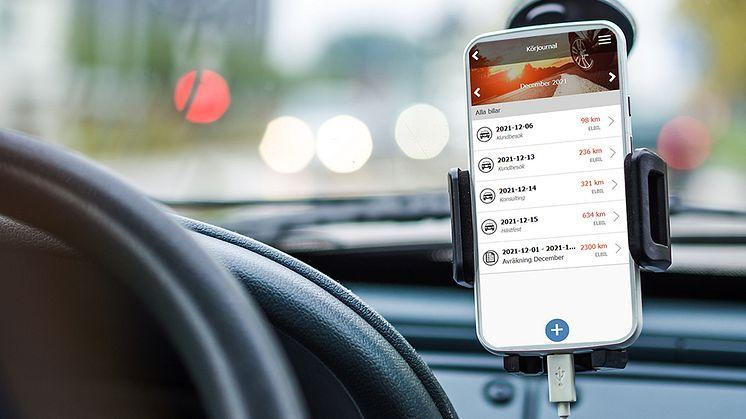
Tracking mileage manually can quickly become a time-consuming task, especially for people who regularly drive for business. Remembering every trip, calculating distances, separating personal and business journeys, and maintaining accurate records can be difficult when everything is written down manually.
An Auto Mileage Tracker App offers a simpler approach by using smartphone technology and GPS to automatically record driving activity. Instead of relying entirely on memory or spreadsheets, drivers can use digital tracking to organize their mileage records and reduce repetitive administrative work.
In this guide, we’ll explain what an automatic mileage tracker is, how it works, its key features, and the benefits it can provide for business drivers and independent professionals.
What Is an Auto Mileage Tracker App?
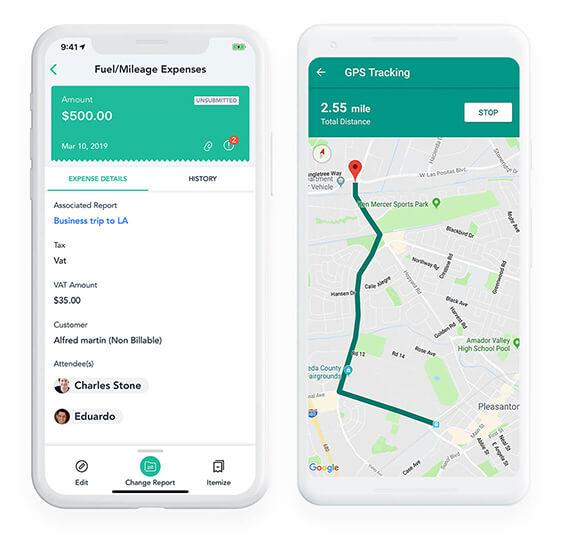
An Auto Mileage Tracker App is a mobile application designed to automatically record vehicle trips and calculate the distance traveled. Most solutions use GPS technology to detect driving activity and create digital mileage records.
Depending on the application, users may be able to record details such as:
- Trip date and time
- Starting and ending locations
- Distance traveled
- Business or personal classification
- Trip purpose
- Mileage totals
- Vehicle-related expenses
The main purpose is to reduce the amount of manual work required to maintain a mileage log.
For someone who drives frequently for work, automatic tracking can make it easier to maintain consistent records throughout the year.
How Does an Auto Mileage Tracker App Work?
Automatic mileage tracking generally relies on GPS and smartphone sensors to identify driving activity.
After installing the application and granting the necessary permissions, the app can monitor driving activity in the background. When it detects a trip, it can record the route and calculate the approximate distance traveled.
A typical process looks like this:
- Install a mileage tracking application.
- Enable the required location and tracking permissions.
- Begin a business or personal journey.
- Allow the application to detect and record the trip.
- Review the recorded distance and route.
- Classify the trip as business or personal.
- Add notes or a business purpose when necessary.
- Review your mileage records regularly.
The exact tracking method varies between applications, so users should check how an individual solution handles GPS, battery usage, privacy, and background activity.
Key Features of an Automatic Mileage Tracker
Different mileage tracking solutions offer different features. However, several capabilities are particularly useful for business drivers.
1. Automatic GPS Tracking
Automatic GPS tracking is one of the main features of a mileage tracker. Instead of manually entering the distance after every journey, GPS can help record the route and calculate mileage.
This can be especially helpful for people who make multiple business trips throughout the day.
2. Business and Personal Trip Classification
Many drivers use the same vehicle for work and personal activities. Keeping these journeys separate is important for organized recordkeeping.
An automatic tracker can provide options to classify trips as business or personal, helping users maintain a clearer mileage history.
3. Mileage Reports
Digital mileage reports can make it easier to review your driving history. Depending on the application, reports may include trip dates, distances, destinations, and classifications.
These records can be useful for bookkeeping, reimbursement, budgeting, and applicable tax-related documentation.
4. Expense Tracking
Mileage is only one part of vehicle-related business costs. Some solutions also allow users to record expenses such as fuel, parking, tolls, or maintenance.
Combining mileage and expense information can provide a more complete picture of business travel costs.
5. Trip Notes
Adding notes to individual journeys can help explain why a trip was made. For example, you may record that you visited a client, attended a business meeting, or traveled to a work location.
Keeping this information organized can be useful when reviewing records later.
6. Data Export
Exporting mileage information can be valuable if you need to share records with an accountant or move data into another financial system.
Common export options may include spreadsheets, digital reports, or other structured formats.
Benefits of Using an Auto Mileage Tracker App
Automatic mileage tracking can provide several benefits for people who drive regularly for business.
Saves Time
Manually recording every trip can take several minutes each day. Over weeks and months, that time adds up.
Automatic tracking reduces repetitive data entry and allows drivers to focus more on their work.
Reduces Reliance on Memory
It can be difficult to remember every business trip, particularly when you make several stops during the day.
Automatic recording can help capture trips closer to when they actually happen, reducing the risk of forgetting important mileage information.
Improves Record Organization
Paper notes and spreadsheets can become difficult to manage as the number of trips increases.
A digital mileage system can keep trip information in one place, making it easier to review and organize.
Makes Business Mileage Easier to Monitor
Regularly reviewing mileage can help business owners and independent professionals understand how much they drive for work.
This information can also help with budgeting and evaluating travel-related business costs.
Supports Tax and Reimbursement Records
Business mileage may be relevant to tax deductions or employee reimbursement, depending on local rules and individual circumstances.
An organized mileage history can make it easier to prepare the information needed for applicable claims or reimbursement requests.
However, an app’s mileage calculation or deduction estimate should not be treated as professional tax advice. Always follow the current rules that apply to your location and situation.
Who Can Benefit From Automatic Mileage Tracking?
An automatic mileage tracker can be useful for anyone who frequently drives as part of their work.
Common users include:
- Freelancers
- Independent contractors
- Sales professionals
- Real estate agents
- Consultants
- Delivery drivers
- Field service workers
- Small business owners
- Employees who travel for work
The more frequently someone drives for business, the more valuable automatic recordkeeping can become.
Auto Mileage Tracker App vs. Manual Mileage Logs
Manual mileage logs require users to record each journey themselves. This may involve writing down the date, starting location, destination, purpose, and distance.
While this method can work, it depends heavily on consistency and memory.
An automatic mileage tracker uses technology to reduce much of this manual work. GPS can record trips while digital tools can help categorize and organize the information.
However, automatic tracking is not completely hands-off. Users should still review their records regularly, correct inaccurate trips, and make sure business and personal journeys are properly classified.
What to Consider Before Choosing an App
Before using an automatic mileage tracking solution, consider the following factors:
Accuracy
Check how the application calculates mileage and handles changes in routes, stops, and locations.
Battery Usage
GPS and background tracking can affect smartphone battery life. Look for an option that manages tracking efficiently.
Privacy
Location data can be sensitive. Review privacy policies, data storage practices, permissions, and account controls before enabling automatic tracking.
Reporting
Choose a solution that provides reports in a format that works for your recordkeeping needs.
Expense Features
If you want to track fuel, parking, tolls, or other costs, consider whether expense tracking is included.
Ease of Use
A mileage tracker should make recordkeeping easier rather than creating additional administrative work. Look for a simple interface and convenient trip classification.
Tips for Getting Better Mileage Records
Even with automatic tracking, good recordkeeping requires regular attention.
Review your trips weekly to make sure they were recorded correctly. Classify business and personal journeys promptly, and add trip purposes while the information is still fresh.
It is also a good idea to periodically export or back up important mileage records if the application supports those options.
Most importantly, don’t wait until the end of the year to organize your mileage. Regular reviews can help you identify missing or incorrect information before it becomes difficult to fix.
Final Thoughts
An Auto Mileage Tracker App can simplify mileage management by automatically recording trips, calculating distances, and organizing business driving information.
Instead of relying entirely on paper logs, memory, or spreadsheets, drivers can use GPS-based technology to create more consistent digital mileage records. Features such as automatic tracking, trip classification, mileage reports, expense management, and data export can make business recordkeeping more efficient.
Whether you are a freelancer, small business owner, field professional, or frequent business traveler, automatic mileage tracking can reduce administrative work and help you maintain better records.
Before choosing a solution, consider its accuracy, privacy controls, battery usage, reporting features, and compatibility with your workflow. The right approach can turn mileage tracking from a tedious daily task into a much simpler part of managing your business.
