

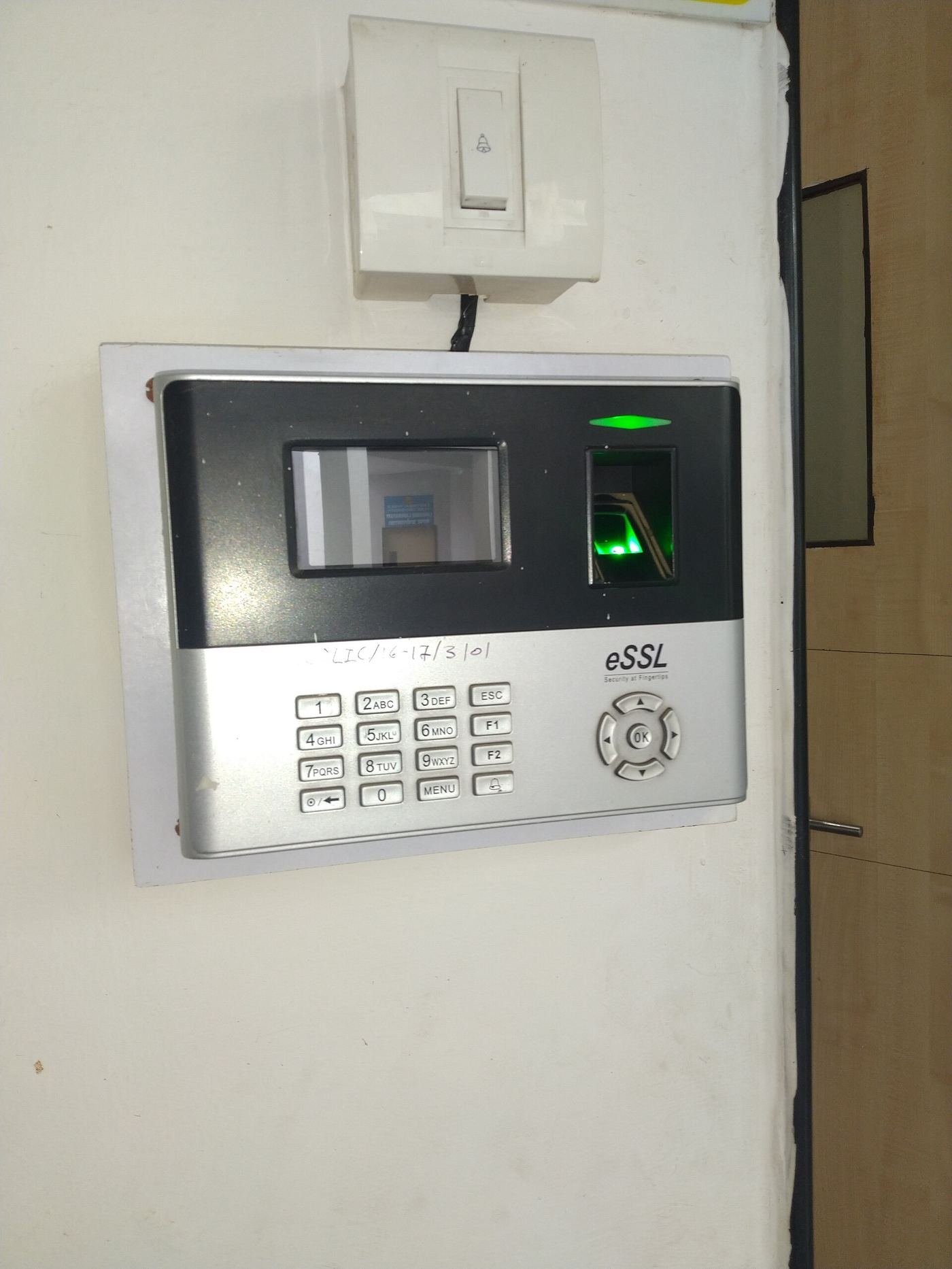
Modern office buildings are quietly retiring the metal key, replacing it with fingerprint locks that open doors with a single touch. Staff no longer hunt for a lost key or wait for a replacement when someone leaves, since access can be granted or removed in seconds from a computer. The scanners read the unique pattern of a fingertip, making it far harder for an intruder to copy a key or slip in behind a borrowed pass. Building managers like the audit trail too, because the system records who entered which room and when, helping settle questions about after-hours access. The locks also fit doors that once needed several keys, from the front entrance to the server room, with each employee given access only to the areas their job requires. Installation has become simpler, with many systems fitting standard doors without major rewiring. For businesses that have suffered from lost keys and copied passes, the fingerprint lock feels like a long-overdue upgrade.
What the Evidence Shows
Adopting fingerprint locks raises practical questions that managers should answer before buying. Privacy comes first, since staff will want to know how their fingerprint data is stored, who can see it and what happens to it when they leave. Most systems store a mathematical template rather than an image of the print. Reliability matters too, as scanners must cope with wet hands, cold weather and worn fingertips, so a backup code or card is a sensible safety net. Costs vary, with the hardware itself modest but installation and software licences adding up across a large building. Training is brief, usually a minute per employee to register a finger, yet a clear policy on who holds master access prevents confusion later. When these details are handled openly, staff tend to welcome the change, enjoying a workplace where the door simply opens and the key ring stays in the drawer. Reporting and analysis from sources such as Wired track the same developments, and specialists following fingerprint office locks say the direction is now consistent across independent lines of evidence.
The Wider Context
The wider context is an industry learning to ship capability and restraint together. Products built around fingerprint office locks now launch with safety evaluations, usage data and rollback plans as standard, because enterprise buyers and regulators ask for them in the first meeting. Companies that treated those questions as friction are discovering they have become the purchase criteria.
What Happens Next
What happens next for fingerprint office locks depends less on another breakthrough than on the unglamorous work of reliability, pricing and support. The buyers evaluating it now are not enthusiasts; they are operators with budgets and auditors, and their checklists will decide the timeline. On the evidence of the current pilots, the technology has earned the right to be judged by them. You can follow related developments in our coverage of technology.
None of this will be settled by a single announcement, study or product launch. The pattern to watch is accumulation: independent confirmations, honest reporting of failures and steady improvement in the underlying numbers. Readers who follow those signals, rather than the loudest claim of the week, will understand this subject better than most of the commentary surrounding it suggests is possible.
